


210-530-0062
How Long Does Asphalt Last? Lifespan of Driveways, Roads, and Parking Lots
August 3, 2026
If you are asking how long does asphalt last, the honest answer is: it depends. The lifespan of asphalt can vary depending on where it is installed, how well it was built, what kind of traffic it handles, and whether it gets the maintenance it needs over time. In many cases, an asphalt driveway can last 15 to 25 years, while a commercial parking lot or road may last 10 to 20 years before major repairs or replacement become necessary.
That range may sound broad, but asphalt is a lot like a roof. Two surfaces can be built the same year and still age very differently. One gets proper care, drainage, and timely repairs. The other sits under standing water, bakes in the sun, and takes daily abuse from delivery trucks. The result is a huge gap in longevity and long term performance.
For property owners in San Antonio and across South Texas, climate matters too. We may not deal with the same harsh winters seen farther north, but heat, UV exposure, sudden rain, and shifting soil all affect asphalt pavement. Whether you are managing a retail center, industrial yard, HOA road, or new asphalt driveway, understanding what affects the life expectancy of your pavement helps you protect your asphalt investment.
How Long Does Asphalt Last on Average?
The average lifespan of asphalt depends on the type of project. A residential driveway with light vehicles and consistent asphalt maintenance may last 20 years or more. A busy commercial parking lot with heavy vehicle traffic may need resurfacing much sooner, especially if drainage or base issues were present from the beginning.
In general, here is what owners can expect:
- Asphalt driveway: around 15 to 25 years
- Commercial parking lot: around 10 to 20 years
- Private roads and access roads: around 15 to 25 years
- High-traffic roadways: often 10 to 15 years before more extensive repairs or resurfacing are needed
Those numbers are not guarantees. They are starting points. The real lifespan comes down to several factors, including installation quality, drainage, climate, maintenance, and load demands. A well-built surface with a stable base can hold up for years. A rushed job with poor compaction can start showing cracks and rutting far too early.
What Affects the Lifespan of Asphalt?
The biggest mistake property owners make is thinking asphalt fails only because it gets old. Age matters, but failure usually comes from a chain reaction. Water gets into small cracks. Heat softens the surface. Repeated traffic adds pressure. Before long, minor wear becomes potholes, edge breakdown, and expensive structural problems.
The key factors that affect the lifespan of asphalt include proper installation, the strength of the base, drainage design, weather exposure, and ongoing upkeep. If you want asphalt to extend past the low end of its expected life, those basics matter more than any shortcut product or quick fix.
Proper Installation Sets the Foundation
Nothing influences asphalt life more than installation. A good-looking new pavement can still fail early if the subgrade is weak, the mix is poorly compacted, or the thickness does not match the use of the site. That is why proper installation is not just a selling point. It is the first step in protecting your pavement.
A reputable paving company will evaluate drainage, base preparation, intended use, and site conditions before the first truck arrives. That level of planning affects installation quality, and installation quality directly affects whether your asphalt driveway or parking lot lasts 10 years or 20. When the base is wrong, the top layer is just a black lid over a future problem.
Traffic Load and Weight Matter
Not all pavement sees the same kind of use. A residential driveway with two family cars ages differently than a commercial lot with garbage trucks, delivery vans, and employee parking all day long. The weight of the vehicles using the surface has a major effect on wear, rutting, and cracking.
This is especially true when heavy vehicle traffic is concentrated in the same lanes or loading areas. Repeated stress in one place can shorten the life expectancy of the pavement, even if the rest of the lot looks fine. That is why roadways, industrial yards, and commercial entrances often need thicker sections, stronger base support, and a more deliberate plan for maintenance.
Climate and Weather Conditions Play a Big Role
Climate is one of the most overlooked factors in asphalt aging. In colder regions, freeze thaw cycles, freeze thaw stress, and repeated thaw cycles can force water deeper into the pavement structure. When trapped moisture freezes, it expands and widens cracks, leading to potholes and base damage. In areas with snow and ice, ice removal methods can also increase surface wear.
In South Texas, the challenge looks different. We see intense sun, long hot stretches, and sudden downpours. UV rays dry out the binder in asphalt, making the surface more brittle over time. Water that does not drain properly can still cause water damage, even without constant freeze thaw cycles. So while we are not battling months of snow, our weather conditions still demand smart design and consistent maintenance.
How Long Does an Asphalt Driveway Last?
A typical asphalt driveway lasts 15 to 25 years, but that number can move up or down based on care and construction. A well-installed new driveway with light use and routine seal coating can stay in service for decades. A neglected asphalt driveway with poor drainage may start showing serious distress much sooner.
For homeowners and property managers, the most common early warning signs are cracks, fading, drainage issues, and low spots where water sits after rain. If your driveway is beginning to ravel or break along the edges, that does not always mean full replacement is required. In many cases, crack filling, patching, or an asphalt overlay can restore function and buy more life.
New Asphalt Driveway vs Older Driveway Performance
new asphalt driveway usually needs a little patience at the beginning. Fresh asphalt paving continues to cure after installation, and the surface can be more vulnerable to scuffing or impressions in the early stage. That is one reason quality contractors give guidance on when to drive on it, where to avoid sharp turning, and how to protect the edges.
An older driveway, by contrast, tells its story out in the open. You can usually spot whether the issue is cosmetic wear or structural failure. Surface oxidation, minor cracks, and faded color often respond well to asphalt maintenance. But if the driveway has widespread potholes, deep alligator cracking, or drainage failure, replacement may be more cost-effective than repeated patching.
How Long Do Asphalt Parking Lots and Roads Last?
A commercial parking lot or roadway often has a shorter service life than a residential driveway because the demands are tougher. More traffic, more turning movements, more oil drips, more braking, and more point-load stress all accelerate deterioration. A busy retail parking lot may need resurfacing well before the underlying base completely fails.
Roads also face continuous pressure from moving loads, weather, and drainage demands. If water is not directed away properly through grading and catch basins, the pavement can weaken from below. That is why the lifespan of asphalt in commercial settings is closely tied to inspection, drainage correction, and timely resurfacing before deep structural damage sets in.
Parking Lot Conditions That Shorten Asphalt Life
A commercial parking lot tends to age fastest in high-stress areas. Entrances, dumpster pads, delivery lanes, and turning zones usually show damage first. These sections carry more traffic and more concentrated weight, which means more rutting, cracking, and eventual potholes.
Drainage is another common issue. If your lot has standing water, clogged catch basins, or poor slope, the surface may look fine one month and start breaking apart the next. Water is patient. It finds every weakness. Once it gets below the top layer, deterioration speeds up and major repairs become much more likely.
Asphalt Maintenance That Extends Pavement Life
The best way to extend the lifespan of asphalt is with regular maintenance. That means addressing small issues before they turn into large ones. A few cracks today are manageable. A network of open cracks next season can let in enough moisture to damage the base and trigger much more expensive repairs.
Good asphalt maintenance is not flashy, but it works. Sweeping off debris, dirt, and sand, managing drainage, fixing isolated damage, and scheduling seal coating at the right intervals all protect your asphalt investment. Think of it as preventive care. It is cheaper to maintain a healthy pavement than to rebuild a failing one.
Crack Filling, Seal Coating, and Timely Repairs
Crack filling is one of the simplest ways to preserve asphalt pavement. When cracks are sealed early, water has fewer pathways into the structure below. That slows deterioration and helps preserve the overall durability of the surface. Waiting too long, on the other hand, often turns a simple maintenance item into patching or replacement.
Sealcoating helps shield the surface from uv rays, oxidation, and spills from oil or chemicals. It also improves appearance, which matters for commercial properties trying to maintain curb appeal. Combined with timely repairs, crack filling, and periodic inspections, seal coating can improve longevity and support better long term performance.
Resurfacing and Asphalt Overlay Options
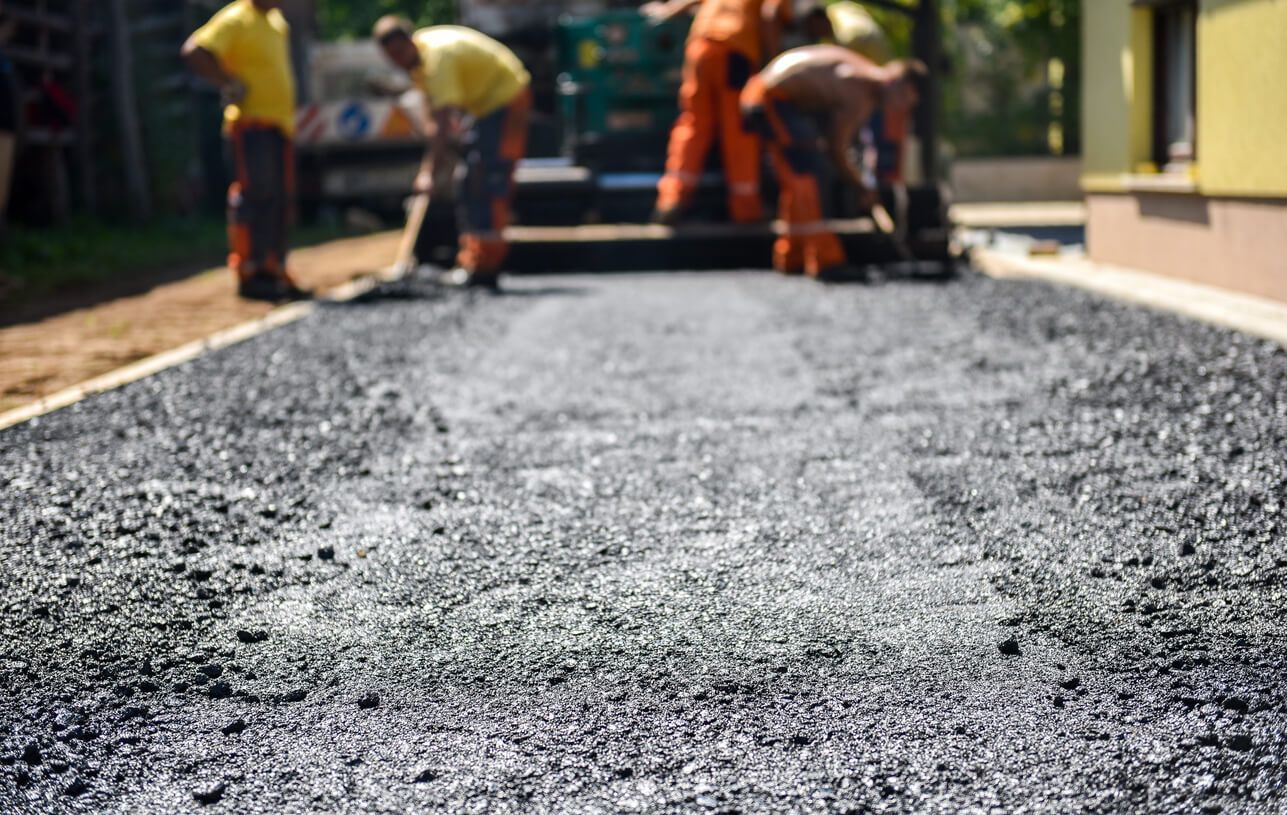
When the base is still sound but the top layer is worn, resurfacing may be the right move. An asphalt overlay adds a new layer over existing pavement, restoring ride quality and appearance without the cost of total reconstruction. This can be a smart option for a parking lot, road, or driveway with surface wear but no major foundation failure.
The key is timing. Timely resurfacing can add years to the life of your pavement. Wait too long, and the damage may spread below the surface, making full replacement the only realistic option. That is why regular evaluations matter. A lot of owners miss the window where an overlay is possible and affordable.
Signs Your Asphalt May Need Repair or Replacement
Asphalt rarely fails overnight. It usually sends warnings first. The most common signs include widening cracks, recurring potholes, rough texture, fading, drainage issues, and low spots where water lingers. If your surface looks uneven or continues breaking down after repeated patching, the problem may run deeper than the top layer.
Other red flags include crumbling edges, loose aggregate, and areas where the pavement flexes under vehicles. These signs matter because they help determine whether you need basic repairs, an overlay, or full reconstruction. Not every damaged driveway needs to be torn out, but not every failing lot can be saved with patchwork either.
When Full Replacement Makes More Sense
There comes a point when replacement is more practical than chasing repairs. If the base has failed, if drainage problems are severe, or if the surface has widespread structural cracking, full replacement often gives better value than repeated temporary fixes. This is especially true when the same potholes keep returning or when the pavement has sunk in multiple areas.
A good contractor will not push replacement unless the site truly needs it. Sometimes targeted repairs and a realistic maintenance plan are enough. But in other specific circumstances, trying to save badly failed pavement is like painting over rotten wood. It may look better for a moment, but the underlying issue is still there.
How to Get the Most Life From Your Asphalt Investment
If you want the best possible longevity, start with quality work. Hire a contractor who understands grading, compaction, drainage, and site-specific design. The cheapest bid often becomes the most expensive pavement. Good installation costs money up front, but poor installation costs more every year afterward.
Then follow through with regular maintenance, drainage checks, and prompt attention to damage. Keep the surface clean of debris, watch for standing water, and address crack filling before the rainy season turns minor openings into deep structural issues. Asphalt can be a highly durable and cost-effective material, but like any hard-working surface, it performs best when it is looked after.
Asphalt Lifespan in South Texas: What Property Owners Should Know
In San Antonio and surrounding South Texas communities, asphalt does not usually battle months of snow or constant ice, but it still faces serious environmental pressure. Heat can soften the binder, heavy rain can expose drainage problems, and long-term sun exposure can dry the surface out. That combination affects the lifespan of asphalt in ways many owners underestimate.
Local conditions also mean every site is a little different. A shaded driveway in a low-traffic area will age differently than a commercial lot near a major roadway. Soil movement, drainage design, and use patterns all matter. That is why the answer to how long does asphalt last always comes back to the same idea: the lifespan of asphalt depends on the details.
Final Thoughts on Asphalt Longevity
So, how long does asphalt last? In most cases, anywhere from 15 to 25 years is realistic for a well-built driveway, road, or parking lot, though some surfaces need earlier resurfacing and others last longer with excellent care. The real difference comes from proper installation, drainage, climate awareness, and smart maintenance over time.
If you want to protect your asphalt investment, do not wait for major failure. Address cracks, schedule seal coating, and get expert guidance when the first signs of wear show up. For property owners in San Antonio and across South Texas, working with an experienced team can make the difference between short-term patching and pavement built to last.
At Pro-Line Paving, we provide turnkey commercial asphalt paving, repair, milling, overlays, and maintenance solutions backed by decades of experience. If your driveway, road, or parking lot is showing wear, contact our team for an evaluation and a plan that fits your property, your budget, and your long-term goals.

HOA paving shouldn't mean budget surprises. Learn how to build a long-term asphalt plan covering maintenance, sealcoating, and repairs.
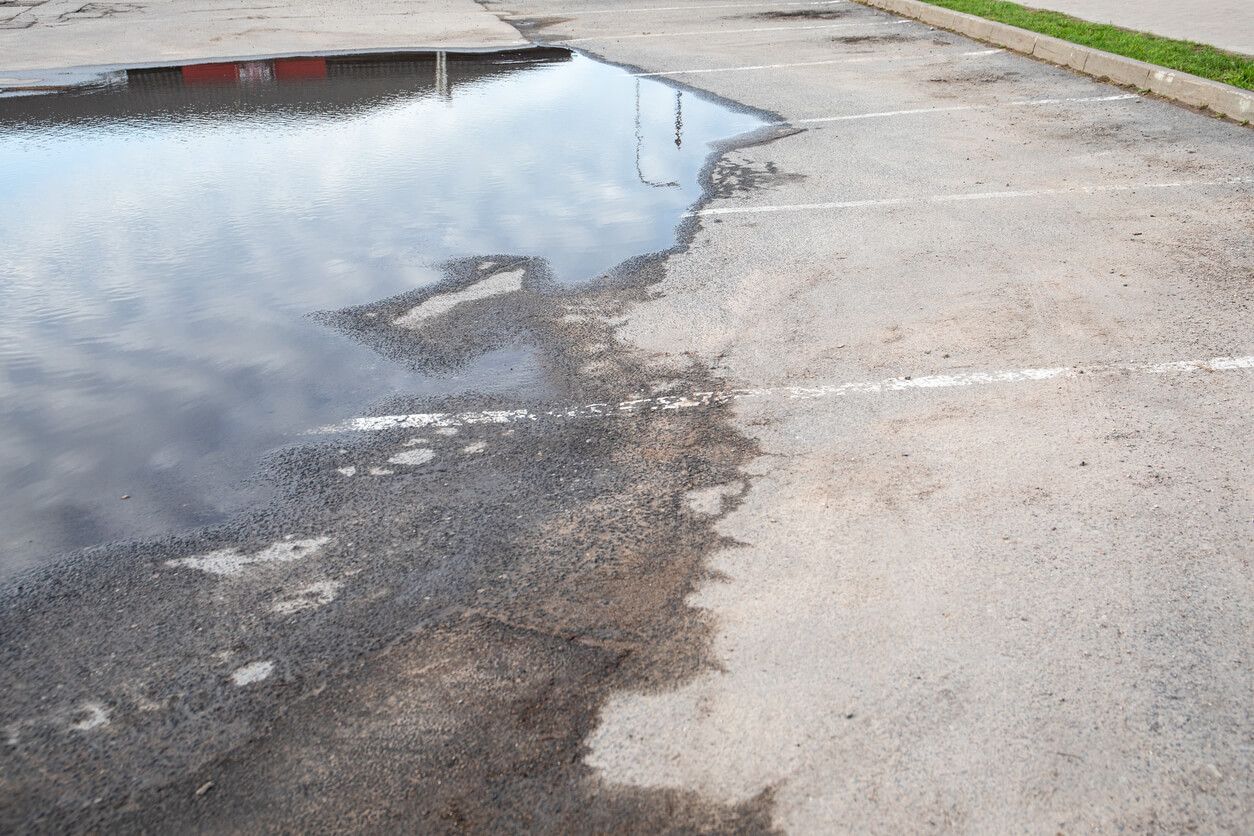
Learn why parking lot drainage problems happen, how water buildup affects asphalt, and which warning signs may point to larger site issues.
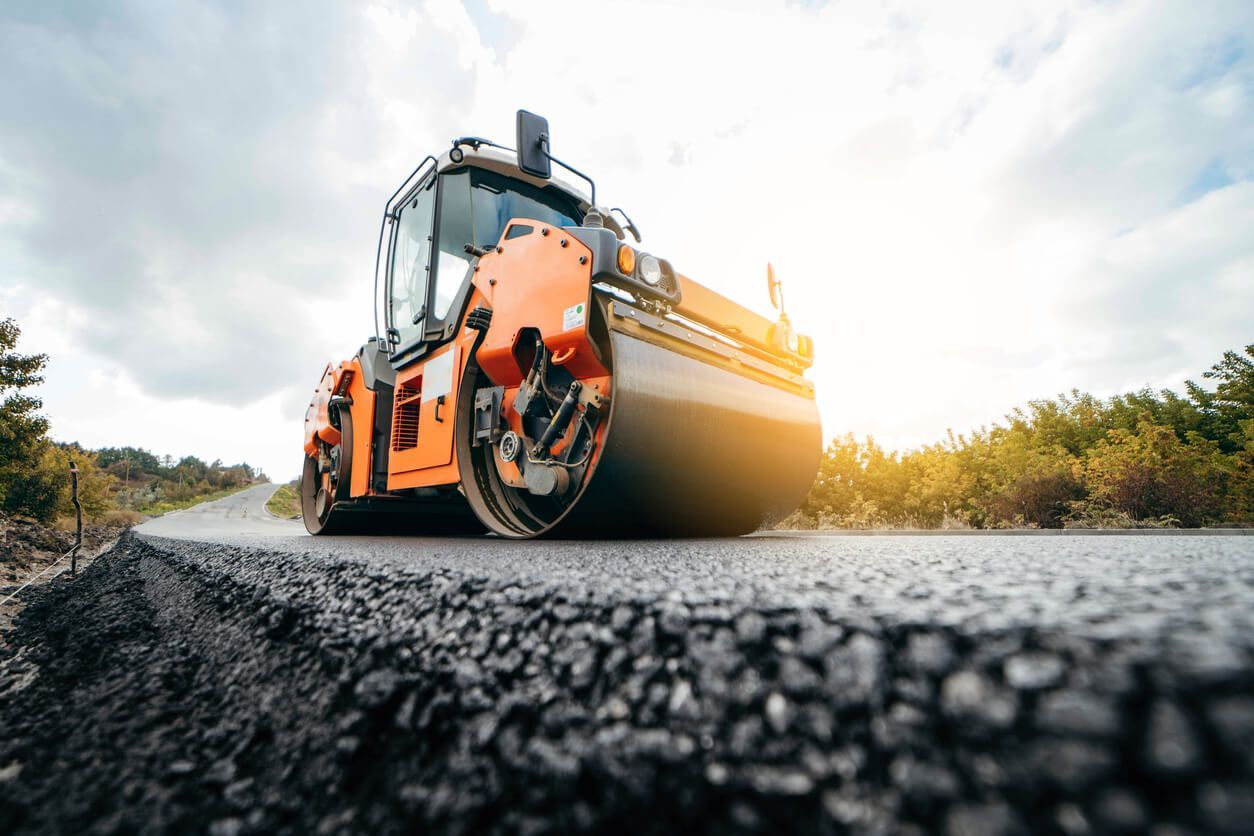
Wondering about asphalt vs blacktop? Learn their key differences and why the right choice depends on how the pavement will be used.

Learn what alligator cracking asphalt is and why it signals structural failure. Discover the common causes for pavement fatigue in San Antonio and South Texas.
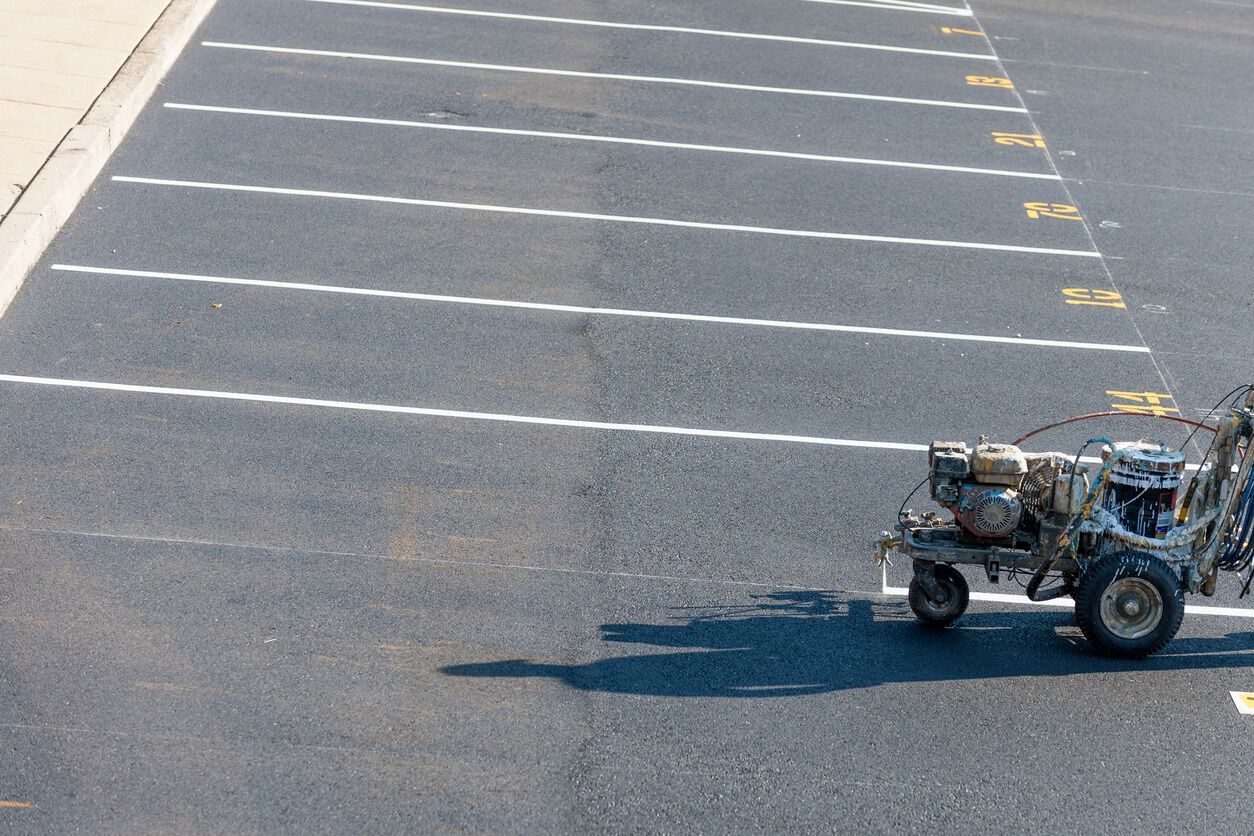
ADA parking striping requirements explained. Learn compliance rules, layouts, fire lanes, and how to keep your lot safe and inspection ready.
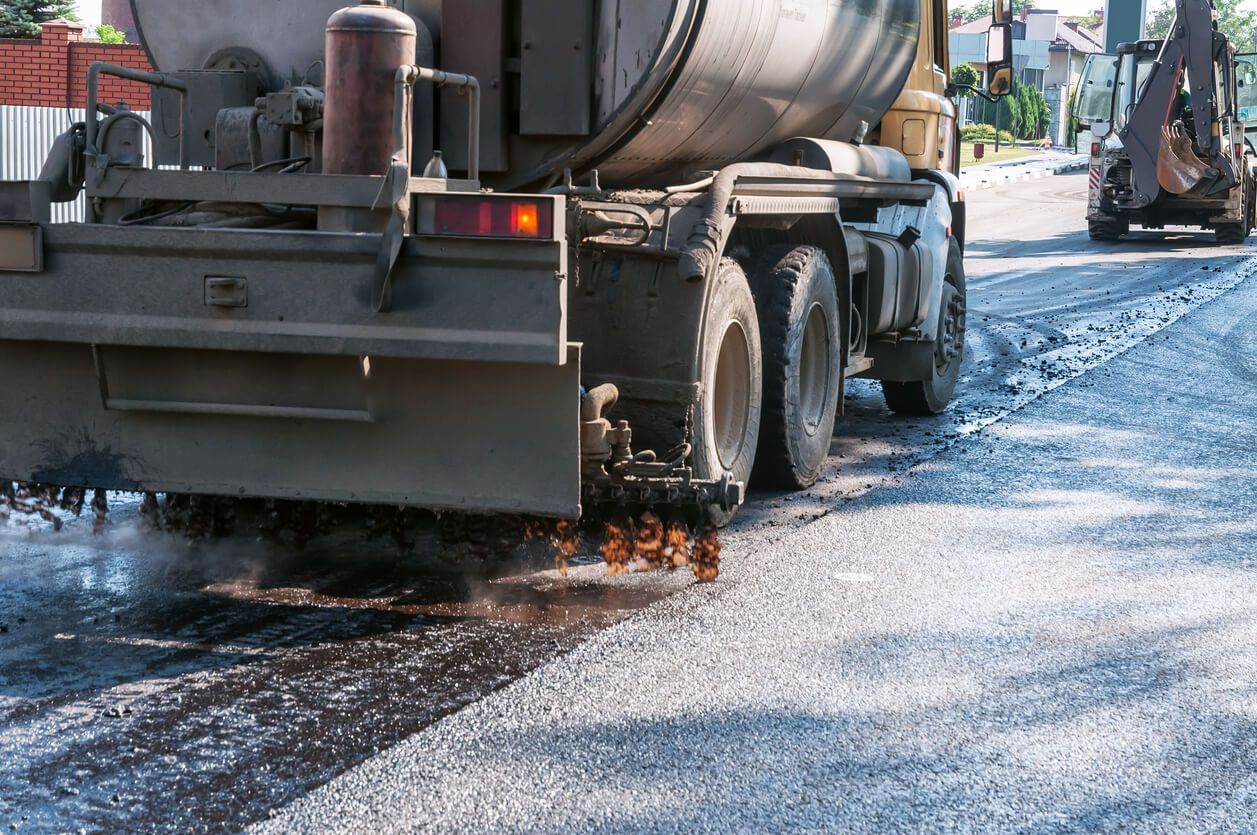
Asphalt sealcoating protects pavement from UV, water, and wear extend surface life, reduce repairs, and keep your property looking clean and professional.
Wondering what an asphalt driveway costs in Texas? Learn the real price ranges for overlays, full replacements, and repairs — plus what affects your final quote. Free estimates available in San Antonio.
Comparing concrete vs asphalt parking lots? See how each material stacks up in cost, lifespan, maintenance, and Texas heat performance. Get expert guidance from Pro-Line Paving in San Antonio.
Is your parking lot cracked, rutting, or draining poorly?
Learn the signs that milling and overlay can fix it —
without a costly full replacement. Pro-Line Paving explains.
Learn what asphalt maintenance involves, why it matters, and how regular care like sealing and crack repair helps extend pavement life and performance.