

210-530-0062
Drainage Problems in Parking Lots How Poor Water Flow Destroys Asphalt
July 13, 2026
A parking lot can look solid from the driver’s seat and still be failing from the bottom up. That is the trouble with parking lot drainage problems. Water does not need a dramatic flood to ruin asphalt. It only needs a place to sit, a crack to enter, and enough time to work like a pry bar.
For commercial properties in San Antonio and across South Texas, drainage issues are one of the fastest ways to shorten pavement life, create liability, and drive up repair costs. A lot that holds water after a storm is not just inconvenient. It is a warning sign. Ponding, soft spots, raveling, potholes, edge breakdown, and premature cracking often trace back to one root cause: poor water flow.
At Pro-Line Paving, drainage is not treated like an afterthought. It is part of building asphalt that lasts. Whether the project involves a retail center, office complex, industrial yard, HOA roadway, or private development, the way water moves across and away from the pavement matters just as much as the asphalt itself.
Why Parking Lot Drainage Problems Are So Destructive
Asphalt is durable, but it is not waterproof armor. Think of it more like a hardworking roof laid flat on the ground. It performs well when water sheds off properly. When water lingers, seeps through joints, or saturates the base beneath the surface, the entire system starts to weaken.
Most property owners notice the obvious symptoms first: puddles near entrances, water collecting in low spots, muddy edges, or potholes that seem to return no matter how often they are patched. But by the time those signs appear, water has usually already done damage below the surface. Once the base loses strength, the asphalt above it starts flexing under traffic. That is when cracking spreads, depressions deepen, and repairs become more expensive.
In South Texas, drainage stress can be especially rough on commercial pavement. Sudden heavy rain, extreme heat, clay-heavy soils in some areas, and high traffic volumes create a punishing cycle. Water gets in, heat softens the surface, vehicles add pressure, and the lot begins to fail in layers.
Common Signs of Poor Water Flow in a Parking Lot
Some drainage issues announce themselves loudly. Others are easy to ignore until they become a major problem. If you manage a commercial property, it helps to know what to look for before minor drainage defects turn into structural asphalt failure.
One of the most common signs is standing water that remains 24 hours or more after rainfall. A properly graded parking lot should move water toward drains, swales, or other collection points. If puddles linger long after the sky clears, the slope may be off, the surface may have settled, or the drain system may be clogged.
Other signs include alligator cracking, potholes forming in the same area repeatedly, crumbling pavement edges, water stains near low spots, and erosion around curbs or landscaped islands. You may also notice striping fading more quickly in ponding areas, or customers walking around the same puddles every time it rains. Those daily workarounds tell a story. Water is not moving the way it should.
What Causes Parking Lot Drainage Problems?
Drainage failures usually come from design flaws, construction shortcuts, deferred maintenance, or a combination of all three. In many cases, the asphalt itself gets blamed for problems that actually started with grading or the base.
Poor slope is one of the biggest culprits. If a parking lot is too flat, water has nowhere to go. If the grade is inconsistent, runoff collects in birdbaths and depressions instead of flowing to drains. Even a well-paved lot can struggle if the surrounding site directs water into the pavement instead of away from it.
Another common issue is base failure. When the aggregate base is not properly compacted or becomes saturated over time, the pavement above it begins to settle unevenly. That creates dips where water gathers. It becomes a loop: water causes settlement, settlement causes more ponding, and more ponding causes more damage.
Blocked or undersized drains can also trigger major problems. A lot may have the right slope on paper, but if inlets are clogged with debris, sediment, leaves, or trash, water backs up and spreads across the surface. In some older lots, drainage systems were simply not designed for current runoff demands. Add expansions, new curbing, landscaping changes, or increased traffic, and the original drainage layout may no longer work.
How Standing Water Damages Asphalt Over Time
Standing water is not just a cosmetic issue. It acts like a slow, patient demolition crew. The surface may look mostly intact at first, but the damage keeps progressing every time the lot gets wet.
First, water penetrates through tiny cracks, seams, and porous areas in the asphalt. Once underneath, it weakens the bond between materials and softens the base. Under vehicle loads, especially delivery trucks, work vans, and turning traffic, the pavement flexes more than it should. That movement leads to fatigue cracking.
Then the surface starts breaking apart. Fine aggregate loosens. Small cracks widen. Depressions deepen. In colder regions, freeze-thaw cycles make this even worse, but even in South Texas, heat and moisture are enough to accelerate failure. Water mixed with oil drips, tire friction, and UV exposure creates a rough combination. The lot starts aging faster than it should, almost like a boot sole wearing through in the same wet spot every day.
Once potholes form, the damage compounds quickly. Water enters faster, traffic impacts become harsher, and repairs become less predictable. A simple drainage correction early on is far cheaper than rebuilding failed sections later.
The Safety and Liability Risks of Drainage Issues
Parking lot drainage problems do not just affect pavement life. They affect people. That matters for any commercial property owner, manager, or facility team responsible for customer and employee safety.
Standing water creates slip hazards for pedestrians, especially near storefronts, sidewalks, ramps, and building entrances. It can hide surface defects like potholes or broken pavement edges. Drivers may swerve around puddles, creating awkward traffic movement in already tight parking areas. During storms or at night, reflective water can also make it harder to see striping, curbs, and directional markings.
There is also the liability side. If poor drainage contributes to a trip-and-fall, vehicle damage, accessibility issue, or drainage overflow into adjacent areas, the problem becomes bigger than maintenance. It becomes a risk management issue. A neglected puddle is not just a puddle when it keeps showing up in the same place month after month. It is evidence that the lot needs attention.
Drainage Problems Often Start Below the Surface
Many property owners focus on what they can see, which makes sense. But asphalt performance depends heavily on what is happening underneath. A parking lot is a layered system, and drainage failure often begins below grade before the surface gives any dramatic warning.
If the subgrade holds moisture or the base is poorly compacted, traffic loads push the pavement down unevenly. That creates low areas. In expansive soils, which can be a concern in parts of Texas, moisture changes can cause movement that affects grade and stability. The result is a lot that slowly loses its intended drainage pattern.
This is why surface patching alone does not always solve recurring water problems. If the ponding area is caused by deeper settlement or structural weakness, a patch may act like a bandage over a sinking floorboard. It might look better for a while, but the water finds its way back, and the failure returns.
How Drainage Problems Are Diagnosed the Right Way
A proper drainage evaluation goes beyond spotting puddles after rain. It looks at the whole site: slope, runoff direction, drain placement, curb lines, inlets, surrounding grade, and pavement condition.
Contractors experienced in commercial asphalt work will often identify whether the issue is isolated or systemic. Is the low spot local to one section of pavement? Is water coming from an adjacent landscape bed or roof downspout? Has the lot settled over time? Are catch basins functioning correctly? Is the drainage design overwhelmed during heavy storms?
The answer matters because the repair strategy depends on the source of the problem. A clogged drain calls for a different solution than failed base material. A surface depression may be corrected with localized asphalt work, while widespread poor slope may require milling, regrading, and overlay. Guessing is expensive. Diagnosis saves money.
Solutions for Parking Lot Drainage Problems
The right repair depends on the severity and cause of the issue. Some drainage problems can be corrected with targeted maintenance. Others require structural repair or reworking the lot’s grade so water can finally move as intended.
For minor surface issues, crack sealing, patching, and seal coating may help protect the pavement from further water intrusion. These are useful tools, but they work best when the underlying drainage pattern is still functional. They are not magic tricks. If water continues to pond, the problem will outlast the cosmetic repair.
For deeper depressions or recurring ponding, asphalt milling and overlay may be the better fix. Milling removes the damaged upper layer and allows the surface to be reshaped for proper drainage before new asphalt is installed. In areas with base failure, full-depth repair may be necessary to rebuild the support structure below the asphalt.
Drainage improvements may also include adjusting inlets, installing or repairing catch basins, correcting curb flow lines, or regrading surrounding areas that direct water into the lot. On some commercial sites, the most durable outcome comes from a turnkey approach that addresses both pavement and drainage together rather than treating them as separate issues.
Why Preventive Maintenance Matters
A parking lot rarely fails all at once. More often, it fails in stages. A little ponding becomes a crack. The crack becomes moisture intrusion. Moisture intrusion becomes base damage. Base damage becomes potholes, rough ride quality, and bigger invoices.
That is why preventive maintenance matters so much. Routine inspections, crack filling, sealcoating, pavement marking updates, and timely repairs help catch drainage-related wear early. After major rain events, it is worth walking the property and noting where water collects, how long it stays, and whether runoff is reaching drains properly.
For commercial property owners in San Antonio, Spring Branch, Bulverde, San Marcos, Kyle, and surrounding South Texas areas, this is especially important during heavy rain seasons and periods of extreme heat. Weather does not wait for your maintenance schedule. Pavement problems tend to get louder when ignored.
When It Is Time to Call a Commercial Asphalt Contractor
If your lot has standing water, recurring potholes, sinking sections, edge erosion, or drainage complaints from tenants or customers, it is time to bring in a professional. The longer drainage issues continue, the more likely they are to turn a manageable repair into a larger restoration project.
Commercial paving contractors with experience in asphalt repair, milling, overlays, and pavement maintenance can determine whether the issue is surface-level or structural. That distinction is everything. You do not want to spend money repainting lines on pavement that is already failing under the surface.
At Pro-Line Paving, commercial asphalt work is approached as a full system, not just a blacktop surface. That includes evaluating how water moves, where it gets trapped, and what needs to be corrected to protect long-term pavement performance. For property managers and owners, that means fewer repeat repairs, better safety, and better value over the life of the lot.
Protect Your Asphalt by Fixing the Water First
Parking lot drainage problems are easy to underestimate because water does its damage quietly at first. But over time, poor drainage can wreck asphalt the way a small roof leak can ruin an entire building. It starts with inconvenience. It ends with structural failure, safety issues, and unnecessary expense.
If your commercial parking lot holds water after rain, shows signs of repeated cracking or potholes, or simply does not drain the way it should, now is the time to act. Correcting poor water flow early can extend pavement life, improve appearance, reduce liability, and prevent more costly repairs down the road.
Pro-Line Paving provides commercial asphalt paving, repair, milling and overlays, seal coating, pavement marking, and turnkey paving solutions throughout San Antonio and South Texas. If you need a professional assessment of drainage-related asphalt damage, contact the team for a free estimate and expert guidance on the right fix for your property.

HOA paving shouldn't mean budget surprises. Learn how to build a long-term asphalt plan covering maintenance, sealcoating, and repairs.

How long does asphalt last? Explore average lifespan ranges and the main factors that cause asphalt to age, crack, or wear out.
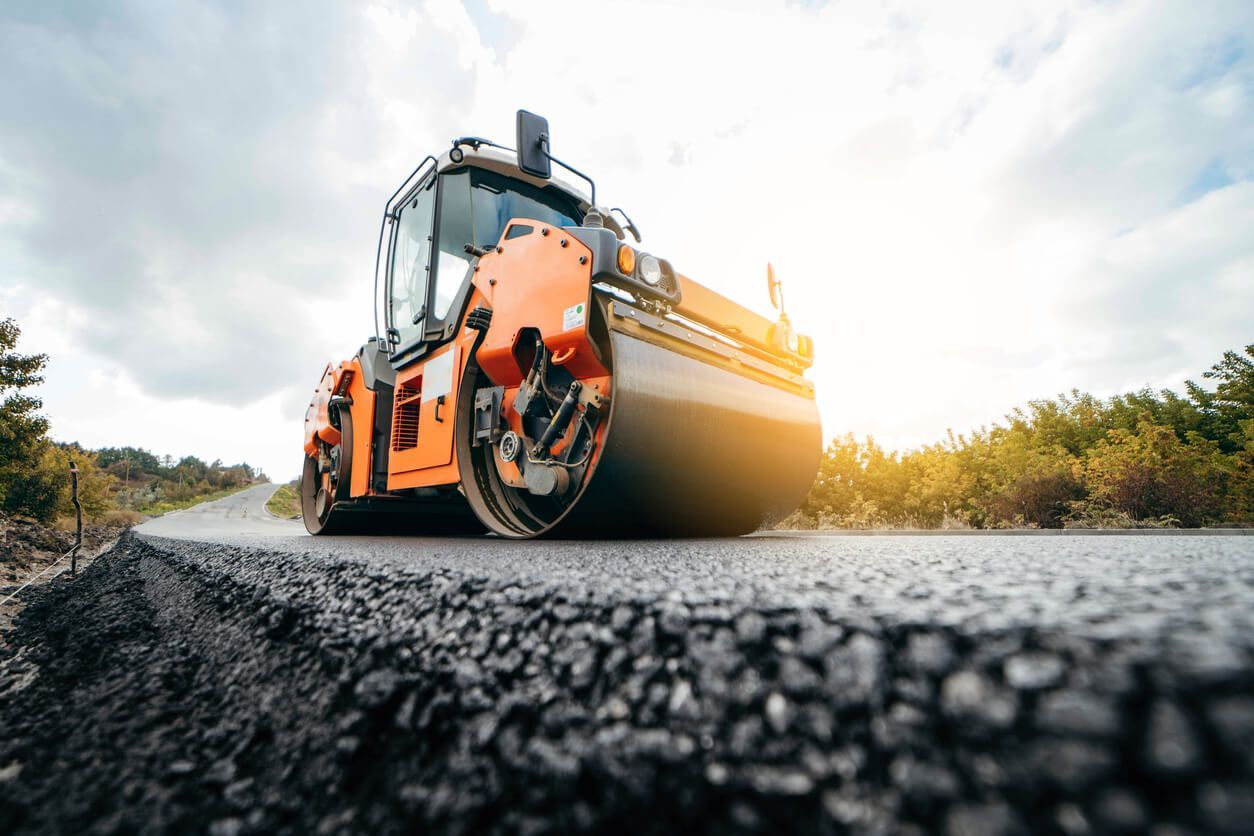
Wondering about asphalt vs blacktop? Learn their key differences and why the right choice depends on how the pavement will be used.

Learn what alligator cracking asphalt is and why it signals structural failure. Discover the common causes for pavement fatigue in San Antonio and South Texas.
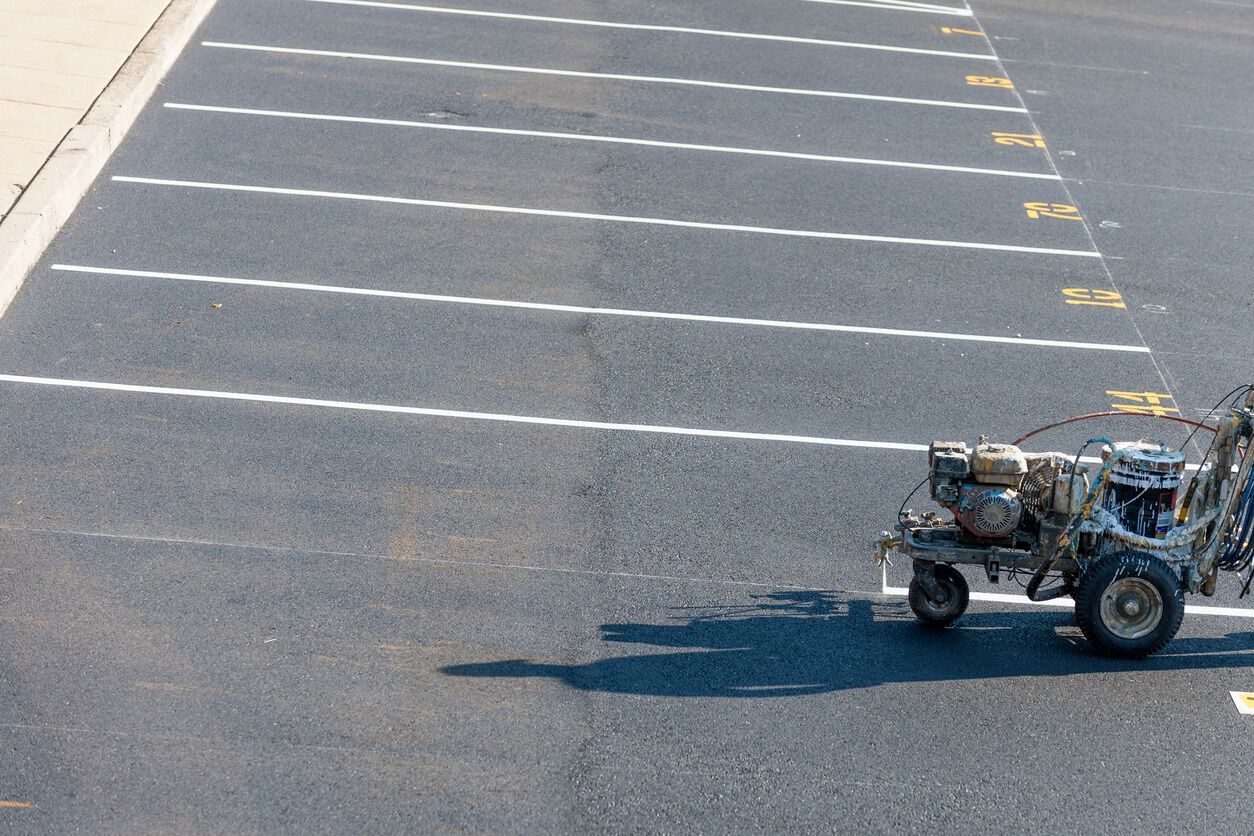
ADA parking striping requirements explained. Learn compliance rules, layouts, fire lanes, and how to keep your lot safe and inspection ready.
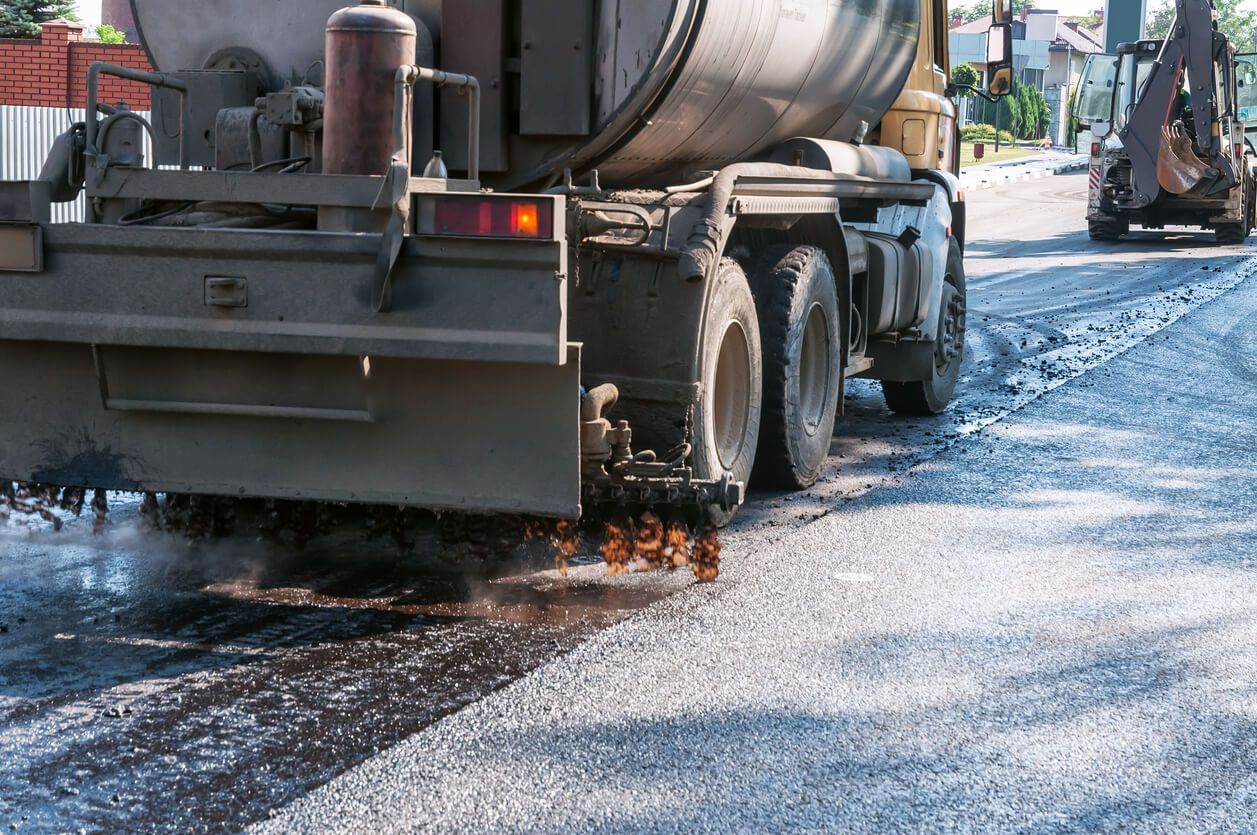
Asphalt sealcoating protects pavement from UV, water, and wear extend surface life, reduce repairs, and keep your property looking clean and professional.
Wondering what an asphalt driveway costs in Texas? Learn the real price ranges for overlays, full replacements, and repairs — plus what affects your final quote. Free estimates available in San Antonio.
Comparing concrete vs asphalt parking lots? See how each material stacks up in cost, lifespan, maintenance, and Texas heat performance. Get expert guidance from Pro-Line Paving in San Antonio.
Is your parking lot cracked, rutting, or draining poorly?
Learn the signs that milling and overlay can fix it —
without a costly full replacement. Pro-Line Paving explains.
Learn what asphalt maintenance involves, why it matters, and how regular care like sealing and crack repair helps extend pavement life and performance.