

210-530-0062
Parking Lot Striping Requirements: ADA Rules, Fire Lanes, and Compliance Basics
Sino Baduza • May 4, 2026
A parking lot does more than hold cars. It directs traffic, protects pedestrians, shapes first impressions, and helps keep a property compliant with local and federal requirements. When striping is faded, poorly planned, or out of date, the whole site starts to feel loose around the edges. Drivers hesitate. Customers park where they should not. Access aisles get blocked. Fire lanes become suggestions instead of rules.
That is why ada parking striping matters so much for commercial properties. It is not just paint on asphalt. It is part safety system, part legal requirement, and part customer experience. Whether you manage a retail center in San Antonio, an office complex in New Braunfels, an HOA property in Bulverde, or an industrial site anywhere in South Texas, your parking lot striping needs to do its job clearly and consistently.
At Pro-Line Paving, we work with commercial properties that need more than a quick re-stripe. They need a layout that makes sense, markings that last, and a team that understands how ADA parking spaces, fire lane striping, signage, traffic flow, and pavement maintenance all fit together. This guide breaks down the basics so you know what to look for and when it is time to bring in professionals.
Why Parking Lot Striping Compliance Matters
Parking lot striping is one of those things people only notice when it goes wrong. If the lines are crisp, directional arrows are easy to follow, and accessible spaces are properly marked, the lot feels organized without anyone thinking much about it. But when markings are faded or confusing, the problems stack up fast. A driver parks over a line. A delivery truck blocks an access aisle. A customer using a wheelchair cannot safely unload because the striped aisle is barely visible.
Compliance is the practical side of that problem. ADA requirements exist to make sure people with disabilities can access businesses and public-facing properties safely. Fire lane rules help emergency vehicles move quickly when seconds matter. Local code requirements often govern stall dimensions, curb markings, loading zones, and traffic control features. In other words, your striping is not cosmetic. It is operational infrastructure.
For commercial property owners, staying compliant also protects against avoidable liability. A poorly marked lot can trigger complaints, failed inspections, accessibility claims, or tenant frustration. In a competitive market like San Antonio and the surrounding South Texas region, that is a lot of risk tied to something as fixable as pavement marking.
Understanding ADA Parking Striping Basics
When people search for ada parking striping, they are usually trying to answer one of two questions: how many accessible spaces do I need, and how should those spaces be marked? Both matter, and both need to be handled correctly.
ADA-compliant parking spaces are not just wider stalls with a wheelchair symbol thrown on top. They are part of a larger accessible route system. The parking space, adjacent access aisle, signage, slope, and path to the building entrance all work together. If one part fails, the whole setup can become noncompliant.
Accessible parking spaces must be clearly identified with pavement markings and proper signage. Van-accessible spaces require additional width or access aisle dimensions depending on the layout. The access aisle must be marked to discourage parking in that space, and the route from the stall to the entrance must remain usable. Think of it like building a bridge: if the deck is perfect but the ramp is broken, people still cannot cross.
For many commercial lots, ADA striping includes:
- Standard accessible parking spaces
- Van-accessible parking spaces
- Clearly striped access aisles
- International Symbol of Accessibility markings
- Upright ADA parking signs
- Proper connection to an accessible entry route
The exact number of required accessible spaces depends on the total number of parking spaces in the lot. Larger properties generally require more accessible stalls, and a portion of those must be van accessible. This is where professional layout matters. Guessing is expensive. Re-striping after the fact is even more expensive.
ADA Compliance Is More Than Just Blue Paint
One of the most common mistakes in parking lot striping is assuming ADA compliance begins and ends with blue paint. It does not. Blue paint may help identify accessible parking areas, but compliance depends on dimensions, placement, visibility, signage, and usability.
For example, an ADA space that is the wrong width is still wrong even if the symbol is bright and freshly painted. An access aisle that slopes too steeply can create a real barrier for wheelchair users. A sign mounted too low or missing altogether can put the property at risk. The paint is the visible part, but the layout is the real backbone.
That is why experienced striping contractors look at the whole parking lot, not just the lines being repainted. They assess traffic flow, spacing, curb ramps, pedestrian routes, and the condition of the asphalt itself. If the pavement is crumbling or uneven, striping alone is like putting eyeliner on a black eye. It may look better for a minute, but the underlying issue is still there.
For South Texas properties, heat and UV exposure also matter. Striping can fade faster under intense sun, especially in high-traffic commercial lots. Keeping ADA markings visible and legible over time takes proper materials, surface prep, and routine maintenance.
Fire Lane Striping Requirements and Safety Considerations
Fire lane striping is another area where property owners cannot afford to be casual. Fire lanes must remain visible, clearly marked, and free of parked vehicles. These zones are designed to give emergency responders direct access to buildings, entrances, hydrants, and key circulation areas.
In many municipalities, fire lane striping requirements are shaped by local fire code, city ordinances, and inspection standards. That means the exact language, color requirements, curb markings, or stencil wording may vary by jurisdiction. In and around San Antonio, local code enforcement and fire marshal expectations can differ from one municipality to the next, which is why local experience matters.
Typical fire lane marking requirements may include:
- Red-painted curbs
- "NO PARKING FIRE LANE" stencil markings
- Specific letter height and spacing
- Continuous curb or pavement markings in designated areas
- Signage posted at required intervals
A faded fire lane is not just an eyesore. It creates hesitation and ambiguity, and ambiguity is the enemy of emergency access. If a driver is unsure whether a curb is still active as a fire lane because the red paint has ghosted away into pink dust, that is a problem.
Property managers should also remember that fire lanes interact with the rest of the striping plan. Delivery areas, accessible routes, drive aisles, and pickup zones all need to coexist without conflict. A good striping layout solves those pressure points before they become daily headaches.
Common Parking Lot Striping Compliance Mistakes
A lot of parking lots drift out of compliance gradually. It rarely happens all at once. The lines fade. A tenant asks for extra parking. A repair patch cuts through old markings. A sealcoating job goes down, but the re-striping is delayed. Before long, the lot looks like it has been edited by five different people over ten years.
That piecemeal approach is where mistakes creep in. Some of the most common issues include:
- Too few ADA parking spaces
- Missing or undersized access aisles
- Incorrect van-accessible striping
- Missing ADA signs
- Faded or incomplete fire lane markings
- Confusing traffic arrows and directional flow
- Striping over damaged or uneven pavement
- Stall dimensions that do not match code or site needs
- Unmarked no-parking zones near entrances or dumpsters
These problems are especially common in older commercial properties that have been resurfaced or repurposed over time. A former office building may now serve medical tenants. A retail center may have shifted traffic patterns due to curbside pickup. A church lot may now host weekday school traffic. If the striping plan has not evolved with the property, compliance and usability suffer.
That is why a fresh layout review can be just as valuable as the striping itself. Sometimes the smartest move is not simply repainting old lines but redesigning the lot to better match current use.
When to Re-Stripe a Commercial Parking Lot
There is no single calendar date that works for every property, but there are clear signs a lot needs re-striping. If markings are hard to see in daylight, they are definitely hard to see in rain, glare, or nighttime conditions. If drivers regularly ignore stall boundaries or block access aisles, the markings may not be doing enough visual work.
As a rule, commercial parking lots should be inspected regularly and re-striped as needed based on traffic volume, sun exposure, seal coating schedules, and overall pavement condition. High-use properties like shopping centers, medical offices, schools, apartment complexes, and industrial facilities may need more frequent attention than lower-traffic sites.
A few good times to consider re-striping include:
- After seal coating
- After asphalt repairs or overlays
- When ADA or fire lane markings are faded
- When traffic flow needs to be updated
- Before inspections or property turnover
- When a property changes tenants or use type
Think of striping like the language of the parking lot. When it fades, the lot stops speaking clearly. Drivers improvise. Pedestrians take risks. Compliance slips. Fresh striping restores order fast.
The Role of Pavement Condition in Striping Performance
Even the best striping crew cannot make failing asphalt perform like new pavement. If the surface is cracked, raveled, patched unevenly, or holding water, the markings laid over it will have a shorter life and a rougher appearance.
That is why professional pavement marking often goes hand in hand with broader asphalt maintenance. Crack filling, patching, seal coating, milling, overlays, and repairs all affect how well striping adheres and how long it stays visible. A parking lot with clean, stable pavement gives striping a proper canvas. A worn-out lot eats paint and creates inconsistent results.
At Pro-Line Paving, this is part of the advantage of offering turnkey asphalt services. If a lot needs repair before striping, that can be addressed. If the site would benefit from seal coating first, that can be coordinated. The goal is not to sell extra work for the sake of it. The goal is to make sure the finished product lasts and performs the way it should.
For property owners, this integrated approach saves time and reduces the usual finger-pointing between different contractors. One team evaluates the lot, recommends the right sequence, and handles the work with quality control built in.
Local Considerations for San Antonio and South Texas Properties
Parking lot striping in South Texas comes with its own set of realities. The heat is relentless, UV exposure is intense, and sudden storms can test drainage and visibility in a hurry. A parking lot that looks acceptable on a mild morning can become difficult to read under harsh midday glare or after a summer downpour.
That local climate makes durable materials, proper prep, and maintenance timing even more important. It also means property owners in San Antonio, Spring Branch, Bulverde, San Marcos, Kyle, and nearby areas should work with contractors who understand local conditions and code expectations.
Beyond weather, South Texas commercial properties often deal with diverse traffic demands. A lot may need to serve customers, delivery vehicles, service trucks, employees, and accessible parking users all at once. Medical offices, retail centers, industrial yards, churches, schools, and HOAs each have different striping priorities. There is no one-size-fits-all template that works everywhere.
That is where local experience pays off. A contractor familiar with the region can spot the practical issues that do not show up on a generic checklist, like tight turning radiuses, overloaded pickup zones, or fire lane areas that routinely get blocked during peak hours.
Choosing a Contractor for ADA Parking Striping and Compliance Work
Not every striping contractor approaches compliance work with the same level of care. Some crews simply repaint existing lines without checking whether the layout is still correct. That may be cheaper on day one, but it can cost much more if the lot fails inspection or creates accessibility issues.
A qualified commercial paving and striping company should be able to evaluate your lot as a system. That includes ADA parking spaces, fire lane striping, pavement marking, signage, traffic flow, and the condition of the asphalt underneath. They should also understand when local code, federal accessibility standards, and practical site use all need to be balanced.
When reviewing contractors, ask whether they:
- Handle commercial ADA striping regularly
- Understand local fire lane marking requirements
- Provide signage as well as pavement markings
- Offer layout planning, not just repainting
- Can address asphalt repairs before striping if needed
- Work on occupied commercial properties with minimal disruption
The right contractor does more than paint lines. They help reduce risk, improve traffic flow, and make the property easier for everyone to use.
Final Thoughts: Striping Is Small Until It Is Not
Parking lot striping is easy to underestimate because it seems simple from a distance. A few lines. A few symbols. A few curb markings. But those details control how people move, where they stop, and whether your property meets critical accessibility and safety requirements.
If your lot has faded ADA spaces, unclear fire lanes, missing signage, or traffic markings that no longer match the way the property is used, now is the time to fix it. Small striping problems have a way of becoming expensive operational problems when they are ignored.
Pro-Line Paving provides commercial pavement marking, ADA parking striping, fire lane striping, signage, asphalt repair, and turnkey paving solutions across San Antonio and South Texas. If you need a parking lot that is built to last and marked with precision, contact our team for a professional assessment and free estimate.

HOA paving shouldn't mean budget surprises. Learn how to build a long-term asphalt plan covering maintenance, sealcoating, and repairs.

How long does asphalt last? Explore average lifespan ranges and the main factors that cause asphalt to age, crack, or wear out.
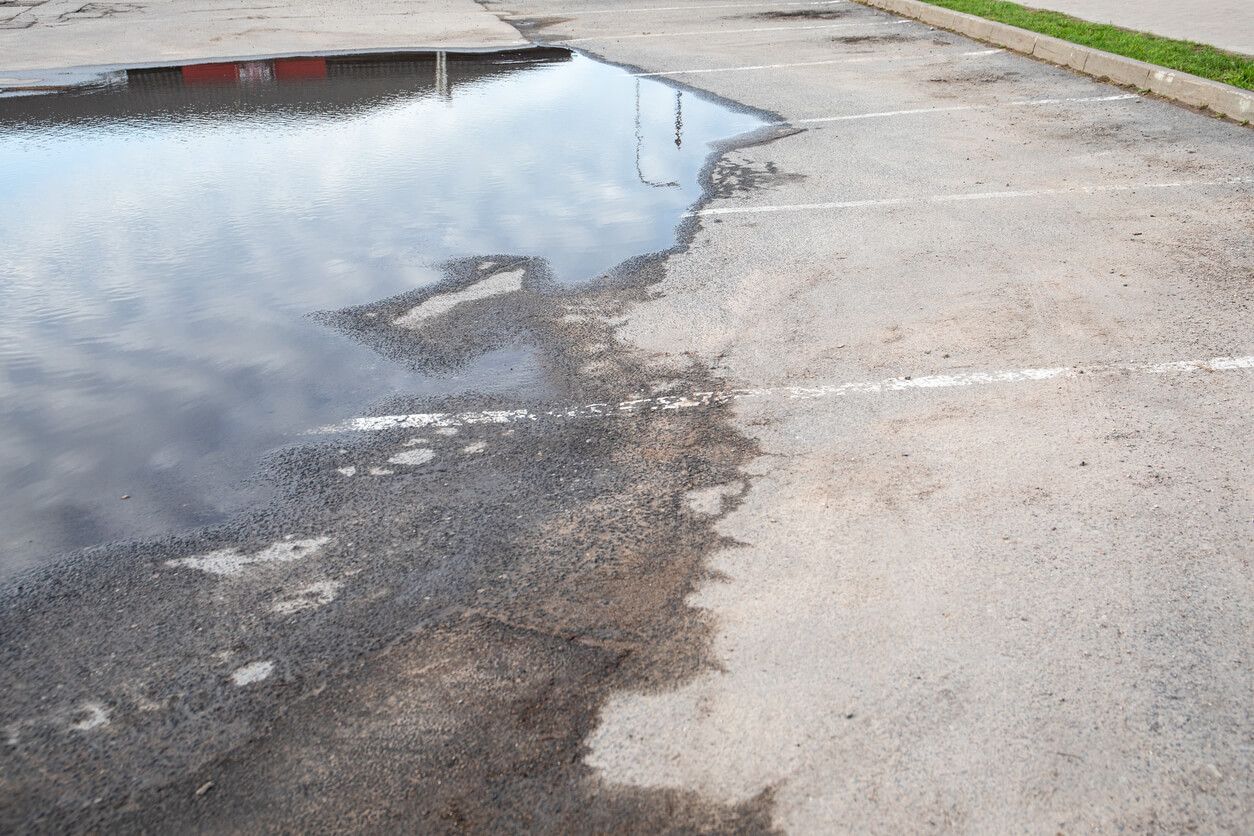
Learn why parking lot drainage problems happen, how water buildup affects asphalt, and which warning signs may point to larger site issues.

Wondering about asphalt vs blacktop? Learn their key differences and why the right choice depends on how the pavement will be used.

Learn what alligator cracking asphalt is and why it signals structural failure. Discover the common causes for pavement fatigue in San Antonio and South Texas.
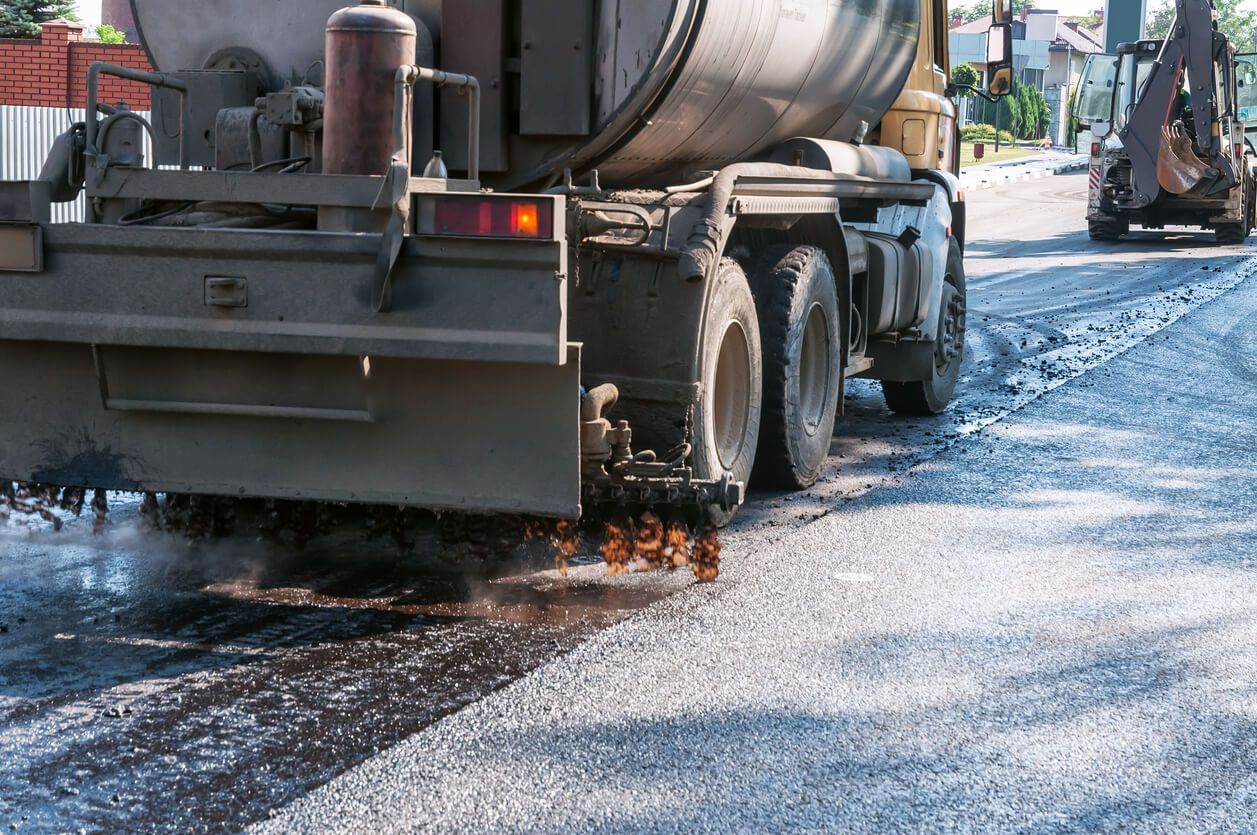
Asphalt sealcoating protects pavement from UV, water, and wear extend surface life, reduce repairs, and keep your property looking clean and professional.
Wondering what an asphalt driveway costs in Texas? Learn the real price ranges for overlays, full replacements, and repairs — plus what affects your final quote. Free estimates available in San Antonio.
Comparing concrete vs asphalt parking lots? See how each material stacks up in cost, lifespan, maintenance, and Texas heat performance. Get expert guidance from Pro-Line Paving in San Antonio.
Is your parking lot cracked, rutting, or draining poorly?
Learn the signs that milling and overlay can fix it —
without a costly full replacement. Pro-Line Paving explains.

Learn what asphalt maintenance involves, why it matters, and how regular care like sealing and crack repair helps extend pavement life and performance.