

210-530-0062
What Is Driveway Seal Coating? What It Does and Why It Matters
Sino Baduza • October 15, 2026
What Is Driveway Seal Coating?
Driveway seal coating is a liquid protective layer applied to an asphalt driveway that is already in place. Crews brush, squeegee or spray it across the surface, and it dries into a dark, even film. Homeowners who ask what seal coating a driveway involves are often picturing new pavement, but the coating is thin, a fraction of the thickness of a paved layer, and it rides on top of the asphalt underneath.
Seal coating is a maintenance treatment. It keeps sound pavement in good shape longer, much the way a coat of paint protects wood siding. In San Antonio and Central Texas the sun and heat work on asphalt almost year-round, so many homeowners treat it as a regular part of driveway upkeep. Pro-Line Paving has sealed and maintained pavement across the region since 1995, and the same crews who seal large commercial lots seal residential driveways.
What Seal Coating Does for a Driveway
What seal coating a driveway does comes down to three protections.
The first is protection from the sun. Asphalt is stone held together by a liquid binder, and ultraviolet light oxidizes that binder over time. This is why a fresh black driveway turns gray and brittle as the years pass. A seal coat shields the binder from UV so the surface stays flexible longer.
The second is protection from water. Sealed pavement sheds rain, which keeps it from working into hairline cracks and reaching the base beneath. Once water gets to the base, a small surface issue becomes a structural one, and South Texas downpours give water plenty of chances to try.
The third is protection from oil, gas and other chemical drips. Unsealed asphalt softens where those fluids land. A sealed surface gives them far less to soak into, so a leaky car in the garage-side parking spot does less lasting harm.
Seal coating leaves cracks and potholes exactly as it finds them. They get fixed through asphalt repair that fills cracks and patches damaged areas before the sealer goes down. Coating over damage traps the problem underneath, and it comes back through the new surface within a season.
The Two Main Types of Sealer and Why the Difference Matters
Driveway sealers come in two main chemistries. Coal-tar-based sealers use a coal tar binder. Asphalt-emulsion-based sealers use an asphalt binder suspended in water, and they are the widely used alternative where coal tar is restricted. A third type, acrylic, shows up in some products as well.
The difference matters because coal tar sealers carry polycyclic aromatic hydrocarbons, known as PAHs, that wash off pavement into creeks and lakes. In urban water bodies that were studied, coal-tar sealcoat was the source of 70 to 80 percent of the PAHs found in sediment. Austin, Texas banned coal-tar sealant, and afterward average PAH concentrations in the lower part of a local lake fell 58 percent, reversing a 40-year upward trend.
A number of other cities and states restrict coal tar too. New York, for example, prohibits sealant products labeled "coal tar," "refined coal tar," "RT-12" and similar terms, which gives homeowners a handy label to look for. Pro-Line crews work with both coal tar and asphalt emulsion sealers, so asking any contractor which product goes on your driveway, and what your local rules allow, is a fair question.
How Often to Reseal, and Signs It's Time
Most driveways do well with a new seal coat every two to three years. A driveway in full sun or one that carries heavy vehicle traffic may need it closer to two years. A lightly used driveway can often go longer.
The surface tells you when the coating has worn thin. These signs point to resealing:
- The color has faded from deep black to gray.
- Water spreads out on the surface and no longer beads up.
- The surface feels rough, with loose stone at the top.
- The wheel paths, where tires run every day, look worn down.
Cracks and potholes call for repair first, and the sealer follows once the pavement is sound.
DIY or Call a Professional?
Sealer is sold for homeowners to apply themselves, and plenty of people do. The jobs that go wrong usually go wrong in three places. Coverage ends up uneven, so drive lanes wear thin first. Cracks get coated over instead of repaired. And cure time gets cut short. Sealcoat is typically applied in two coats and needs 24 to 48 hours to cure before vehicles return, with longer waits in humid weather or shade.
Pro-Line Paving handles surface prep, crack filling and sealant application together as one in-house job, and every job carries a one-year warranty. The crews serve San Antonio and Central Texas, and they assess your driveway first so the work matches what the pavement needs.
When you are ready, you can Request a Sealcoating Quote and get a written estimate for your driveway.
HOA paving shouldn't mean budget surprises. Learn how to build a long-term asphalt plan covering maintenance, sealcoating, and repairs.
How long does asphalt last? Explore average lifespan ranges and the main factors that cause asphalt to age, crack, or wear out.
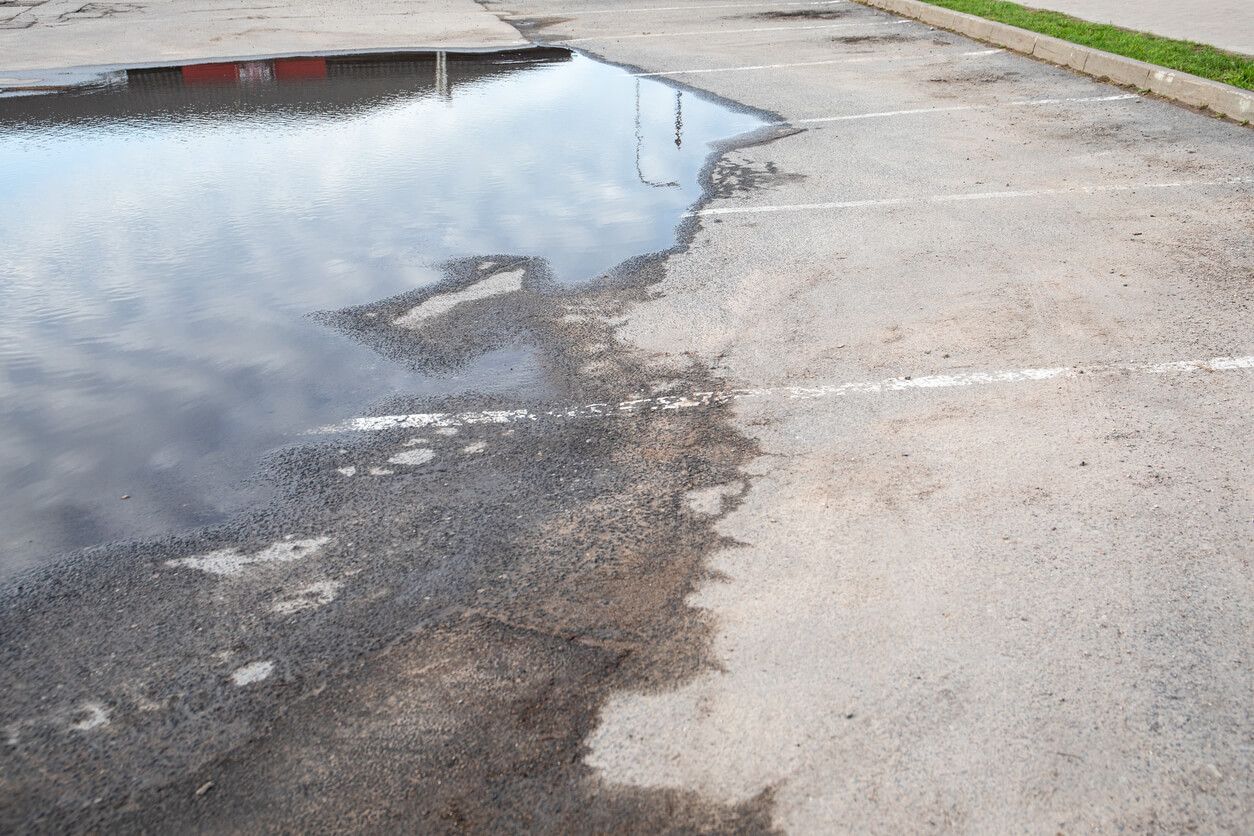
Learn why parking lot drainage problems happen, how water buildup affects asphalt, and which warning signs may point to larger site issues.
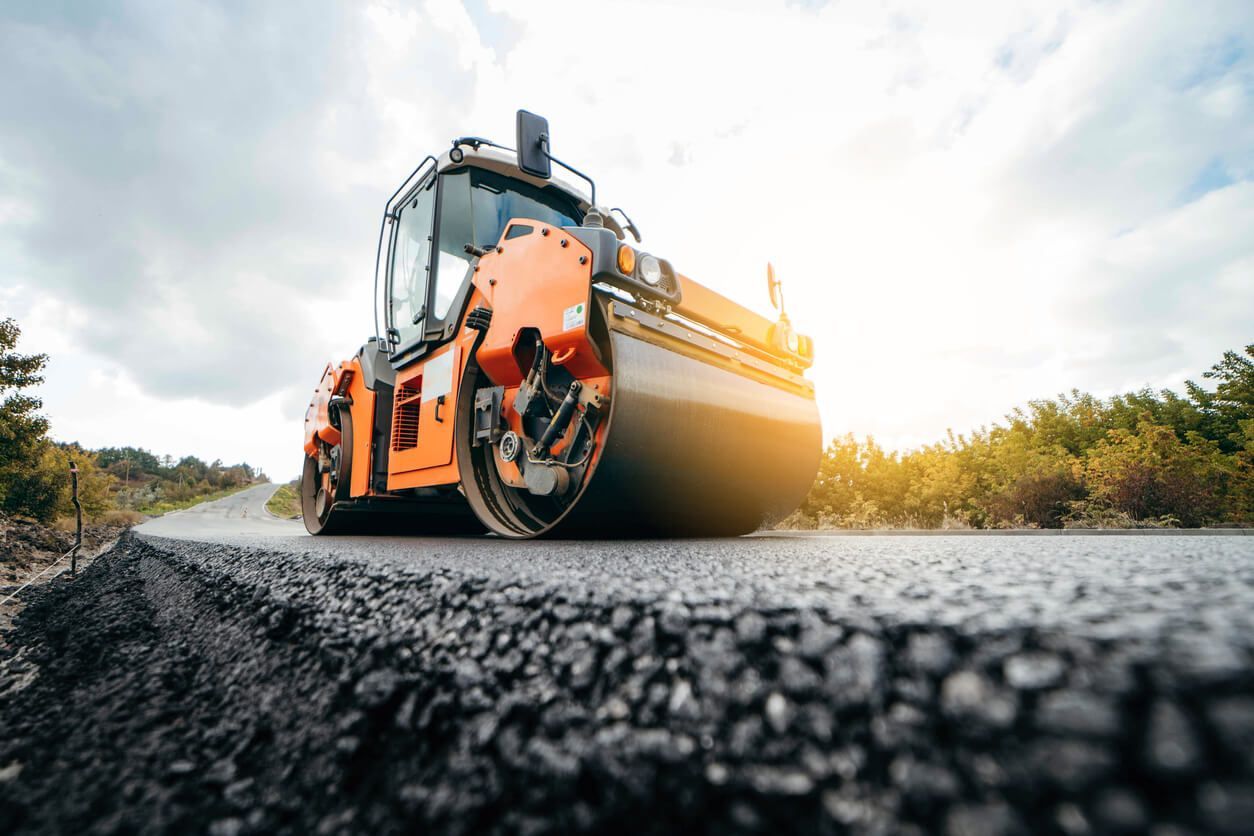
Wondering about asphalt vs blacktop? Learn their key differences and why the right choice depends on how the pavement will be used.

Learn what alligator cracking asphalt is and why it signals structural failure. Discover the common causes for pavement fatigue in San Antonio and South Texas.
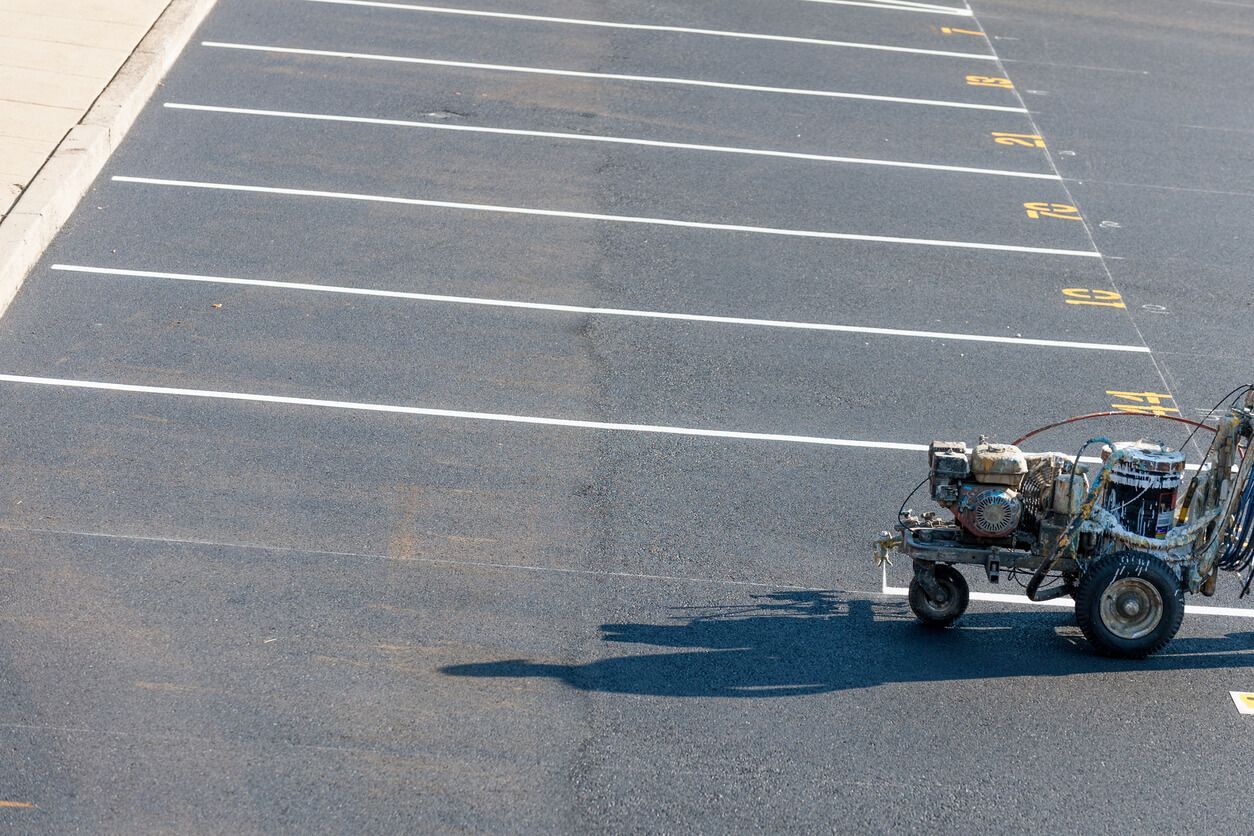
ADA parking striping requirements explained. Learn compliance rules, layouts, fire lanes, and how to keep your lot safe and inspection ready.
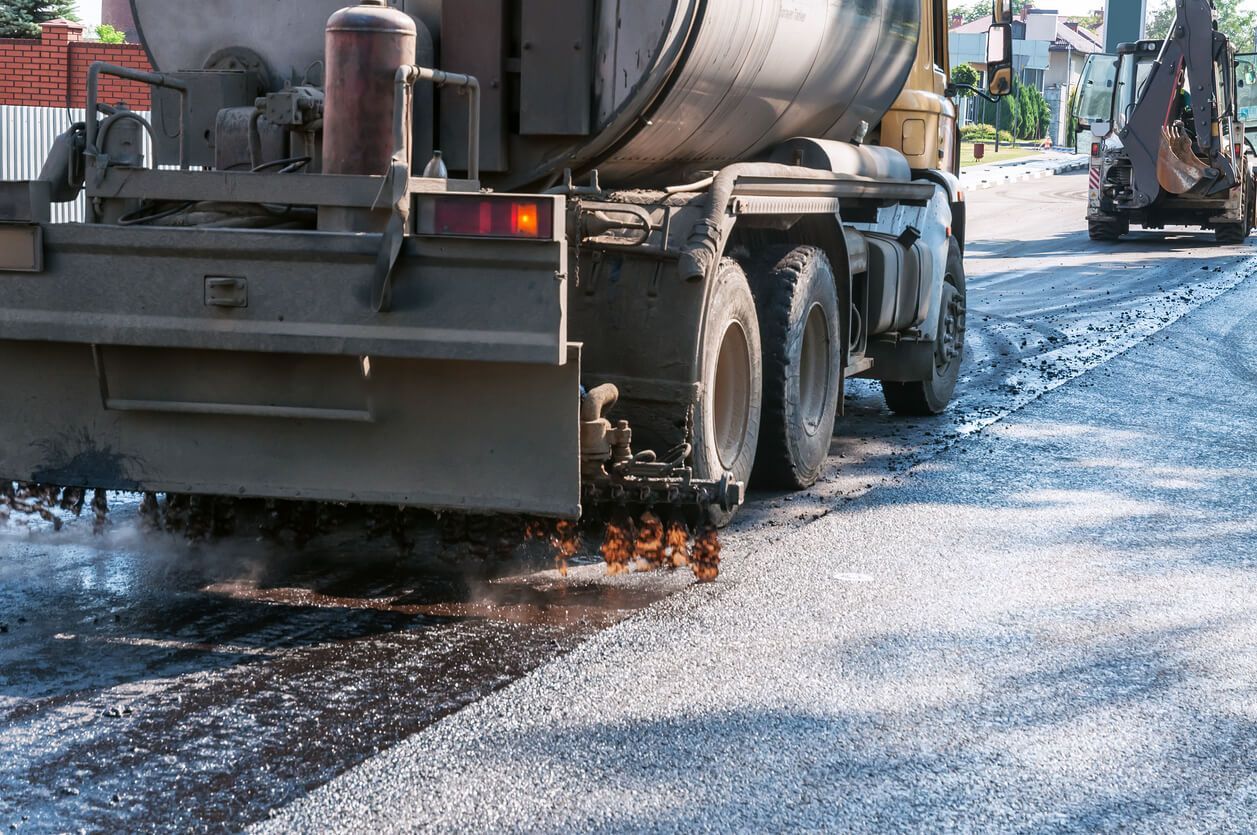
Asphalt sealcoating protects pavement from UV, water, and wear extend surface life, reduce repairs, and keep your property looking clean and professional.
Wondering what an asphalt driveway costs in Texas? Learn the real price ranges for overlays, full replacements, and repairs — plus what affects your final quote. Free estimates available in San Antonio.
Comparing concrete vs asphalt parking lots? See how each material stacks up in cost, lifespan, maintenance, and Texas heat performance. Get expert guidance from Pro-Line Paving in San Antonio.
Is your parking lot cracked, rutting, or draining poorly?
Learn the signs that milling and overlay can fix it —
without a costly full replacement. Pro-Line Paving explains.