


210-530-0062
Subgrade Stabilization: Why the Base Layer Determines Asphalt Success or Failure
Sino Baduza • October 19, 2026
Anyone can admire a fresh black asphalt surface on day one. It looks clean, smooth, and finished. But in pavement construction, the real story starts below the part you can see. The truth is simple: asphalt is only as good as the dirt, moisture balance, and crushed aggregate beneath it. When that lower structure is rushed, ignored, or guessed at, the surface eventually tells on the contractor.
That is why asphalt subgrade preparation matters so much. A parking lot or access road may look perfect after paving, but if the base is weak, wet, unstable, or uneven, the finished mat is already on borrowed time. In South Texas, where heat, clay movement, sudden rains, and heavy commercial traffic all collide, weak groundwork can turn into ruts, dips, and cracking much faster than property owners expect.
At Pro-Line Paving, this is not treated like a hidden step to get through quickly. It is the foundation of the whole job. Cheap asphalt driveways and low-bid parking lots usually fail for one reason: the contractor saved time and money where the owner could not see it. They paved over poor soil, ignored moisture, skipped proper compaction, or underbuilt the base layers. The result is familiar, wheel-path depressions, standing water, broken edges, and surfaces that sink under heavy trucks.
Why subgrade preparation is the make-or-break stage in pavement construction
Think of asphalt like a roof over a house. If the framing is crooked, weak, or undersized, the roofline gives it away. Pavement works the same way. The asphalt surface is only the top layer in a system of pavement structures designed to distribute weight. Those subsequent pavement layers depend entirely on the quality of the support below.
Subgrade preparation is the process of evaluating, shaping, drying or conditioning, compacting, and stabilizing the in-place soil before the aggregate and asphalt go down. Good subgrade practices create reliable structural support, preserve final pavement smoothness, and improve long-term load bearing capacity. Poor preparation does the opposite. It creates movement under the mat, and movement is what causes pavement failure.
For commercial sites, the stakes are even higher. Delivery trucks, service vehicles, trash haulers, and repeated turning movements place enormous stress on pavement structures. If the situ subgrade cannot support expected loads, the surface starts deforming from the bottom up. By the time visible damage appears, the problem is usually deeper than a simple patch.
Understanding the role of subgrade soil and structural support
Subgrade soil is the native or prepared soil layer that supports the entire pavement section. It does not have to be perfect natural ground, but it does have to provide consistent subgrade support across the site. When one area is firm and another is soft, varying pavement performance follows. One section holds up, while another settles, flexes, and breaks.
This is why a serious contractor does not treat all soils the same. Poor soil with high moisture content, organics, clay expansion, or low relative density behaves very differently from stable material. If a site includes fill areas, soft pockets, or disturbed ground from prior utility work, those localized areas need special attention. Otherwise, the compacted subgrade may test well in one zone and fail in another, creating non uniform compaction that later shows up as cracks and depressions.
In practical terms, the subgrade carries the burden of supporting loads before the upper layers can spread them out. Stronger subgrade support allows for more economical pavement structures because the pavement system is not compensating for a weak foundation. Greater subgrade structural capacity can reduce future repair risk and improve pavement strength under traffic. Weak support, on the other hand, often requires thicker base courses or stabilization measures just to achieve the same performance.
Soil compaction: where pavement life is won or lost
Compaction is not just driving a roller over dirt until it looks flat. Real subgrade preparation depends on reaching adequate density at the right moisture content, through the full depth that matters. A surface can appear tight while the material underneath remains loose. That illusion is one of the reasons cheap work fails so quickly.
A properly compacted subgrade increases load bearing capacity and helps the pavement resist excessive deformation. Without that density, the soil compresses later under traffic, and the asphalt above begins to bend into those weak spots. That is how subgrade ruts form. If the subgrade ruts excessively during early use or even under construction traffic, the pavement is already signaling inadequate support.
Compaction also has to be uniform. The same compaction across the site matters because inconsistent density creates inconsistent performance. One section may be dense enough to support construction traffic, while another section pumps, shifts, or deflects under a loaded truck. That difference leads to premature pavement rutting, especially in drive lanes, dumpster pads, loading zones, and turning areas.
Experienced crews understand that thicker areas compact differently than thinner areas. In some places, over excavation and replacement with better load bearing fill may be necessary. In others, load bearing fill or gravel borrow must be placed and compacted in controlled lifts to reach specified elevations and adequate density. If thicker areas compact poorly while thinner areas become overworked, the site ends up with hidden weak points before the first ton of asphalt is placed.
Moisture control is not optional in South Texas
Moisture is one of the most underestimated factors in subgrade preparation. Soil that is too wet will not compact correctly. Soil that is too dry may not knit together well enough to achieve the target density. Either condition can affect subgrade support and reduce long-term structural support.
This is especially important in South Texas, where sites can swing from dry, hard conditions to saturated ground after a strong rain. Clay-rich subgrade soil may look stable at the surface while holding moisture below. If paving proceeds over an untreated subgrade that has not been properly conditioned, the result can be pumping, settlement, and future pavement cracks.
A disciplined paving crew watches moisture closely during pavement construction. Sometimes that means aerating and drying wet soil. Sometimes it means adding water in a controlled way to reach proper compaction. Sometimes it means stopping work until conditions are right. That patience is not inefficiency. It is what separates durable new pavements from surfaces that start causing pavement cracks within the first few seasons.
When moisture is ignored, the granular base layer above cannot perform as intended. Instead of acting like a stable platform, it mirrors the weakness below. The top granular base layer may look finished, but if the underlying support moves, the whole section moves. Asphalt does not solve a soil problem; it only hides it for a while.
Subgrade elevation, grading accuracy, and why smooth pavement starts below the asphalt
One of the less obvious parts of subgrade preparation is getting the subgrade elevation right. The construction plan subgrade elevation exists for a reason. It controls how thick the base and asphalt will be, how water drains, and whether the final section matches the structural design.
If there are subgrade elevation discrepancies, the upper layers cannot generally conform closely to the contract plans without consequences. Large elevation discrepancies in the dirt work create a chain reaction. Some areas end up with too much stone, while others become excessively thin. Those thinner areas are often where pavement cracks, rutting, and early distress begin.
This is why a graded subgrade and finished subgrade must be checked against contract plans and elevation requirements before paving continues. Fine grading, sometimes called fine grading or final grading depending on the project phase, is not cosmetic. It is what allows the granular base course and asphalt mat thickness to stay consistent.
When the construction plan subgrade elevation is ignored, the crew may unintentionally create varying pavement thicknesses across the site. Thicker areas may compact differently, while thinner areas may not provide enough structural support for expected loads. That inconsistency affects final pavement smoothness, drainage performance, and long-term durability.
Stabilization methods that improve load bearing capacity
Not every site starts with ideal ground. Some projects require increasing subgrade support before the base courses can go down. That is where stabilization comes in. Depending on the site conditions, this may include drying and recompacting, undercutting unsuitable material, replacing weak soil with load bearing fill, blending in aggregate, or using chemical stabilization methods.
The goal of increasing subgrade support is straightforward: create a platform with greater subgrade structural capacity and dependable load bearing capacity. On some projects, over excavation removes unstable material and replaces it with better load bearing fill or subbase material. On others, gravel borrow or granular base may be used to bridge weaker zones. In heavily loaded sections, additional load bearing capacity may be needed to support expected loads without future settlement.
These are not guesswork decisions. They should follow the site conditions, the structural design, and the intended use of the pavement. A lot that only serves passenger vehicles is different from a site that must support construction traffic, delivery trucks, and constant turning movements. New pavements built for commercial use must account for real-world abuse, not idealized traffic assumptions.
Some other subgrade preparation practices also help improve long-term performance. Vegetation and organic matter must be removed because roots and decomposing material undermine structural support. In some cases, approved herbicide may be used to retard future vegetation growth where that is appropriate for the site. Other good subgrade practices include correcting soft spots, proof rolling, and making sure the finished platform drains well before aggregate placement begins.
How the base layers work with the stabilized subgrade
Once the subgrade is stable and at the proper subgrade elevation, the base layers can do their job. The granular base course acts as a load-distribution layer, helping transfer wheel loads over a broader area. That reduces stress on the soil below and improves the pavement load bearing capacity of the full section.
But base thickness only works when the support beneath it is consistent. A granular base layer placed over weak or wet spots will not magically create uniform structural support. Instead, the stone may shift into the soft areas, creating surface voids, settlement, and weak zones in the pavement structures. This is one reason low-cost paving often looks acceptable at turnover and then begins to fail under traffic.
The relationship between subgrade support and base courses is direct. Stronger subgrade support can help create more economical pavement structures because the design does not have to compensate as heavily for unstable ground. Weaker support usually means thicker base courses, more stabilization, or both. Either way, the quality of the lower work determines whether the upper work lasts.
On some projects, emulsified asphalt or emulsion asphalt applied to aggregate may be part of the section, depending on the design and intended performance. Those materials can contribute to stability in specific applications, but they still depend on a properly prepared platform below. No treatment in the upper section can fully rescue bad dirt work.
What failure looks like when preparation is skipped
Most pavement failure begins quietly. A slight dip in a wheel path. Water that lingers after a storm. Hairline pavement cracks near a utility cut or loading area. Then the pattern becomes obvious. The subgrade ruts, the asphalt flexes, and the damage spreads.
When subgrade preparation practices are skipped, the failures are predictable. An untreated subgrade may settle unevenly. Non uniform compaction may leave one area stable and another unstable. Poor soil in localized areas may compress under trucks. Large portion failures can begin in just a few weak spots and then expand as traffic repeatedly loads the same areas.
That is how cheap asphalt driveways sink under heavy trucks and why bargain parking lots develop premature pavement rutting. The asphalt itself is often blamed, but the real issue is usually below the surface. If the lower section cannot handle supporting loads, the visible mat becomes a victim of bad groundwork.
This is also why repairs alone sometimes do not hold. If the underlying issue is weak subgrade support, patching the top only resets the clock for a short time. Lasting performance comes from correcting the structure, not just the symptoms.
Why meticulous excavation and preparation deliver a longer-lasting pavement
At Pro-Line Paving, subgrade preparation is not treated as a box to check before the “real” work starts. It is the real work. Excavation depth, proof rolling, moisture conditioning, final grading, compaction, and stabilization all determine whether the finished pavement behaves like a long-term asset or a short-term patch.
That meticulous process is what gives owners a better product. It produces a compacted subgrade with reliable load bearing capacity, supports the granular base course properly, and helps the asphalt maintain shape and smoothness under expected loads. It also reduces the risk of subgrade elevation discrepancies that can throw off mat thickness and drainage.
Good subgrade practices are not flashy, and they are not the cheapest line item on a bid. But they are the reason one parking lot still looks solid years later while another is already breaking apart. In commercial paving, the hidden work is the work that matters most.
If you want asphalt that holds up under heat, rain, traffic, and time, the answer is not just better surface material. It starts lower. It starts with disciplined subgrade preparation, careful base construction, and a contractor willing to redo anything that does not meet the standard. That is how durable pavement is built, one layer below the surface at a time.
What is seal coating a driveway? Learn how sealcoat shields asphalt from sun, water, and oil, coal tar vs. emulsion sealers, and when it’s time to reseal.
HOA paving shouldn't mean budget surprises. Learn how to build a long-term asphalt plan covering maintenance, sealcoating, and repairs.
How long does asphalt last? Explore average lifespan ranges and the main factors that cause asphalt to age, crack, or wear out.
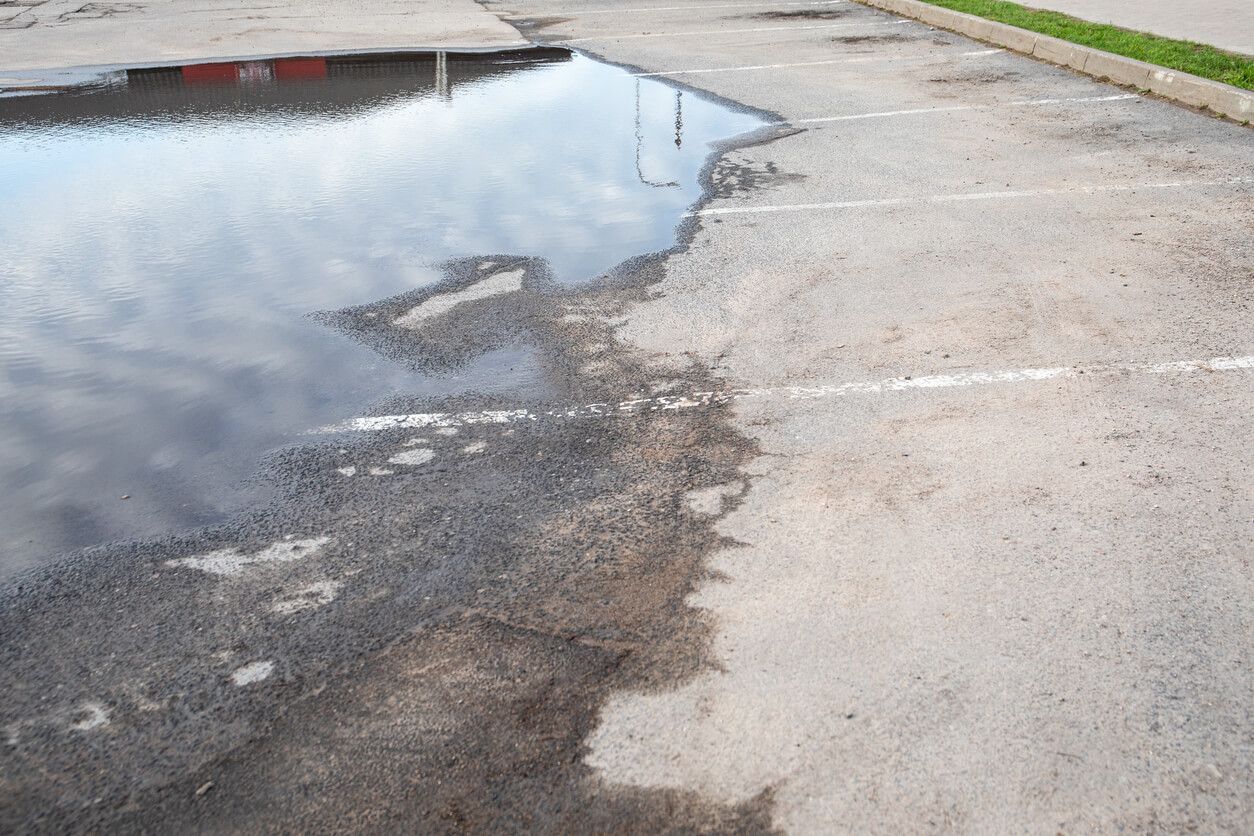
Learn why parking lot drainage problems happen, how water buildup affects asphalt, and which warning signs may point to larger site issues.
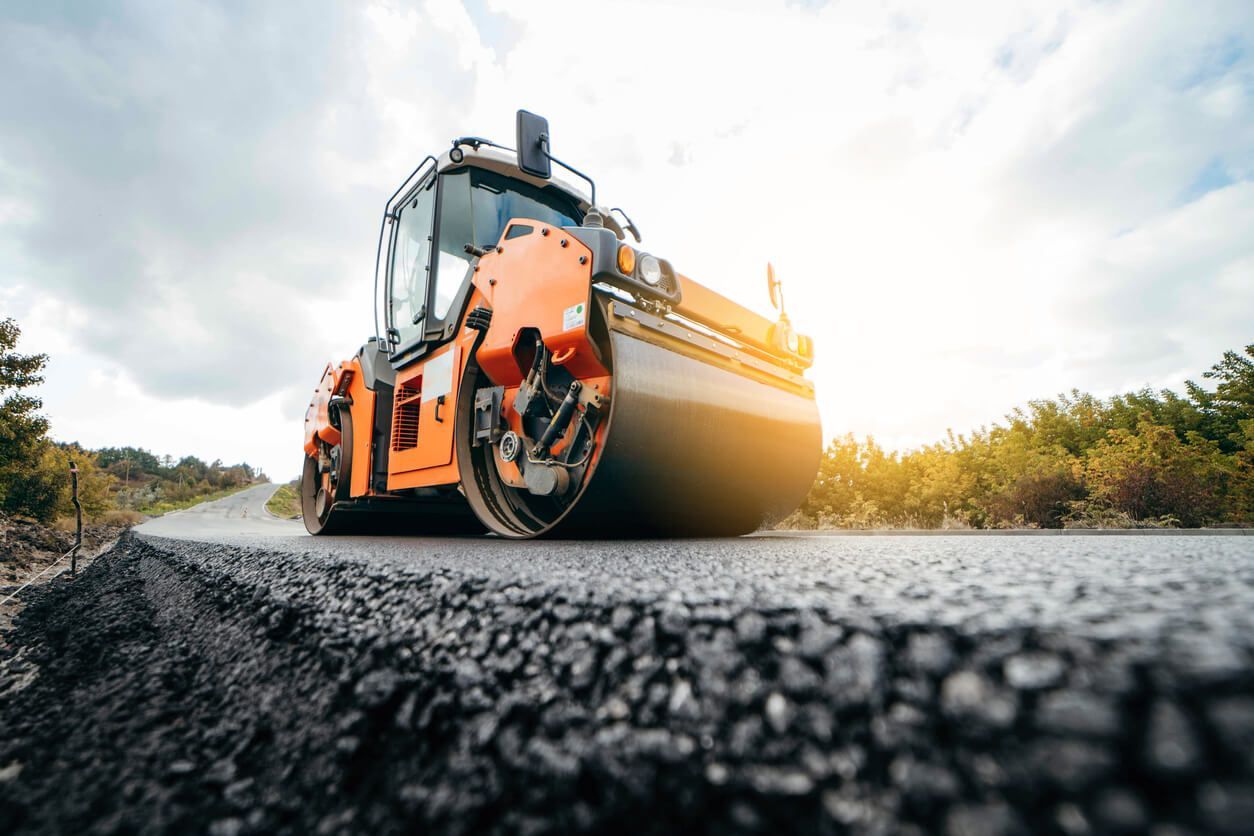
Wondering about asphalt vs blacktop? Learn their key differences and why the right choice depends on how the pavement will be used.

Learn what alligator cracking asphalt is and why it signals structural failure. Discover the common causes for pavement fatigue in San Antonio and South Texas.
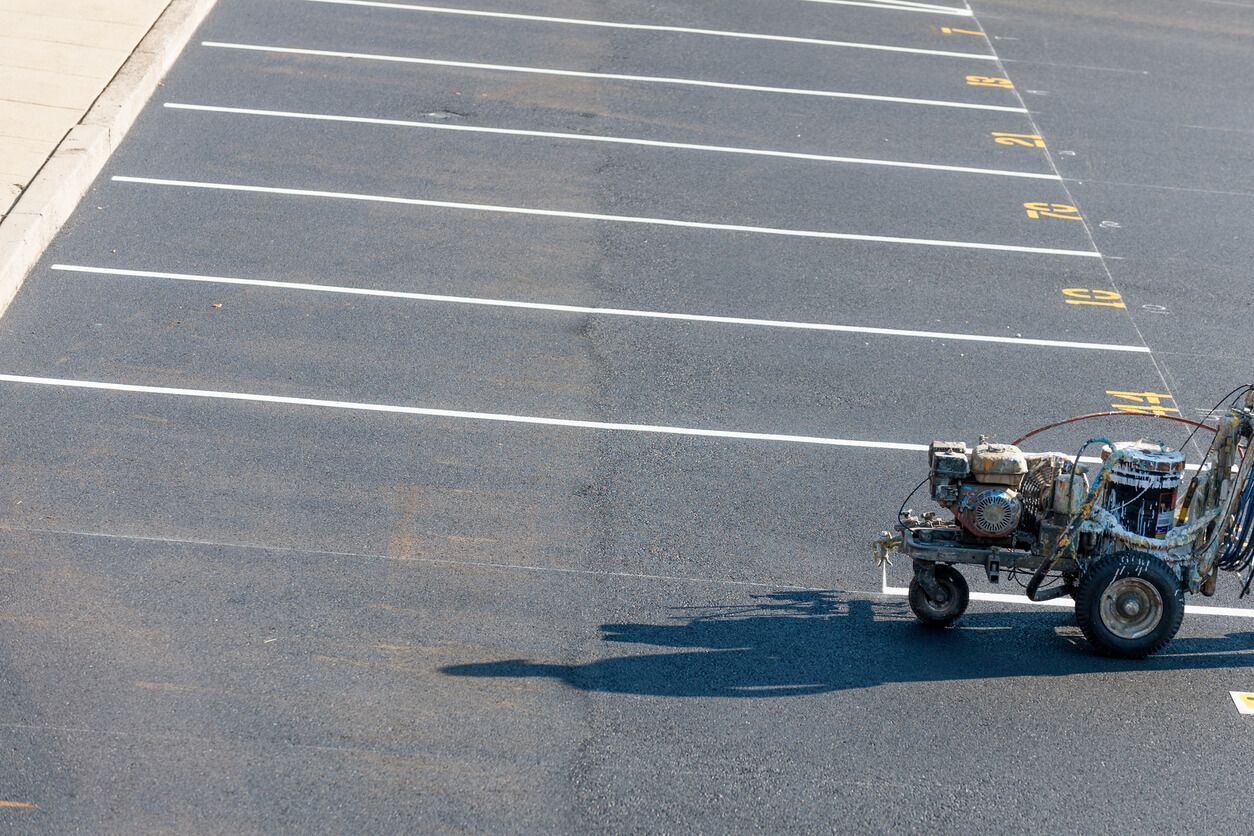
ADA parking striping requirements explained. Learn compliance rules, layouts, fire lanes, and how to keep your lot safe and inspection ready.
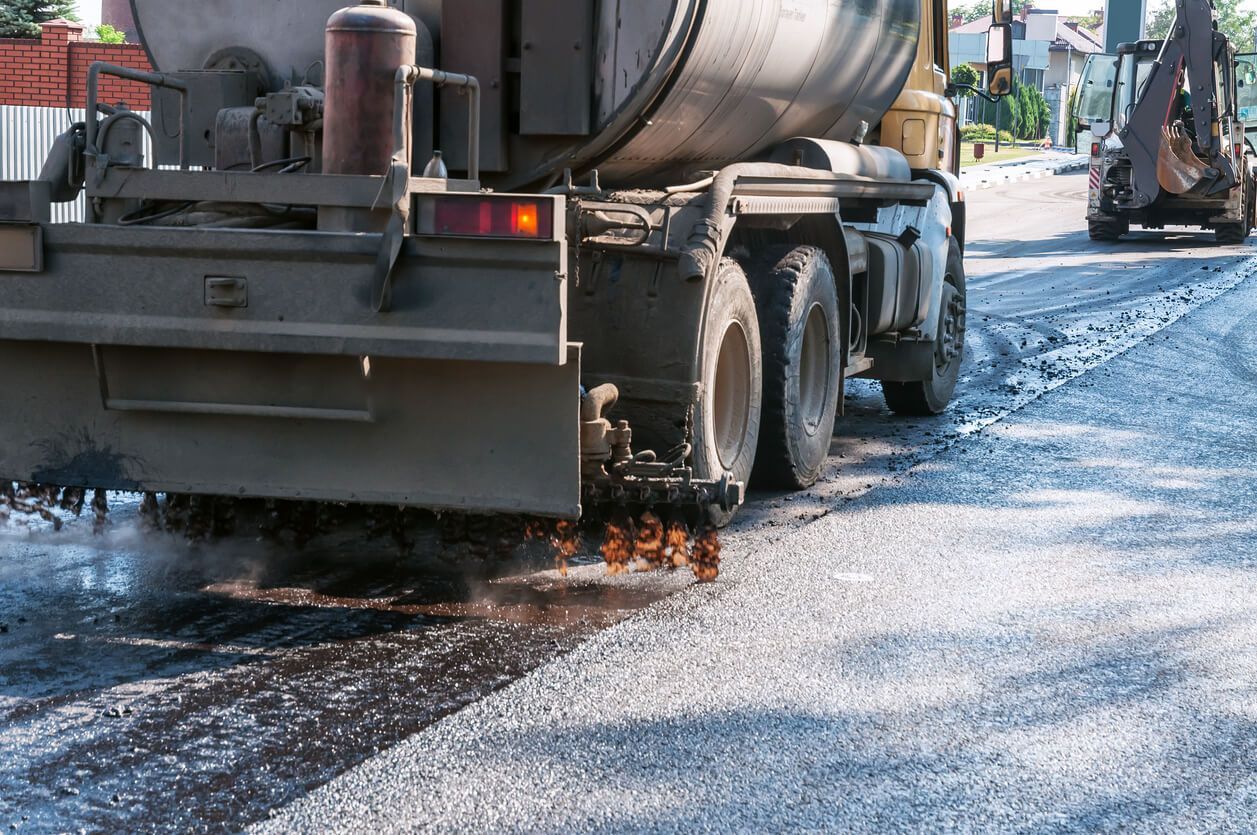
Asphalt sealcoating protects pavement from UV, water, and wear extend surface life, reduce repairs, and keep your property looking clean and professional.
Wondering what an asphalt driveway costs in Texas? Learn the real price ranges for overlays, full replacements, and repairs — plus what affects your final quote. Free estimates available in San Antonio.
Comparing concrete vs asphalt parking lots? See how each material stacks up in cost, lifespan, maintenance, and Texas heat performance. Get expert guidance from Pro-Line Paving in San Antonio.