

210-530-0062
Asphalt Sealcoating: What It Is and Why It Matters for Pavement Longevity
Sino Baduza • May 4, 2026
For most property owners, asphalt is one of those things that only gets attention when it starts falling apart. A few cracks show up. The surface turns gray. Water starts sitting where it used to run off. Then before long, a parking lot that once looked clean and professional starts looking tired, brittle, and expensive.
That is where asphalt sealcoating comes in.
Sealcoating is not just a cosmetic add-on. It is one of the most practical ways to protect asphalt pavement from the slow, steady damage caused by sun, rain, traffic, oil drips, and daily wear. For commercial properties in places like San Antonio and across South Texas, where intense heat and UV exposure are part of life, sealcoating can play a major role in extending pavement life and reducing long-term repair costs.
At Pro-Line Paving, we work with commercial clients who need pavement solutions that last, not short-term patch jobs that look good for a month and fail six months later. Understanding what sealcoating does, when it should be applied, and why it matters can help property managers, business owners, HOAs, and developers make smarter decisions about their asphalt.
What Is Asphalt Sealcoating?
Asphalt sealcoating is a protective coating applied over an asphalt surface to help shield it from damaging elements. Think of it like sunscreen and armor for your pavement at the same time. It does not replace structural repairs, and it is not the same thing as resurfacing, but it adds a protective barrier that helps preserve the surface underneath.
A quality sealcoat is designed to defend asphalt against oxidation, moisture intrusion, automotive fluids, and surface wear. It also restores that rich, dark black finish that makes a parking lot or roadway look newer and better maintained. For commercial properties, that appearance matters more than many people realize. A faded, cracked lot sends one message. A clean, professionally maintained lot sends another.
Sealcoating is often used on commercial parking lots, private roads, drive lanes, HOA streets, and other asphalt surfaces that need ongoing protection. It is especially useful as part of a preventative maintenance plan, where the goal is to preserve pavement before major deterioration takes hold.
It is important to understand one thing clearly: sealcoating is not a fix for deep potholes, alligator cracking, or failed subgrade. If the pavement structure is already compromised, repairs need to come first. But when asphalt is still fundamentally sound, sealcoating can help keep it that way.
Why Asphalt Deteriorates Over Time
Asphalt may be durable, but it is not indestructible. From the day it is installed, the surface begins aging. Sometimes that process is gradual and manageable. Other times, especially in high-traffic or high-heat environments, it speeds up fast.
One of the biggest threats to asphalt is oxidation. Over time, oxygen and UV rays break down the binders in the asphalt, causing the surface to lose flexibility. That is when pavement starts turning from deep black to dull gray. Once it becomes brittle, it is much more likely to crack under pressure.
Water is another major problem. Asphalt is not supposed to act like a sponge, but once small cracks open up, water finds its way in. It seeps below the surface, weakens the base, and creates the conditions for potholes, rutting, and deeper structural damage. Water is patient. It does not need a dramatic opening. A hairline crack is enough to begin causing trouble.
Then there are petroleum products like oil, gasoline, and hydraulic fluid. In commercial parking lots, these spills are common. Those substances can soften and weaken asphalt, especially in areas with repeated traffic and turning movements. Add in heavy vehicles, heat, and poor drainage, and the surface starts breaking down faster than many property owners expect.
In South Texas, the climate adds another layer of stress. The heat can be relentless, and the UV exposure
is no joke. Pavement sits out there day after day, baking under the sun like a cast-iron skillet left on a burner. Without protection, that constant exposure accelerates wear and shortens the life of the asphalt surface.
How Sealcoating Protects Pavement
Sealcoating works by creating a protective layer over the asphalt surface. That layer helps block out UV rays, repel water, and reduce direct contact with chemicals and traffic wear. It is not a magic shield, but it is a very effective line of defense when used at the right time and applied correctly.
One of the biggest benefits is slowing oxidation. Since UV exposure is one of asphalt’s main enemies, reducing that exposure helps the pavement retain flexibility longer. Flexible asphalt is less likely to crack. Less cracking means less water intrusion. Less water intrusion means fewer major repairs down the road. That chain reaction is exactly why preventative maintenance matters.
Sealcoating also improves resistance to moisture. While no coating can make asphalt invincible, a properly sealed surface is better equipped to shed water and reduce penetration through minor surface imperfections. That matters in parking lots and access roads where drainage is critical and standing water can quickly turn into a maintenance headache.
There is also the wear-and-tear factor. Tires grinding through turning zones, delivery vehicles stopping and starting, customers driving in and out all day long, shopping carts, foot traffic, weather swings—these things add up. Sealcoating helps absorb some of that punishment at the surface level, so the asphalt underneath is not taking the full hit every day.
And yes, appearance is part of the equation too. Fresh sealcoating gives asphalt a darker, more uniform look that instantly improves curb appeal. For retail centers, office buildings, apartment complexes, churches, schools, and medical properties, that visual upgrade can make a strong first impression.
The Difference Between Sealcoating and Asphalt Repair
A lot of people confuse sealcoating with asphalt repair, but they serve different purposes.
Sealcoating protects. Repair restores.
If your lot has isolated cracks, potholes, failed edges, drainage issues, or broken sections of pavement, those problems need to be addressed before sealcoating is applied. Putting sealcoat over damaged asphalt is like painting over rotten wood. It may look better for a minute, but the underlying issue is still there.
Crack filling is often done before sealcoating because open cracks allow water to get beneath the pavement. Once those cracks are cleaned and filled, the sealcoat can be applied over a more stable surface. In some cases, patching may also be needed before the lot is ready for sealing.
For more serious wear, asphalt milling and overlay or resurfacing may be the better solution. If the pavement has widespread structural damage, sealcoating alone will not stop the decline. A professional inspection helps determine whether the lot is a good candidate for sealcoating or whether repairs should come first.
This is why experienced contractors matter. A good paving company will not sell sealcoating as a cure-all. They will tell you what the pavement actually needs.
When Should Asphalt Be Sealcoated?
Timing matters with asphalt sealcoating. Apply it too early and the asphalt may not be ready. Wait too long and the surface may already be deteriorating beyond the point where sealcoating can do much good.
For newly paved asphalt, sealcoating is typically recommended after the surface has had time to cure. That timeline can vary depending on weather, traffic, and site conditions, but many asphalt surfaces benefit from their first sealcoat after sufficient curing and stabilization. After that, sealcoating is often recommended every 2 to 3 years, depending on use and exposure.
That said, there is no universal calendar that works for every property. A lightly used private drive is not going to age the same way as a busy commercial parking lot with delivery trucks and nonstop traffic. A shaded area may hold up differently than an open lot exposed to full Texas sun all day.
The better approach is to evaluate pavement condition regularly. If the surface is fading, becoming dry and brittle-looking, or beginning to show minor surface wear, it may be time to schedule sealcoating. The goal is to get ahead of major damage, not scramble after it.
Weather also plays a role in application. Sealcoating needs the right conditions to cure properly. Warm temperatures, low chance of rain, and appropriate humidity levels all matter. That is one reason professional scheduling and site planning are important, especially for commercial properties where access and downtime need to be managed carefully.
Key Benefits of Commercial Asphalt Sealcoating
For commercial properties, sealcoating is not just a maintenance item. It is a cost-control strategy.
The first major benefit is extended pavement life. Replacing asphalt is expensive. Major repairs are disruptive. Sealcoating helps slow the aging process, which can delay the need for more invasive and costly work. In many cases, that preventative step can save property owners significant money over the life of the pavement.
The second benefit is improved appearance. A freshly sealcoated lot looks cleaner, sharper, and more intentional. If you manage a retail center, office property, industrial site, or multifamily complex, that matters. Customers, tenants, and visitors notice the condition of the pavement, even if they never say it out loud.
Another big advantage is easier maintenance. A sealed surface is generally easier to clean and maintain than one that has become dry, porous, and weathered. Dirt, debris, and spills are less likely to settle into a compromised surface. Combined with fresh pavement markings, sealcoating can make a property feel organized and well cared for.
There is also the safety and liability angle. While sealcoating itself is not a substitute for proper repairs, maintaining pavement before it breaks down helps reduce the risk of trip hazards, potholes, and drainage-related issues. A proactive maintenance plan supports both appearance and functionality.
For South Texas businesses, there is one more benefit worth emphasizing: protection from climate stress. The sun here is not gentle. Heat and UV exposure can age asphalt fast. Sealcoating helps create a buffer between the pavement and the environmental beating it takes year-round.
What the Sealcoating Process Typically Looks Like
A proper sealcoating job involves more than just spraying material on the surface and calling it done.
The process usually begins with a site evaluation. The contractor looks at pavement condition, identifies cracks or damaged areas, checks drainage, and determines whether repairs are needed before sealing. This step matters because sealcoating performs best on asphalt that is structurally sound.
Next comes cleaning and preparation. The surface has to be cleared of dirt, debris, dust, and oil spots. If cracks are present, they may need to be filled first. Any potholes or failed sections should be repaired before the sealcoat is applied. Preparation is where a lot of the real quality is built. Skip it, and the final result will not hold up the way it should.
Once the surface is ready, the sealcoat is applied evenly across the pavement. Depending on the project, this may involve spray application, squeegee application, or a combination of methods. The goal is consistent coverage and proper adhesion.
After application, the surface needs time to dry and cure before traffic is allowed back on it. For commercial properties, this often requires careful scheduling to minimize disruption. A professional paving contractor will plan the work in phases when needed, helping businesses stay accessible while protecting the quality of the finished product.
After the sealcoat has cured, pavement striping or marking may be reapplied if needed. This final step helps restore organization, traffic flow, and ADA compliance where applicable.
Why Professional Application Matters
Sealcoating may sound simple on paper, but the difference between a professional job and a rushed one is obvious over time.
Material quality matters. Surface prep matters. Weather timing matters. Application rate matters. Dry time matters. If any of those pieces are handled poorly, the coating may wear prematurely, track, peel, or fail to deliver the protection the pavement needs.
Commercial properties especially need an experienced contractor who understands project logistics, traffic management, and long-term pavement performance. A busy shopping center, office complex, school, or industrial facility cannot afford sloppy scheduling or surface work that fails early.
That is why working with a full-service asphalt contractor matters. At Pro-Line Paving, sealcoating is part of a broader pavement maintenance strategy that may also include repairs, crack filling, striping, milling, overlays, and signage. The advantage of that turnkey approach is simple: the pavement gets what it actually needs, not a one-size-fits-all sales pitch.
Protect Your Asphalt Before Small Problems Become Big Ones
Asphalt usually does not fail all at once. It fades first. Then it dries out. Then the cracks come. Then water gets in. Then the repair bill gets a lot less friendly.
That is why asphalt sealcoating matters. It helps preserve the surface, slow deterioration, improve appearance, and support longer pavement life. For commercial properties in San Antonio and throughout South Texas, where heat, traffic, and weather put asphalt under constant pressure, sealcoating is one of the smartest preventative maintenance services available.
If your parking lot, roadway, or asphalt surface is starting to show signs of wear, now is the time to act before minor issues turn into major repairs. Pro-Line Paving provides professional, turnkey asphalt solutions including sealcoating, asphalt repair, pavement marking, milling, overlays, and new asphalt paving.
Contact
Pro-Line Paving today for a free estimate and let our team help you protect your investment with asphalt maintenance built to last.

HOA paving shouldn't mean budget surprises. Learn how to build a long-term asphalt plan covering maintenance, sealcoating, and repairs.

How long does asphalt last? Explore average lifespan ranges and the main factors that cause asphalt to age, crack, or wear out.
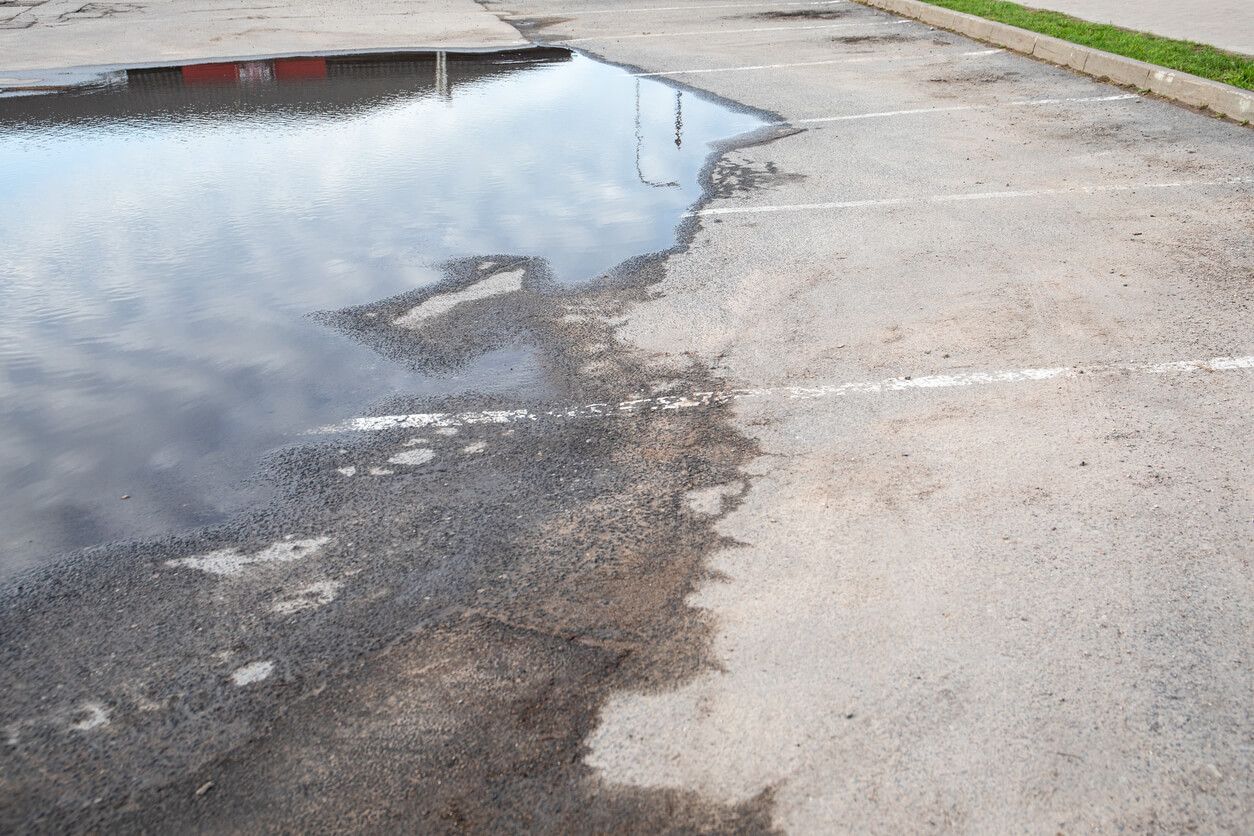
Learn why parking lot drainage problems happen, how water buildup affects asphalt, and which warning signs may point to larger site issues.
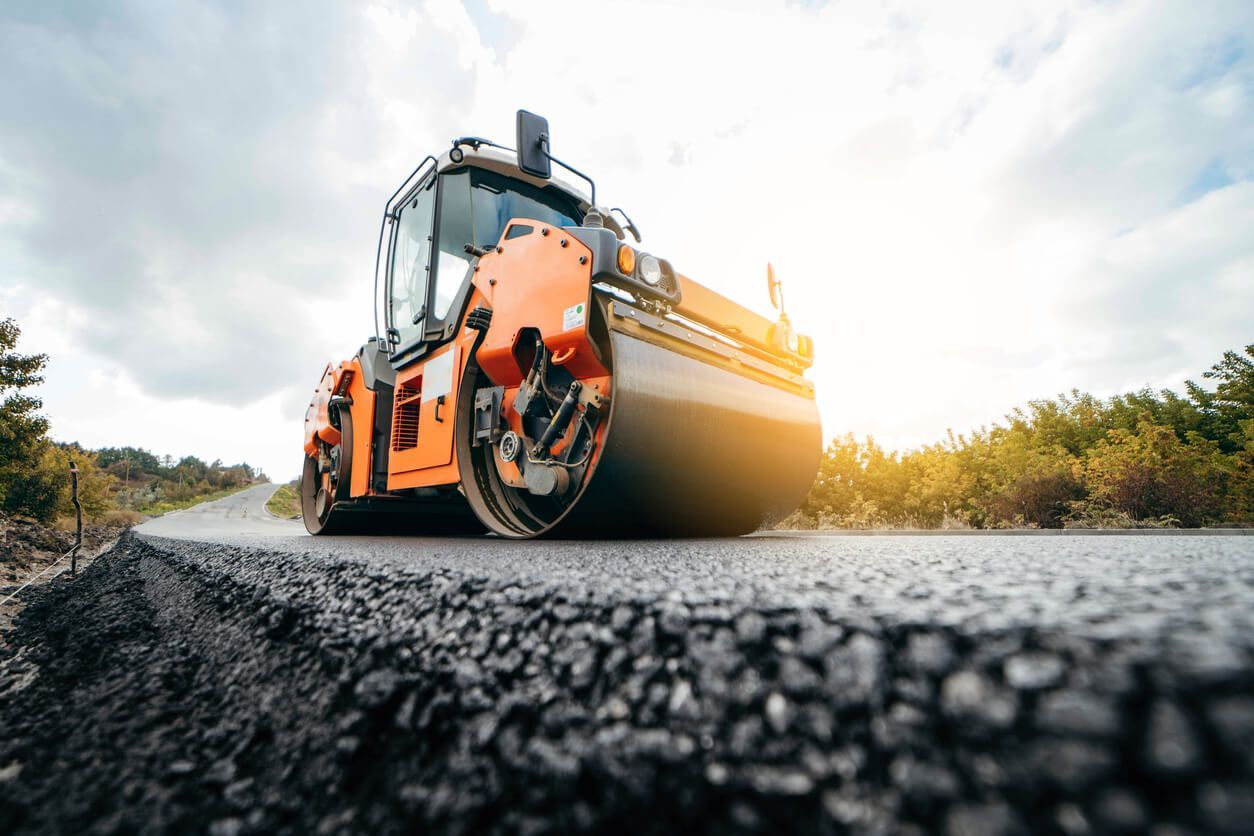
Wondering about asphalt vs blacktop? Learn their key differences and why the right choice depends on how the pavement will be used.

Learn what alligator cracking asphalt is and why it signals structural failure. Discover the common causes for pavement fatigue in San Antonio and South Texas.
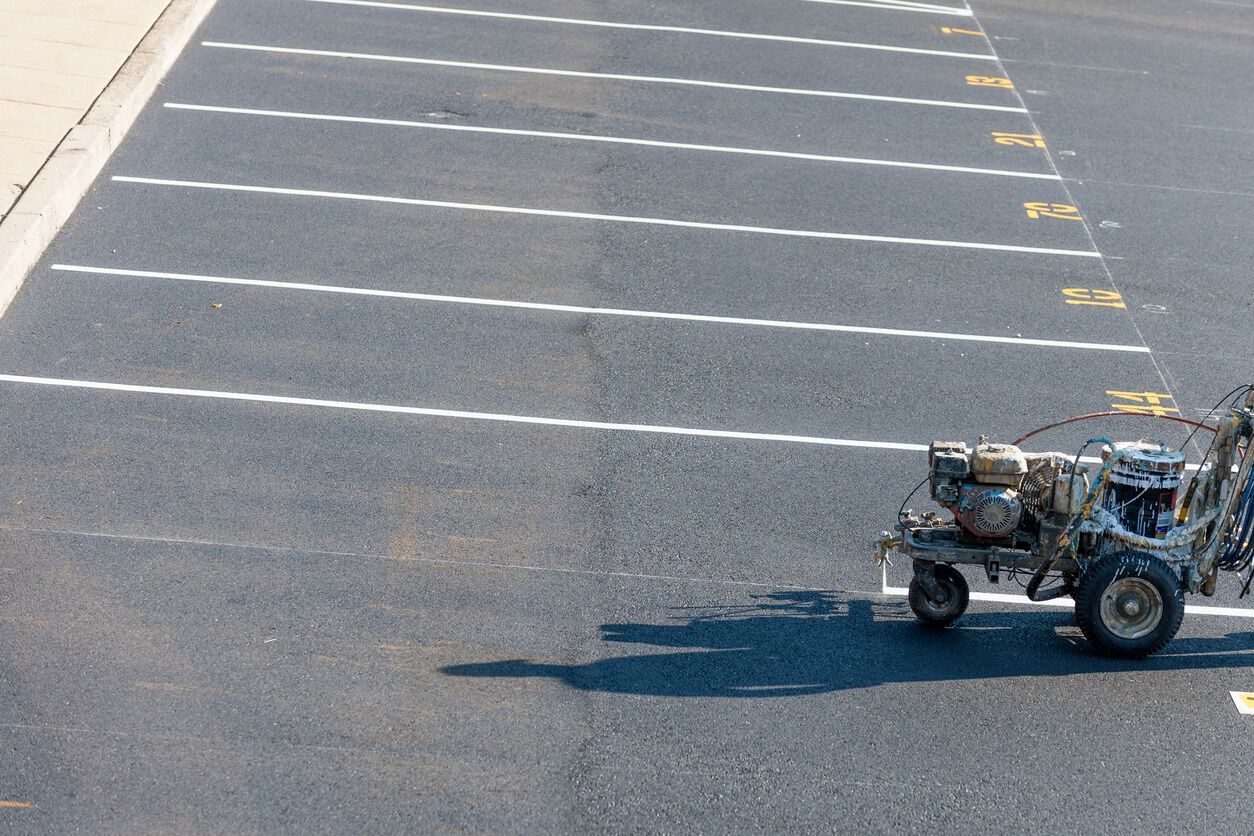
ADA parking striping requirements explained. Learn compliance rules, layouts, fire lanes, and how to keep your lot safe and inspection ready.
Wondering what an asphalt driveway costs in Texas? Learn the real price ranges for overlays, full replacements, and repairs — plus what affects your final quote. Free estimates available in San Antonio.
Comparing concrete vs asphalt parking lots? See how each material stacks up in cost, lifespan, maintenance, and Texas heat performance. Get expert guidance from Pro-Line Paving in San Antonio.
Is your parking lot cracked, rutting, or draining poorly?
Learn the signs that milling and overlay can fix it —
without a costly full replacement. Pro-Line Paving explains.
Learn what asphalt maintenance involves, why it matters, and how regular care like sealing and crack repair helps extend pavement life and performance.