

210-530-0062
HOA Paving: How to Plan a Long-Term Community Asphalt Budget
September 11, 2026
For a homeowners association, pavement is easy to ignore right up until it becomes impossible to ignore. A cul-de-sac starts alligator cracking. A visitor trips near a broken sidewalk panel. Residents begin emailing about potholes, faded fire lanes, rough driveways, and standing water after every storm. Then the board is forced into a rushed decision, and rushed decisions are usually the expensive kind.
That is why hoa paving should never be treated as a one-time capital expense. In San Antonio and Austin, heat, UV rays, heavy rain, and daily vehicle traffic steadily wear down private roads, parking lots, sidewalks, and shared parking areas. The associations that avoid budget shocks are usually the ones that think in cycles, not emergencies.
A long-term pavement plan gives a homeowners association a way to spread costs over time, protect property values, and reduce the chance of a large special assessment that frustrates residents. Instead of waiting until the asphalt fails, the board can map out routine maintenance, crack sealing, sealcoating, pothole repairs, and targeted overlays over a 5-to-10-year window. That approach keeps pavement surfaces safer, better looking, and far less expensive to manage over the full life of the community.
Why hoa paving needs a long-range budget, not a patchwork budget
Many homeowners associations make the same mistake: they budget for visible problems only. If a pothole appears, they patch it. If a resident complains about a rough entrance, they call a contractor. If faded striping becomes a liability issue, they repaint it. Each action feels practical in the moment, but the overall result is fragmented spending without a strategy.
The better model is pavement management. Think of it like maintaining a roof. You do not wait until water pours into the building before acting. You inspect, repair, seal, and replace components at the right time. Asphalt and concrete need the same discipline. With a structured plan, hoa boards can prioritize roads, parking areas, sidewalks, curbs, and lot paving work in the order that delivers the most value.
In fast-growing hoa communities around San Antonio and Austin, this matters even more. Traffic patterns change. Delivery vehicles are heavier. Amenity areas stay busy. Heat expands and softens asphalt surfaces, while sudden rain exposes drainage issues fast. Without proper maintenance, small defects become costly repairs, and costly repairs become full replacement projects years earlier than necessary.
What a 5-to-10-year pavement lifecycle plan should include
A useful lifecycle plan is not just a spreadsheet with a few rough numbers. It should be a working document built around the actual condition of the community’s pavement and concrete surfaces. That means inventorying private streets, cul-de-sacs, parking lots, sidewalks, driveways, curbs, ramps, and any high-traffic parking areas.
The plan should also note age, condition, drainage performance, traffic load, and previous repair history. A paving contractor can help classify sections by urgency: immediate repair, short-term maintenance, medium-term resurfacing, or long-term reconstruction. That gives property managers and board members something far more valuable than a guess. It gives them a roadmap.
Most plans should account for the following categories:
- annual inspections and condition reviews
- crack sealing on an established cycle
- rotating sealcoating schedules
- pothole repairs and localized patching
- asphalt milling and overlay where the base is still sound
- concrete services for sidewalks, curbs, and trip hazards
- drainage solutions for low areas and water drainage failures
- striping updates for fire lanes, parking lots, and traffic control
- contingency funds for isolated failures or storm-related damage
A good plan also separates maintenance from replacement. That distinction matters. Routine maintenance is what preserves the surface. Replacement is what happens after too much time has passed without preservation.
Start with a pavement condition assessment
Before setting a budget, the homeowners association needs a clear picture of what it owns. That sounds obvious, but many communities do not have a current record of where the worst wear actually is. They know the front entrance looks tired. They know one street gets complaints. But they do not know whether the top layer is failing, whether water is getting into the base, or whether certain concrete sidewalks are creating trip hazards.
A condition assessment from an experienced asphalt paving company should document cracking, potholes, rutting, drainage issues, broken curbs, failing sidewalks, and any safety hazards. It should also identify whether the problem is cosmetic, structural, or both. That distinction changes the budget dramatically. A faded but stable surface may need sealcoating and striping. A soft, broken area with extensive damage may require full depth replacement.
This is also the stage where boards should ask practical questions. Which roads carry the heaviest traffic? Which parking lots serve clubhouse or pool areas? Where do residents and guests walk most often? Which sections affect curb appeal the most? A successful project plan begins with honest prioritization, not equal treatment for every square foot.
How scheduled crack sealing prevents bigger failures
Cracks are the first open door to pavement failure. Once water slips into asphalt, the damage accelerates. Heat expands the crack, rain penetrates the surface, and traffic pounds the weakened area until potholes begin to form. In South Texas, that process can move faster than boards expect.
Crack sealing is one of the simplest ways to extend pavement life, but timing matters. If done early, it blocks water intrusion and slows further damage. If delayed too long, the crack network spreads and the association ends up paying for larger potholes, broader patching, or premature overlays. For many homeowners associations, this is the maintenance item that delivers the clearest return on investment.
A practical long-term plan should schedule crack sealing before cracks become a map of the whole street. Think of it as stitching a tear before the entire seam opens. It is not glamorous work, but it is the kind of disciplined maintenance that keeps a community from bleeding money later.
Build a rotating sealcoating cycle across the community
Sealcoating is often misunderstood as a cosmetic add-on, but it does more than improve appearance. It helps protect asphalt from oxidation, traffic wear, oil drips, and UV rays. It also refreshes the dark, uniform look of the surface, which enhances curb appeal at entries, parking areas, and internal roads.
For large hoa communities, sealcoating usually works best as a rotating cycle rather than a one-time community-wide event. Instead of trying to coat every road and lot paving area in one year, the association can divide the property into phases. That spreads cost, makes scheduling easier, and helps minimize disruption for residents.
This phased approach is especially useful where the community includes both roads and parking lots, plus shared parking areas near amenities. One year may focus on entrance drives and high-visibility sections. The next may address rear parking areas or lower-volume streets. Over time, the association maintains a well maintained appearance without creating a single oversized budget spike.
When targeted overlays make more sense than full replacement
Not every aging road needs to be torn out. If the foundation remains stable, asphalt milling and overlay can restore the driving surface at a lower cost than full replacement. Milling removes the worn top layer, and the new surface is installed over the prepared base. For communities with surface wear but limited structural failure, this can be the sweet spot between patchwork repairs and complete reconstruction.
This is where an experienced paving contractor earns their keep. A good contractor does not recommend the biggest job by default. They evaluate whether the asphalt surfaces are candidates for milling, whether drainage can be corrected, and whether isolated failures should be repaired before overlay work begins. In some cases, spot repairs combined with asphalt milling can preserve the road for years.
For a homeowners association, targeted overlays are often the tool that prevents a budget crisis. Instead of waiting until a whole street needs full replacement, the board can resurface selected sections at the right time. That protects the base, improves safety, and delivers a new surface without the price tag of rebuilding everything at once.
Do not forget concrete services in the pavement budget
A community budget focused only on asphalt misses half the picture. Asphalt and concrete work together in most neighborhoods. Sidewalks, curbs, dumpster pads, ramps, and certain driveways all affect safety, drainage, and appearance. If those concrete elements fail, they can create trip hazards, poor water drainage, and resident complaints even when the road itself is in decent shape.
That is why concrete services should be part of the same long-range plan. Concrete installation may be needed for broken sidewalks, damaged curb returns, or sections where root intrusion has lifted the slab. In some cases, asphalt and concrete repairs should be coordinated so grades align and proper drainage is restored.
Communities that budget for asphalt and concrete together usually make better decisions. They avoid the common problem of resurfacing a road only to discover later that the adjacent sidewalks, catch basins, or curbs are still causing drainage issues. Good pavement management is not just about a blacktop surface. It is about how all hardscape surfaces function as a system.
Parking lots, fire lanes, and common areas need their own schedule
Even when a neighborhood is mostly private roads and cul-de-sacs, common-area parking lots often deteriorate faster. Pool lots, clubhouse lots, mail kiosk areas, and visitor parking zones see turning movements, braking, and concentrated traffic. That stress can lead to potholes, larger potholes, oil staining, and faster surface wear.
Parking lot paving and lot paving maintenance should be scheduled separately from road maintenance because the usage pattern is different. Parking lots also carry liability concerns tied to striping visibility, ADA access, fire lanes, and pedestrian movement. Faded markings, rough surfaces, and broken sidewalks near parking lots can create safety concerns quickly.
Boards should also include items like speed bumps, directional markings, and signage in the plan. These are easy to postpone, but they shape traffic flow and safety in real ways. A community that keeps common areas well maintained sends a message to residents, guests, and property owners that standards are being upheld. It also enhances curb appeal in the places people notice first.
How to phase paving projects without frustrating residents
Residents rarely object to good work. They object to surprise, inconvenience, and poor communication. One of the smartest things a homeowners association can do is phase paving projects with clear timelines and visible logic. If the board explains why one section is being repaired now and another is scheduled next year, residents are more likely to understand the plan.
This is another reason to work with a paving partner that understands occupied communities. HOA paving is not the same as paving an empty industrial yard. The contractor has to minimize disruption, maintain access, coordinate around trash pickup and school traffic, and communicate staging clearly. In apartment complexes and residential communities, poor scheduling can create more frustration than the work itself.
A practical phasing plan might schedule one cul-de-sac at a time, complete parking lot paving in low-use periods, or coordinate concrete services and striping in the same mobilization window. The goal is to keep the community functioning while moving steadily through the larger plan.
What to look for in a paving contractor for HOA work
Not every paving contractor is built for HOA work. A community project requires technical knowledge, yes, but it also requires patience, communication, and planning discipline. Boards and property managers should look for a contractor with a strong project portfolio, experience in hoa communities, and the ability to handle asphalt and concrete scopes together.
Ask how they approach site preparation, drainage solutions, pothole repairs, overlays, sidewalks, and lot paving sequencing. Ask whether they can identify where full depth replacement is actually needed and where a less invasive option will work. Ask how they protect residents, maintain safety, and keep clear timelines during active work.
An established asphalt paving company should be able to explain the difference between maintenance, resurfacing, and reconstruction in plain language. They should also be able to help the association build a multiyear budget instead of simply quoting the immediate problem. That kind of strategic thinking is what turns a vendor into a real paving partner.
A sample 10-year budgeting approach for HOA boards
Every community is different, but many homeowners associations can build a stable budget using a rolling schedule. Years 1 and 2 may focus on inspections, crack sealing, pothole repairs, drainage corrections, and concrete services for sidewalks or curbs. Years 3 through 5 may include seal coating for selected roads and parking areas, plus striping refreshes and isolated patching.
Years 5 through 7 may bring targeted asphalt milling and overlay work for streets showing surface wear but not base failure. Years 8 through 10 may reserve funds for larger paving projects, selective full replacement, or full depth replacement in the few areas where extensive damage has finally made preservation uneconomical. Throughout the cycle, regular inspections help the board adjust based on actual conditions.
This kind of framework helps smooth costs over time. It also protects resident satisfaction because the board is not lurching from one emergency to another. Instead of imposing a sudden special assessment after years of neglect, the community can fund maintenance in a predictable way, preserve property values, and keep surfaces safer and more attractive year after year.
Why proactive pavement management protects the whole community
Well maintained pavement does more than look good. It supports safety, reduces liability, protects vehicles from damage vehicles can suffer in broken lots and roads, and reinforces the sense that the community is cared for. That matters to residents, buyers, board members, and property managers alike.
It also protects the budget. A homeowners association that invests in proper maintenance at the right intervals can often avoid the steep jump from minor repair costs to full replacement. That is the real value of long-term planning. It turns pavement from a recurring headache into a manageable asset.
In San Antonio and Austin, where weather and traffic put steady pressure on asphalt and concrete surfaces, the smartest associations are the ones that act early. They inspect. They schedule. They preserve. And when the time comes for larger paving projects, they are ready for them.
If your community needs a comprehensive guide for planning private road, parking lots, sidewalks, and common-area maintenance, the right contractor can help you assess current conditions and build a realistic multiyear strategy. HOA paving works best when it is treated not as an emergency response, but as a long-term investment in the life, safety, and curb appeal of the community.
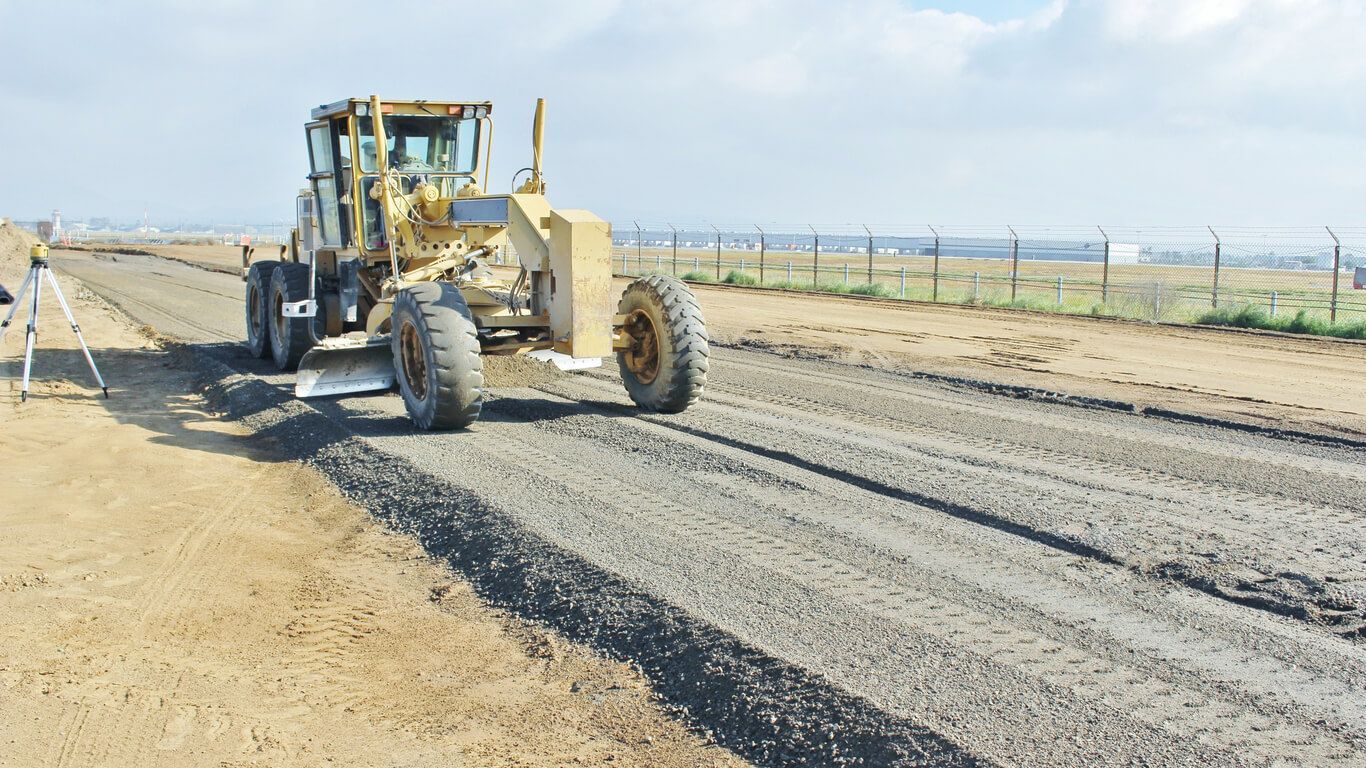
Asphalt subgrade preparation decides whether pavement lasts. Proper compaction, moisture control, and stabilization prevent ruts and cracks in South Texas.
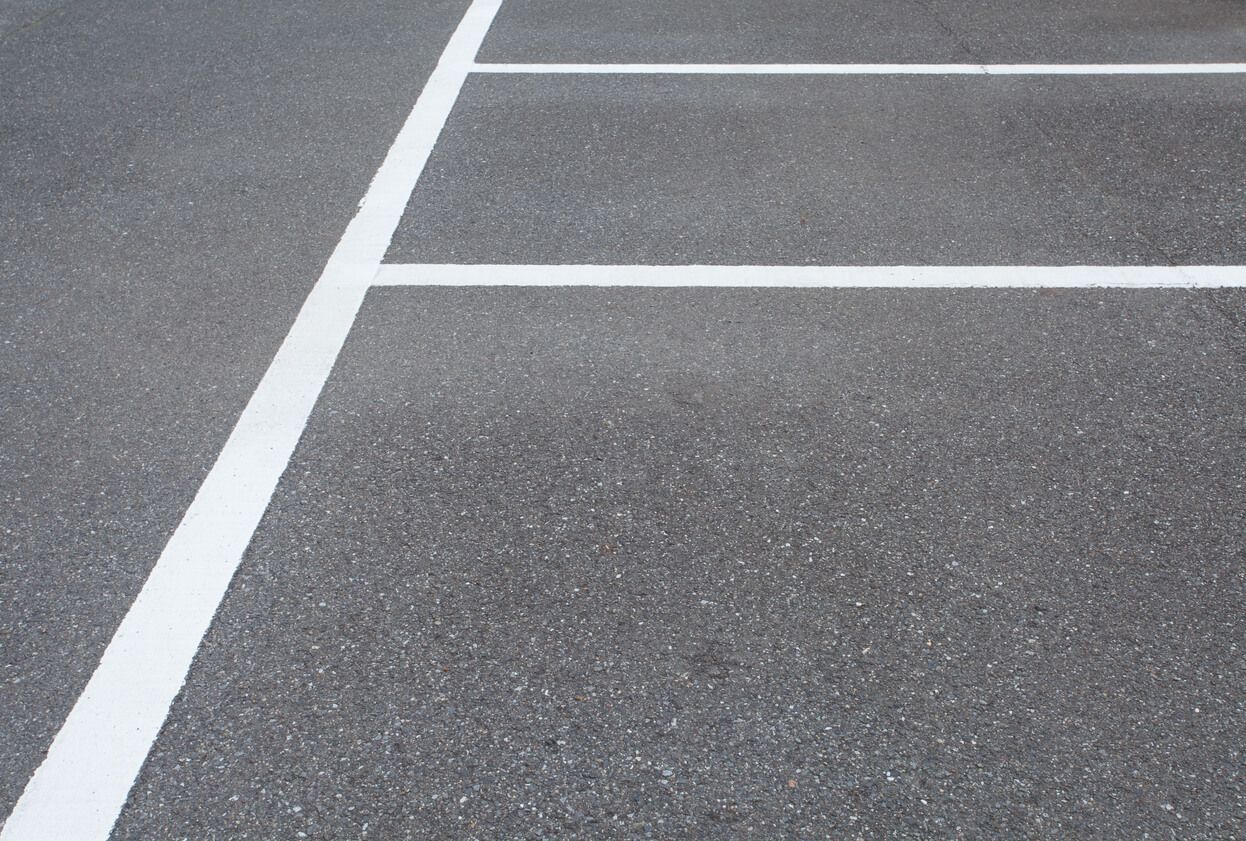
What is seal coating a driveway? Learn how sealcoat shields asphalt from sun, water, and oil, coal tar vs. emulsion sealers, and when it’s time to reseal.
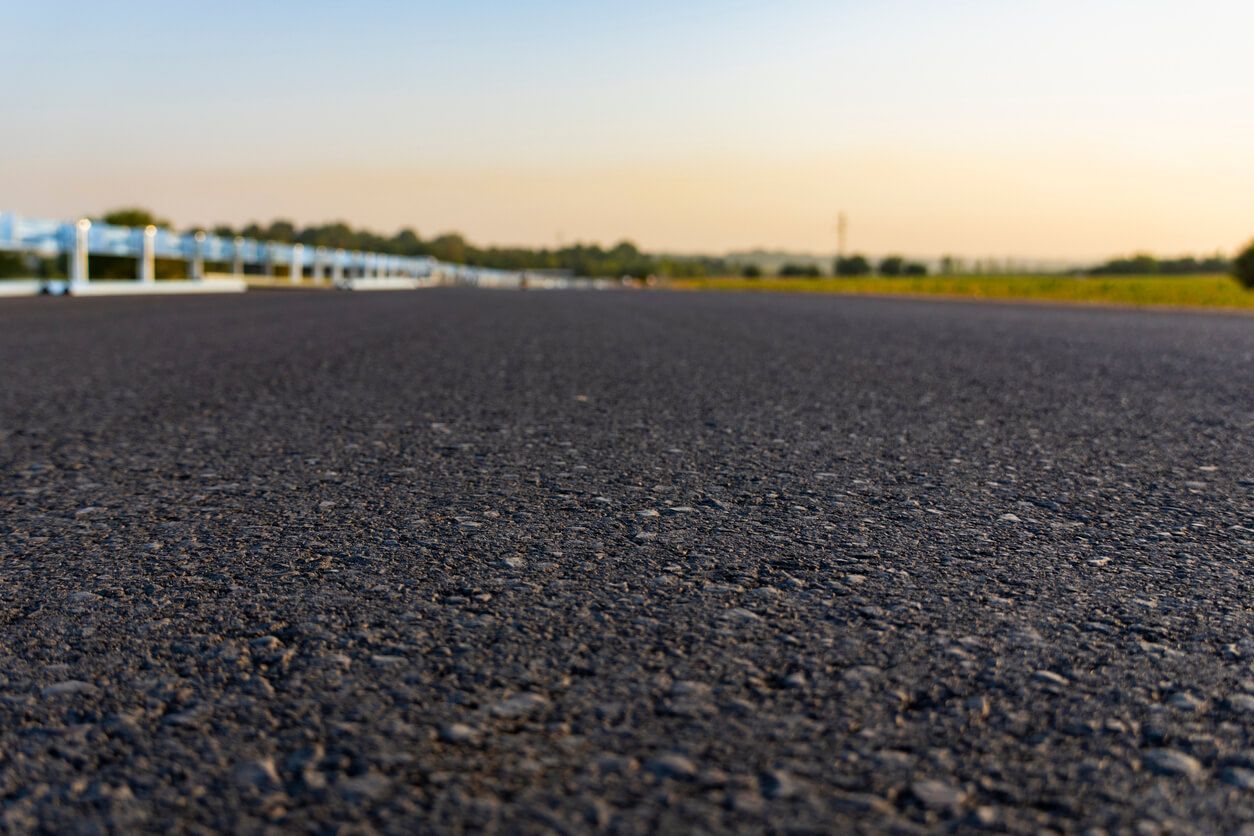
How long does asphalt last? Explore average lifespan ranges and the main factors that cause asphalt to age, crack, or wear out.
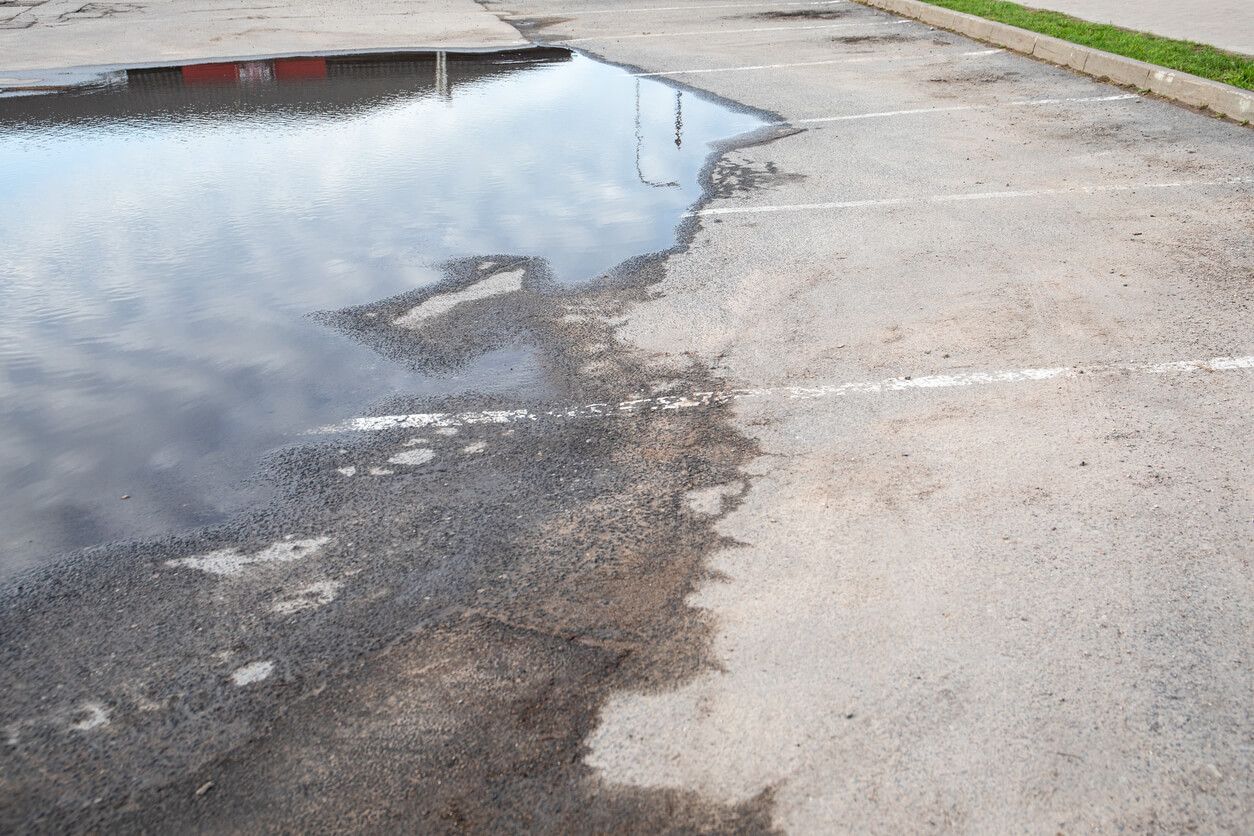
Learn why parking lot drainage problems happen, how water buildup affects asphalt, and which warning signs may point to larger site issues.

Wondering about asphalt vs blacktop? Learn their key differences and why the right choice depends on how the pavement will be used.

Learn what alligator cracking asphalt is and why it signals structural failure. Discover the common causes for pavement fatigue in San Antonio and South Texas.
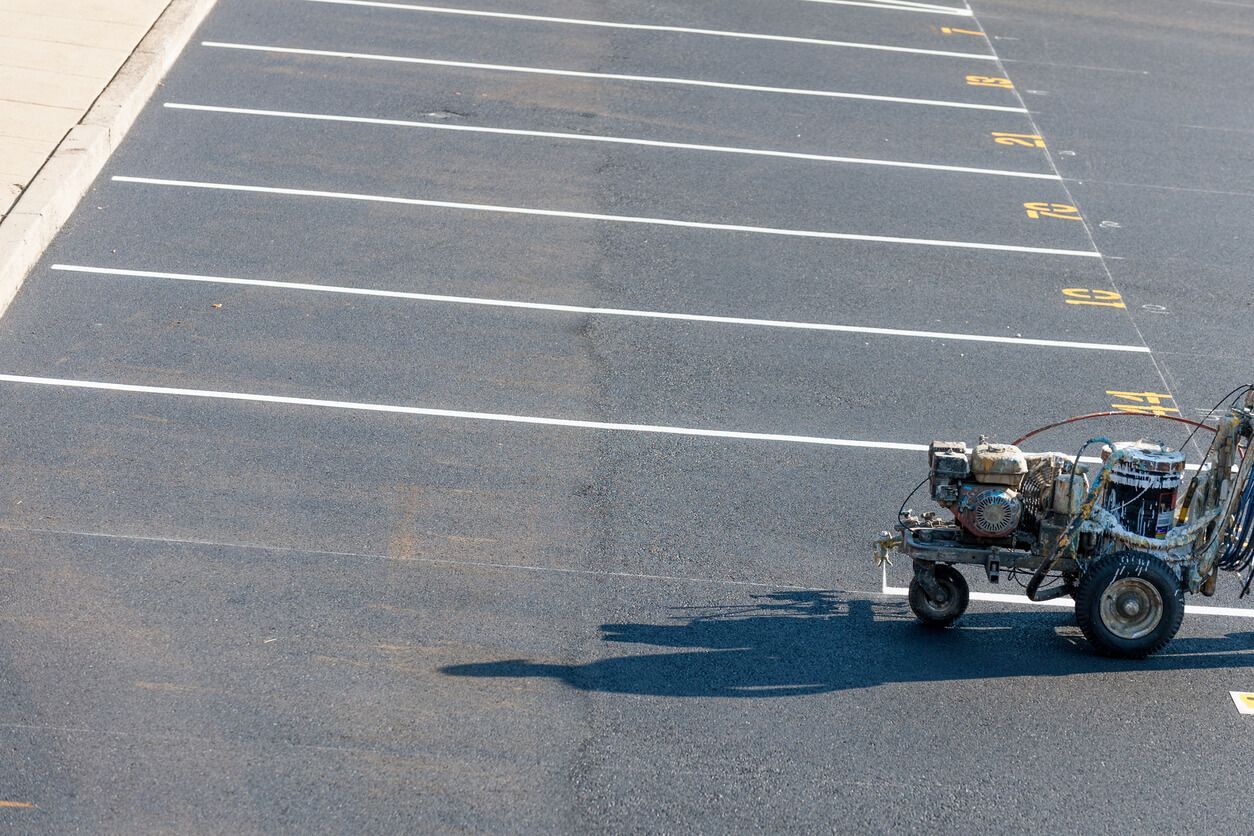
ADA parking striping requirements explained. Learn compliance rules, layouts, fire lanes, and how to keep your lot safe and inspection ready.
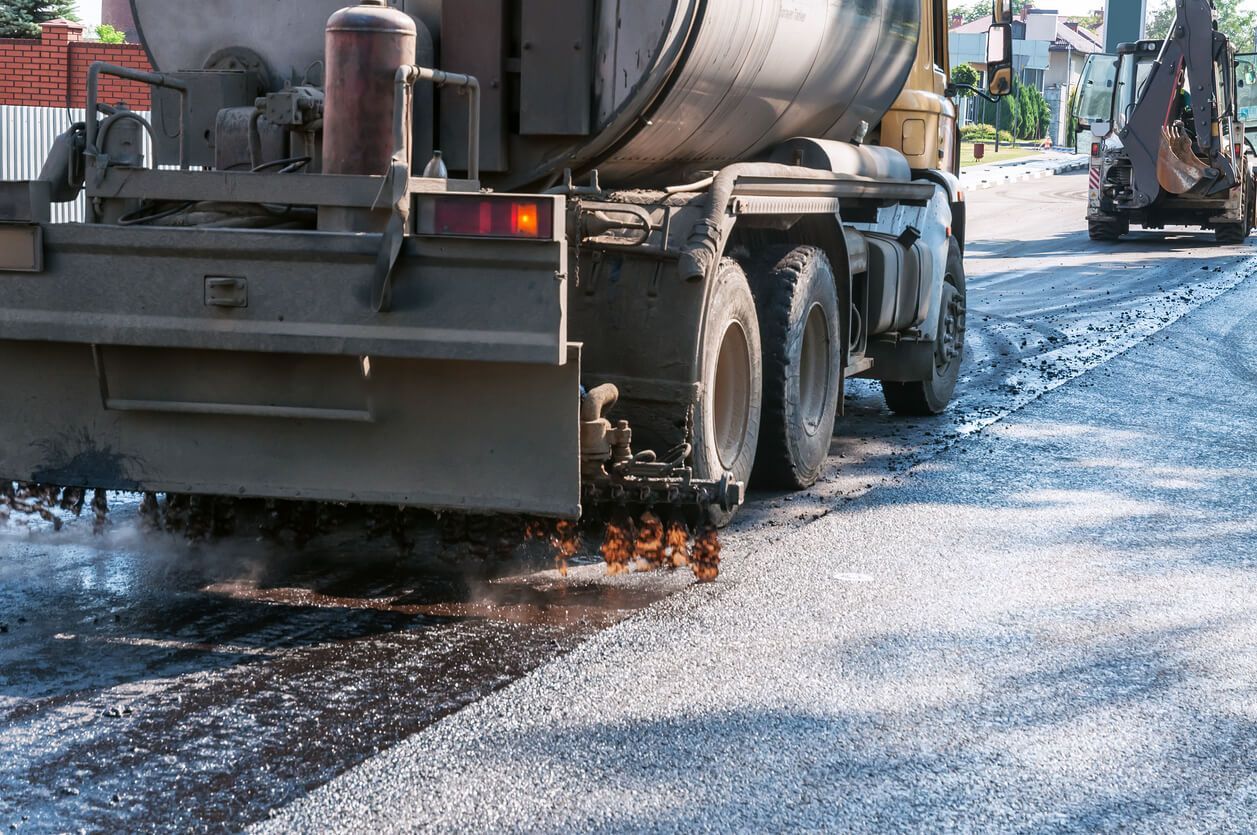
Asphalt sealcoating protects pavement from UV, water, and wear extend surface life, reduce repairs, and keep your property looking clean and professional.
Wondering what an asphalt driveway costs in Texas? Learn the real price ranges for overlays, full replacements, and repairs — plus what affects your final quote. Free estimates available in San Antonio.
Comparing concrete vs asphalt parking lots? See how each material stacks up in cost, lifespan, maintenance, and Texas heat performance. Get expert guidance from Pro-Line Paving in San Antonio.