

210-530-0062
Concrete vs Asphalt Parking Lots: Long-Term Cost, Durability, and Maintenance Compared
Sino Baduza • April 29, 2026
Choosing the right material for a parking lot is one of the most significant decisions property owners face. The choice between concrete and asphalt affects everything from upfront installation costs to long-term maintenance requirements, durability in local climate conditions, and overall appearance.
Both materials have proven track records in commercial applications, but they perform differently under varying conditions. Understanding these differences helps you make an informed decision that aligns with your budget, timeline, and property goals.
Initial Installation: Cost and Timeline
Asphalt typically costs less upfront than concrete. The material itself is less expensive, and installation moves faster because asphalt cures quickly, most parking lots are ready for traffic within 24 to 48 hours after paving.
Concrete installation takes longer and costs more initially. The material requires several days to cure properly before vehicles can use the surface. However, this higher upfront investment can pay off over time through lower maintenance requirements.
For businesses that need a parking lot operational quickly, asphalt offers a practical advantage. For property owners planning long-term and willing to wait through the curing process, concrete's durability may justify the additional time and cost.
Durability and Lifespan
Asphalt parking lots typically last 20 to 30 years with proper maintenance. The flexible nature of asphalt allows it to handle minor ground movement without cracking, which makes it suitable for areas with freeze-thaw cycles. Regular seal coating protects the surface from UV damage, water penetration, and chemical spills.
Concrete parking lots can last 30 to 40 years or longer. The rigid structure resists wear from heavy traffic and doesn't soften in high temperatures. However, concrete is more prone to cracking from ground movement and freeze-thaw cycles, particularly in regions with harsh winters.
Both materials can deliver decades of service when installed correctly and maintained according to manufacturer recommendations.
Maintenance Requirements
Asphalt requires proactive maintenance to extend its lifespan. Seal coating every 2 to 3 years protects the surface from oxidation and water damage. Crack filling and pothole repairs address minor issues before they worsen. With regular care, asphalt maintains its functionality and appearance over time.
Concrete demands less frequent maintenance overall. Joint sealing prevents water intrusion, and periodic cleaning keeps the surface presentable. When damage does occur, concrete repairs can be more complex and expensive than asphalt repairs.
Pro-Line Paving offers asphalt repair and seal coating services throughout the San Antonio area to help commercial property owners protect their investment.
Climate Considerations
Texas heat affects both materials differently. Asphalt absorbs heat and can soften during extreme summer temperatures, potentially leading to rutting in areas with heavy vehicle traffic or prolonged standing loads. The dark surface also contributes to higher ambient temperatures around the property.
Concrete reflects more sunlight and stays cooler in hot weather. It maintains its structural integrity even when temperatures exceed 100 degrees, making it a practical choice for regions with intense summer heat.
In areas with cold winters, asphalt handles freeze-thaw cycles better than concrete. The flexible nature of asphalt allows for some expansion and contraction without cracking, while concrete's rigidity can lead to surface damage when water freezes in joints or cracks.
Appearance and Design Flexibility
Concrete offers more design options. Colored concrete, stamped patterns, and textured finishes create visual interest and enhance curb appeal. These customization options make concrete popular for high-visibility commercial properties where aesthetics matter.
Asphalt provides a clean, uniform appearance in dark gray or black. While it lacks the design flexibility of concrete, its smooth finish and crisp line striping create a professional look that suits most commercial applications.
Environmental Impact
Modern asphalt is highly recyclable. When a parking lot reaches the end of its lifespan, the material can be milled and reused in new projects. Permeable asphalt options allow water to drain through the surface, reducing runoff and helping with stormwater management.
Concrete production requires significant energy, though the material's long lifespan offsets some environmental impact. Concrete's lighter color can help reduce the urban heat island effect compared to dark asphalt surfaces.
Repair and Resurfacing
Asphalt repairs are straightforward and cost-effective. Minor cracks and potholes can be filled quickly, and when the surface wears down, asphalt milling and overlay removes the top layer and applies fresh asphalt. This process restores the parking lot without disturbing the stable base layers.
Concrete repairs require more precision. Damaged sections often need full replacement rather than simple patching. Matching the color and texture of new concrete to existing sections can be challenging, potentially leaving visible repair marks.
Which Material Works Best for Your Property?
Consider asphalt if you need a cost-effective solution with a shorter installation timeline. Asphalt works well for properties where regular maintenance fits into operational budgets and where design flexibility is less critical than functionality.
Consider concrete if long-term durability and minimal maintenance appeal to you, and your budget accommodates the higher initial investment. Concrete suits properties in hot climates where heat resistance matters, or where aesthetic customization aligns with branding goals.
Pro-Line Paving handles both asphalt and concrete projects across San Antonio and the surrounding areas, including Spring Branch, Bulverde, San Marcos, and Kyle. With over 30 years of experience and a complete turnkey approach, the company provides commercial asphalt paving solutions tailored to each property's specific needs.
Making the Right Choice for Your Business
The decision between concrete and asphalt parking lots depends on your priorities. Budget, timeline, climate, maintenance capacity, and aesthetic goals all play a role in determining which material serves your property best.
Both concrete and asphalt parking lots can deliver decades of reliable service when installed by experienced professionals using quality materials. The key is matching the material to your specific circumstances and committing to the maintenance schedule that keeps your parking lot safe and functional for years to come.

The body content of your post goes here. To edit this text, click on it and delete this default text and start typing your own or paste your own from a different source.
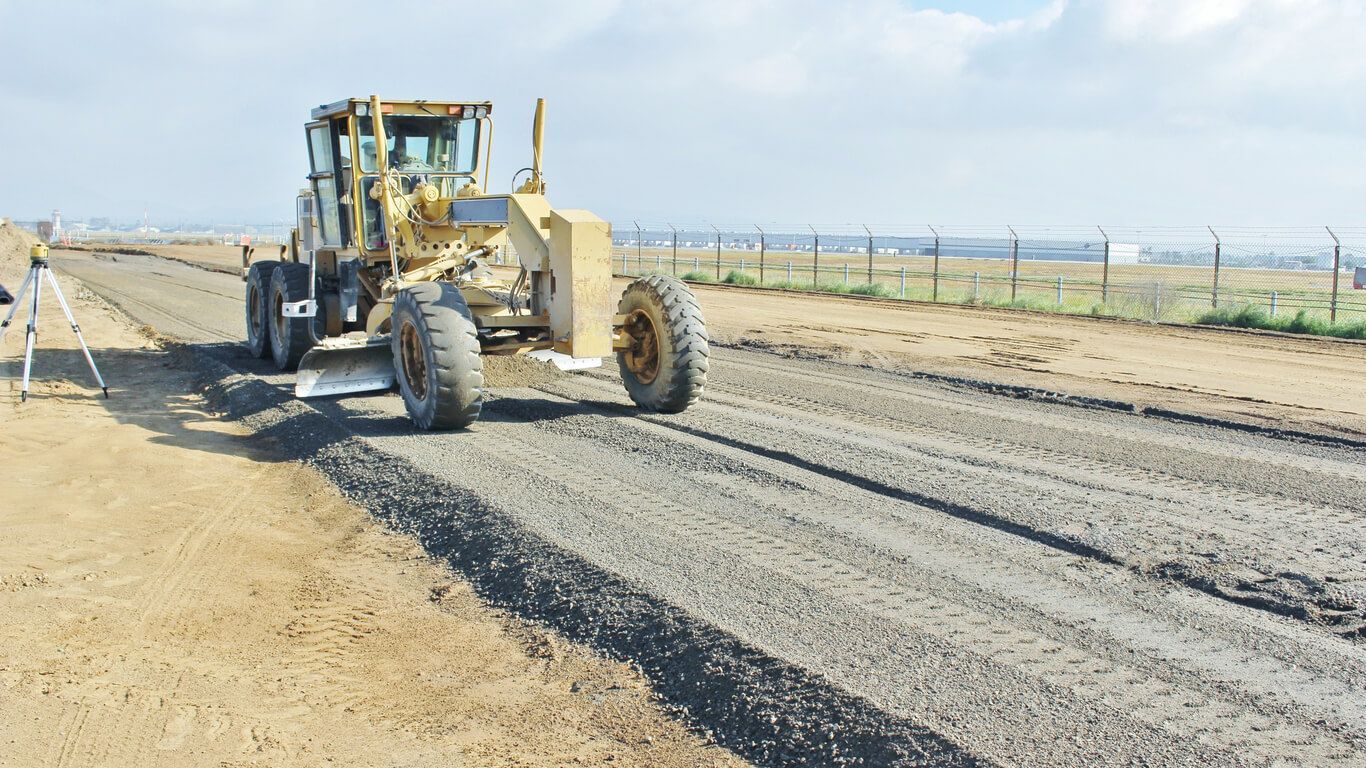
Asphalt subgrade preparation decides whether pavement lasts. Proper compaction, moisture control, and stabilization prevent ruts and cracks in South Texas.
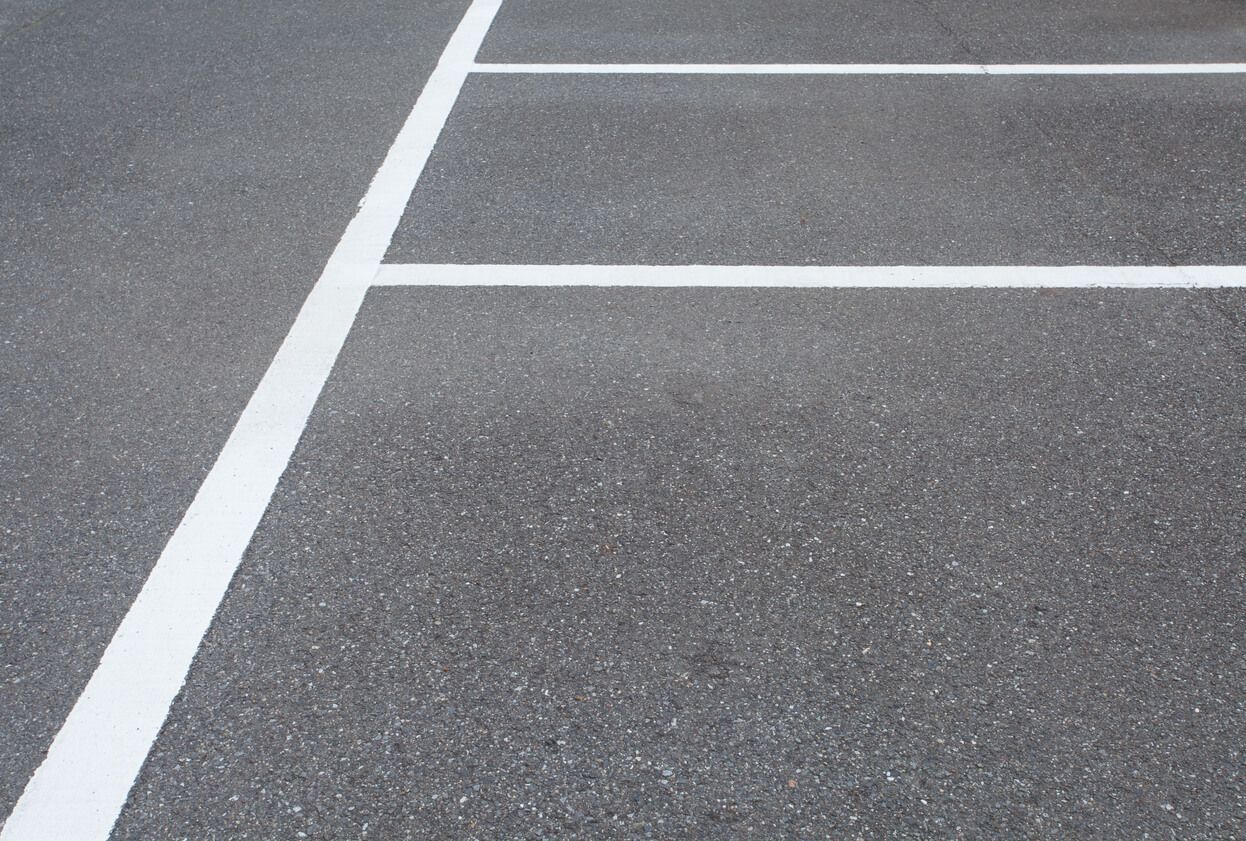
What is seal coating a driveway? Learn how sealcoat shields asphalt from sun, water, and oil, coal tar vs. emulsion sealers, and when it’s time to reseal.
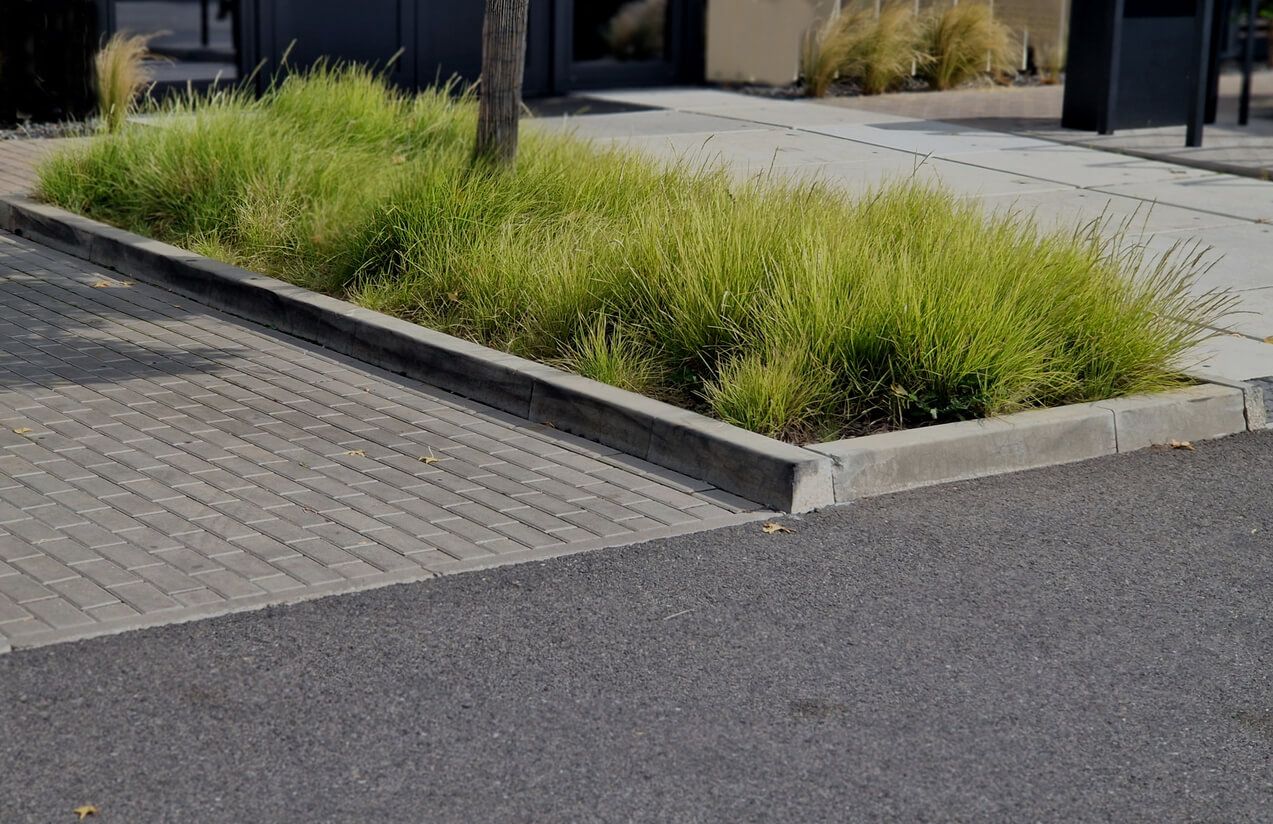
HOA paving shouldn't mean budget surprises. Learn how to build a long-term asphalt plan covering maintenance, sealcoating, and repairs.
How long does asphalt last? Explore average lifespan ranges and the main factors that cause asphalt to age, crack, or wear out.
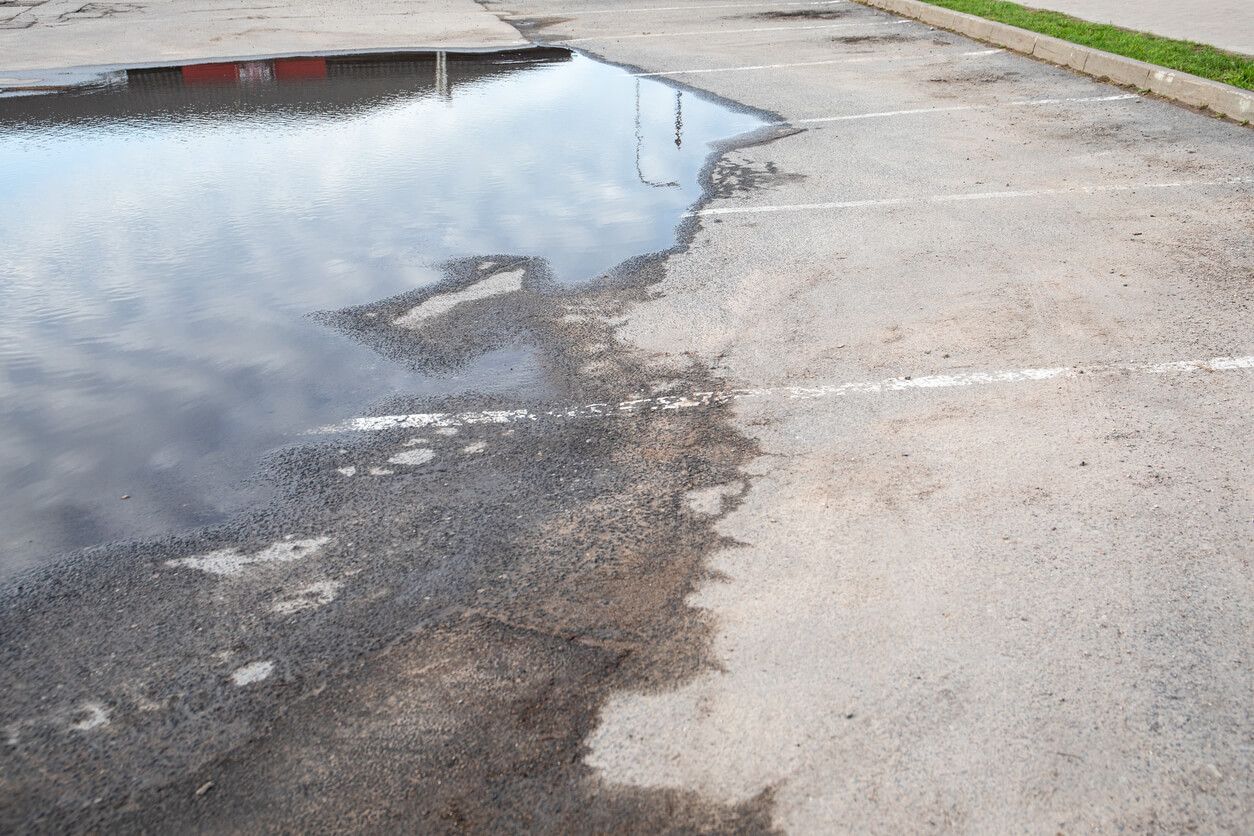
Learn why parking lot drainage problems happen, how water buildup affects asphalt, and which warning signs may point to larger site issues.
Wondering about asphalt vs blacktop? Learn their key differences and why the right choice depends on how the pavement will be used.
Learn what alligator cracking asphalt is and why it signals structural failure. Discover the common causes for pavement fatigue in San Antonio and South Texas.
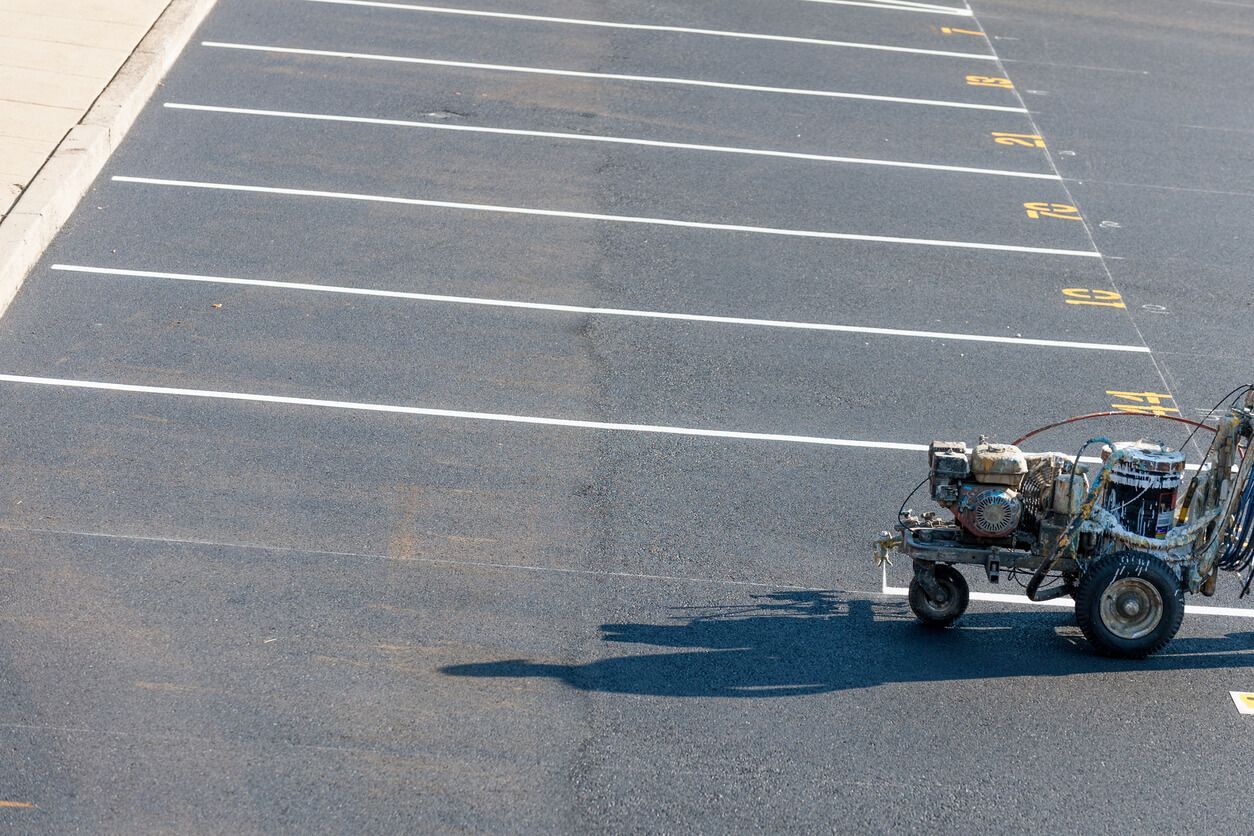
ADA parking striping requirements explained. Learn compliance rules, layouts, fire lanes, and how to keep your lot safe and inspection ready.
Asphalt sealcoating protects pavement from UV, water, and wear extend surface life, reduce repairs, and keep your property looking clean and professional.
Wondering what an asphalt driveway costs in Texas? Learn the real price ranges for overlays, full replacements, and repairs — plus what affects your final quote. Free estimates available in San Antonio.