

210-530-0062
Alligator Cracking Asphalt: What It Is & What Causes It
Sino Baduza • May 6, 2026
If your pavement has started to look like a patchwork of scales or a dried-up riverbed, you may be dealing with alligator cracking asphalt. It is one of the clearest warning signs that asphalt is no longer just showing cosmetic wear. In most cases, it points to a deeper structural problem that needs attention before the surface gets worse, more expensive to fix, and more disruptive to your property.
For commercial properties in San Antonio and across South Texas, alligator cracking is especially common on parking lots, access roads, loading zones, and drive lanes that take constant traffic and heat. Asphalt here does not get a break. Between blazing sun, heavy vehicle loads, sudden rain, drainage problems, and years of daily use, pavement can age fast when it is not built or maintained correctly.

What Is Alligator Cracking in Asphalt?
Alligator cracking is a form of fatigue cracking that appears as a series of interconnected cracks in the asphalt surface. The pattern often resembles reptile skin, which is where the name comes from. Instead of one long straight crack, you will see clusters of small blocks connected together, usually in areas where vehicles repeatedly pass or park.
This kind of cracking is not random. It usually forms because the asphalt surface and the layers beneath it can no longer support the traffic load being placed on them. Think of it like bending a paper clip back and forth. One bend does not break it, but repeated stress eventually causes failure. Asphalt behaves in a similar way when it is weak, too thin, poorly supported, or simply worn out.
Why Alligator Cracking Matters More Than Surface-Level Cracks
A lot of property owners see cracks and assume all cracks are basically the same. They are not. Hairline surface cracks can often be sealed and monitored. Alligator cracking asphalt, on the other hand, usually signals that the pavement structure is failing from the top down or from the base up.
That matters because surface treatments alone rarely solve the problem. If the pavement has lost its structural integrity, sealing over the cracks is like painting over rotten wood. It may look better for a little while, but the damage underneath keeps moving. In commercial paving, that usually means more cracking, potholes, loose asphalt, drainage issues, and eventually trip hazards or vehicle damage.
What Causes Alligator Cracking Asphalt?
The most common cause of alligator cracking is repeated traffic loading on weak pavement. Every time a car, delivery truck, garbage truck, or service vehicle rolls over the same area, it flexes the asphalt. If the pavement was designed and installed properly, it can handle that movement. If not, the stress starts to break the surface apart.
In many cases, the cracking is a symptom rather than the root problem. The visible pattern on top is just the part you can see. Underneath, there may be a failing base, water intrusion, poor compaction, thin asphalt, or subgrade movement. That is why a professional inspection matters. The cracked surface is often the smoke, not the fire.
1. Weak Base or Subgrade Failure
One of the biggest causes of alligator cracking is a weak or unstable base layer. Asphalt is only as strong as what sits underneath it. If the aggregate base was not compacted properly, or if the soil below shifts, settles, or softens from moisture, the pavement above it starts to flex too much under traffic.
This is especially important in parts of South Texas where soil movement and moisture swings can create headaches for pavement. After a dry stretch, the ground can harden and shrink. After heavy rain, it can soften quickly. That constant expansion and contraction puts stress on the structure. Once the support underneath is compromised, the asphalt begins to crack in those familiar interconnected patterns.
2. Asphalt That Is Too Thin for the Traffic Load
Not all pavement is built for the same job. A light-duty parking area for passenger vehicles needs a different asphalt thickness than a commercial lot with delivery trucks, dumpsters, and service traffic. When asphalt is too thin for the load it carries, it wears out faster and begins to fail under pressure.
This happens more often than people think. A property may change uses over time. What started as a low-traffic retail lot may now support heavier commercial activity. Or the original installation may have cut corners on thickness to save money upfront. Either way, the result is the same: the pavement starts to fatigue, and alligator cracking begins to spread where the pressure is highest.
3. Poor Drainage and Water Infiltration
Water is one of asphalt’s most persistent enemies. When water seeps through cracks or enters from the edges of the pavement, it weakens the base and subgrade below. As that support softens, the asphalt surface begins to flex and fracture under traffic.
Drainage issues do not always announce themselves dramatically. Sometimes it is a low spot where water ponds after a storm. Sometimes it is runoff from nearby landscaping or a slope that channels water right into the pavement edge. In San Antonio and surrounding areas, intense rain events can dump a lot of water in a short time. If the pavement is not draining properly, that water can turn a small weakness into a structural failure.
4. Aging Asphalt and Oxidation
Asphalt does not stay flexible forever. Over time, exposure to UV rays, oxygen, heat, and weather causes the binder in the asphalt to dry out and become brittle. Once that happens, the surface is less able to flex under traffic and more likely to crack.
South Texas heat speeds this process up. Long periods of sun exposure can bake the pavement day after day, slowly pulling the life out of it. Older asphalt that has not been seal coated, repaired, or maintained regularly is much more likely to develop fatigue cracking. Age alone may not cause alligator cracking, but it makes the pavement far more vulnerable.
5. Heavy Traffic in Concentrated Areas
Some parts of a property take far more abuse than others. Entrances, exits, loading docks, dumpster pads, drive lanes, and parking stalls near high-traffic buildings often wear out first. That is because vehicles tend to brake, turn, idle, and accelerate in those same spots over and over again.
That repeated pressure creates localized stress. If the pavement is already aging or the base is weak, those high-load areas become the first place alligator cracking shows up. It is not unusual to see one section of a lot fail while the surrounding pavement still looks relatively intact. That pattern tells you where the structural stress is concentrated.
Early Signs to Watch For Before Full Alligator Cracking Sets In
Alligator cracking usually does not appear overnight. The pavement often gives off warning signs before the full web of cracks forms. You may notice isolated longitudinal or transverse cracks, slight depressions, soft spots, or areas where the surface seems to move a little under heavy vehicles.
You might also see water ponding in the same location after rain, or areas where the asphalt color has faded badly and the surface looks dry and brittle. These are the kinds of clues that tell an experienced paving contractor the pavement is under stress. Catching the issue early can mean the difference between a targeted repair and a full-depth reconstruction.
Can Alligator Cracking Be Repaired?
Yes, but the right repair depends on how severe the damage is. Minor cracking in a very limited area may be addressed with localized repairs if the base is still in decent condition. However, true alligator cracking often requires more than crack filling or a surface patch.
In many cases, the damaged asphalt must be cut out and removed, the failed base repaired or replaced, and new asphalt installed. If the cracking is widespread, milling and overlay may not be enough unless the structural issues underneath are also corrected. A good contractor does not just cover the pattern. They diagnose why it formed in the first place.
Surface Patching vs. Full-Depth Repair
A surface patch can work for shallow, isolated damage, but it is not the right fix for structural fatigue. If the pavement is cracking because the base has failed, patching only the top layer is temporary at best. The same stress that caused the original cracking will keep working underneath and reappear.
A full-depth asphalt repair addresses both the visible damage and the hidden cause. That means removing the failed section, rebuilding the base if needed, compacting properly, and installing fresh asphalt designed for the traffic demands of the site. It is a more substantial repair, but it is also the one that lasts.
When Is Replacement Better Than Repair?
If alligator cracking is widespread across large sections of pavement, replacement may be more cost-effective than repeated spot repairs. This is especially true for older commercial lots where the surface, base, and drainage are all contributing to the problem. At a certain point, patching becomes a cycle of spending money to chase failure instead of solving it.
A professional pavement assessment can help determine the right path. Sometimes a lot has a few bad sections and can be restored with strategic repairs. Other times, the cracking is just one symptom of a broader issue, and a more complete rehabilitation plan makes better financial sense over the long term.
How to Prevent Alligator Cracking Asphalt
The best way to prevent alligator cracking is to treat asphalt like infrastructure, not decoration. Good pavement starts with proper design, solid base preparation, correct asphalt thickness, and quality installation. After that, routine maintenance plays a major role in extending pavement life.
Preventive care includes crack sealing, seal coating at the right intervals, drainage correction, prompt pothole repair, and inspections of high-traffic areas. It also means matching the pavement structure to the actual use of the property. If a commercial lot is going to handle delivery trucks every day, it needs to be built for that reality, not for the lightest possible traffic estimate.
Smart Maintenance Makes a Big Difference
Maintenance does not eliminate wear, but it slows deterioration and helps catch problems before they become structural failures. For example, sealing cracks early can reduce water infiltration. Correcting drainage can protect the base. Repairing isolated weak spots can prevent the spread of fatigue cracking into larger sections.
This is where experienced commercial paving contractors bring real value. They can spot patterns the average property manager may miss and recommend repairs based on the actual condition of the pavement, not just what is visible from the curb.
Why Commercial Properties in San Antonio Need to Act Fast
In a market like San Antonio, pavement problems tend to accelerate once they start. Heat hardens aging asphalt. Sudden rain finds every weak seam. Heavy traffic keeps pounding the same lanes day after day. What starts as a small area of fatigue cracking can turn into potholes, loose debris, standing water, and liability concerns faster than many owners expect.
For businesses, the cost is not just in repair work. Damaged pavement affects curb appeal, customer experience, vehicle safety, and day-to-day operations. A cracked, failing parking lot sends the wrong message before anyone even walks through the front door. For industrial and commercial sites, it can also interfere with traffic flow and create avoidable maintenance headaches.
Professional Evaluation Is the Key to the Right Fix
The challenge with alligator cracking is that it often looks like a surface issue when it is really a structural one. That is why guessing can get expensive. The right solution depends on traffic load, pavement age, drainage, base condition, and how far the cracking has spread.
An experienced commercial asphalt contractor will evaluate the full picture and recommend a repair strategy that makes sense for the property. That may include asphalt repair, full-depth patching, milling and overlay, or reconstruction of failed sections. The goal is not just to make the cracks disappear. It is to restore strength, safety, and long-term performance.
Final Thoughts on Alligator Cracking Asphalt
Alligator cracking asphalt is one of the clearest signs that pavement is under more stress than it can handle. It usually points to structural fatigue caused by weak support, water intrusion, heavy loads, aging materials, or some combination of all four. Once it appears, it is important to act before the damage spreads.
For commercial properties in San Antonio and throughout South Texas, early diagnosis and the right repair approach can save significant money over time. If your parking lot, roadway, or drive lane is starting to show that scaly crack pattern, it is time to have it looked at by a paving professional who understands how to fix the cause, not just the symptom.
If you need expert help with asphalt repair, milling and overlay, seal coating, or full-service commercial paving, Pro-Line Paving delivers turnkey solutions built to last and paved with precision.

HOA paving shouldn't mean budget surprises. Learn how to build a long-term asphalt plan covering maintenance, sealcoating, and repairs.

How long does asphalt last? Explore average lifespan ranges and the main factors that cause asphalt to age, crack, or wear out.
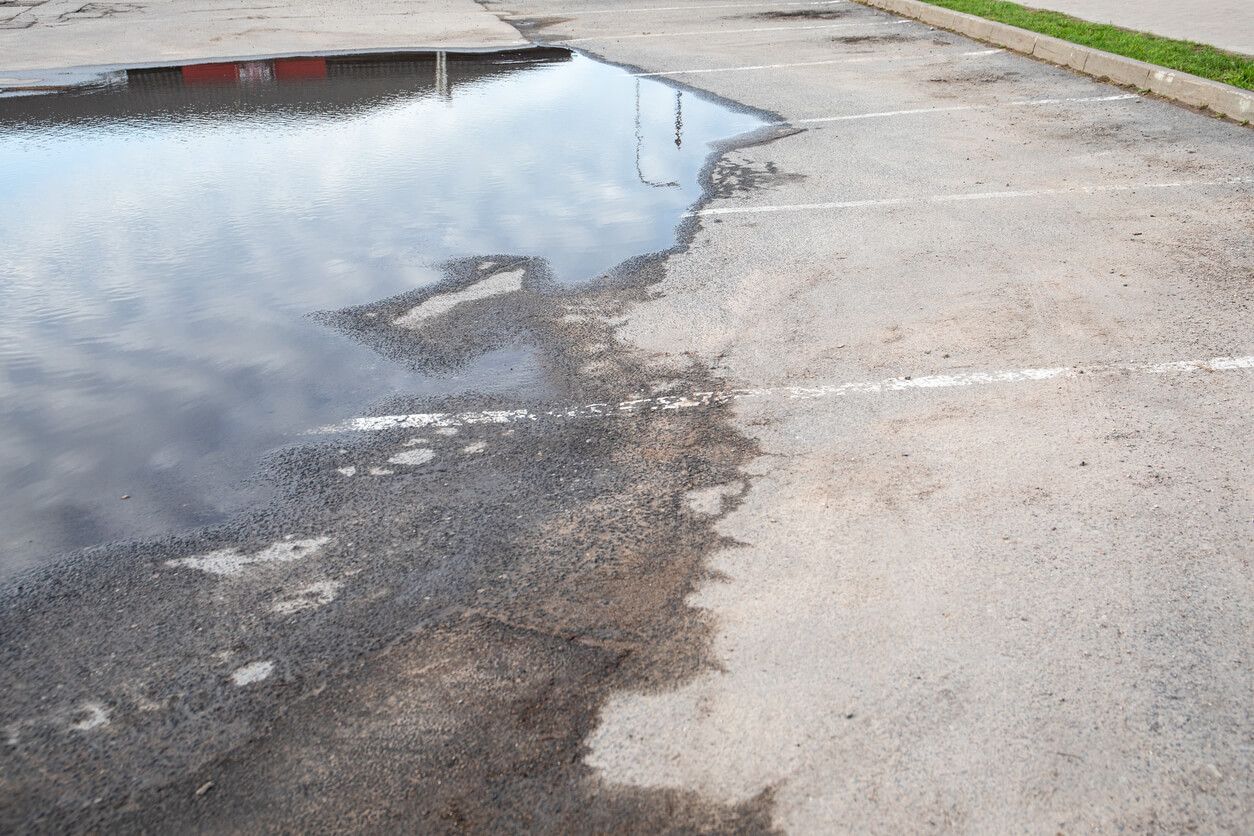
Learn why parking lot drainage problems happen, how water buildup affects asphalt, and which warning signs may point to larger site issues.
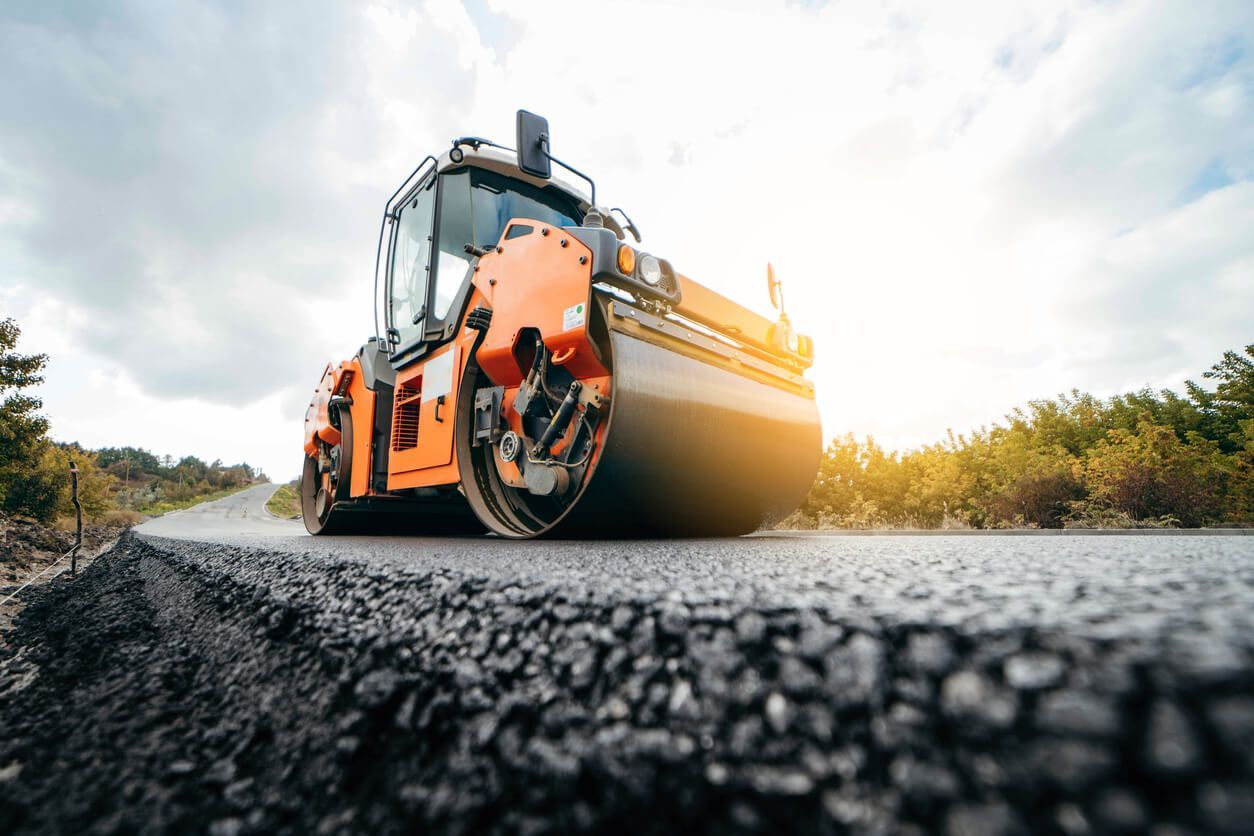
Wondering about asphalt vs blacktop? Learn their key differences and why the right choice depends on how the pavement will be used.
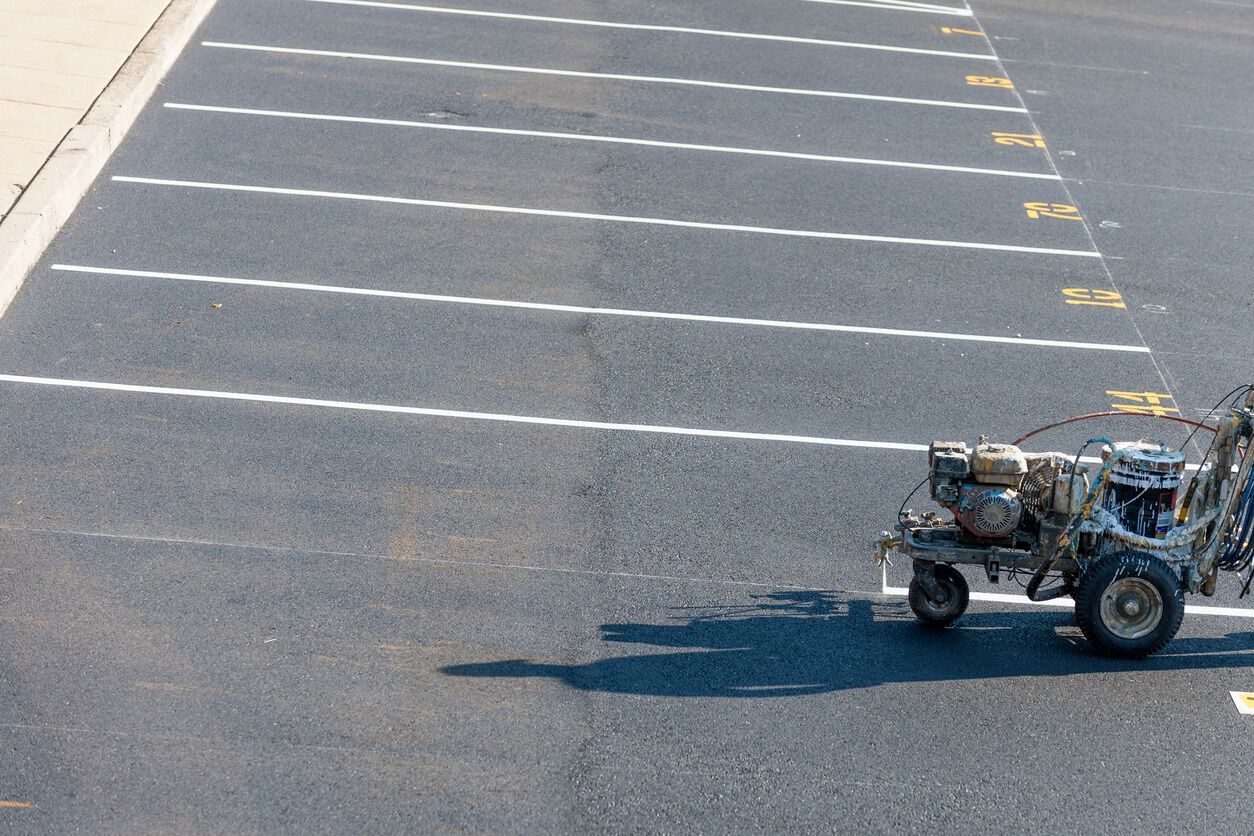
ADA parking striping requirements explained. Learn compliance rules, layouts, fire lanes, and how to keep your lot safe and inspection ready.
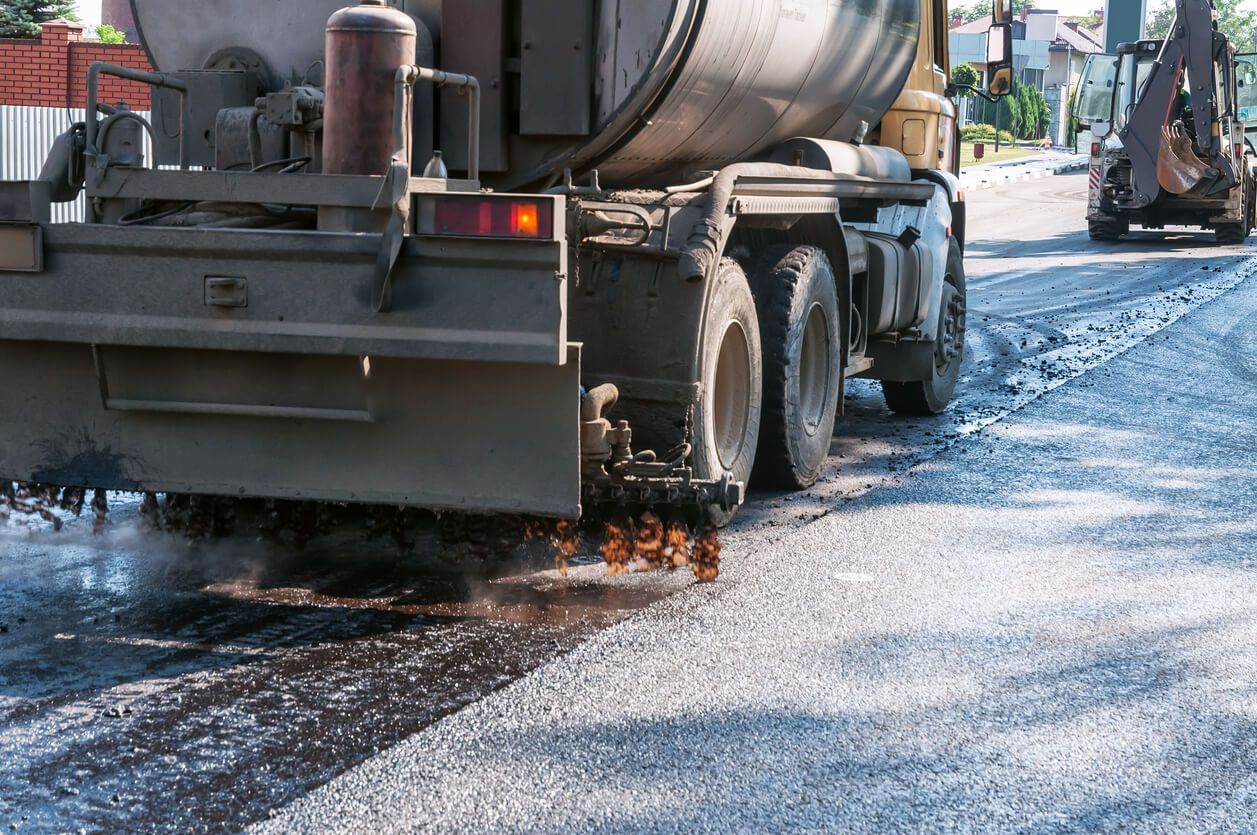
Asphalt sealcoating protects pavement from UV, water, and wear extend surface life, reduce repairs, and keep your property looking clean and professional.
Wondering what an asphalt driveway costs in Texas? Learn the real price ranges for overlays, full replacements, and repairs — plus what affects your final quote. Free estimates available in San Antonio.
Comparing concrete vs asphalt parking lots? See how each material stacks up in cost, lifespan, maintenance, and Texas heat performance. Get expert guidance from Pro-Line Paving in San Antonio.
Is your parking lot cracked, rutting, or draining poorly?
Learn the signs that milling and overlay can fix it —
without a costly full replacement. Pro-Line Paving explains.
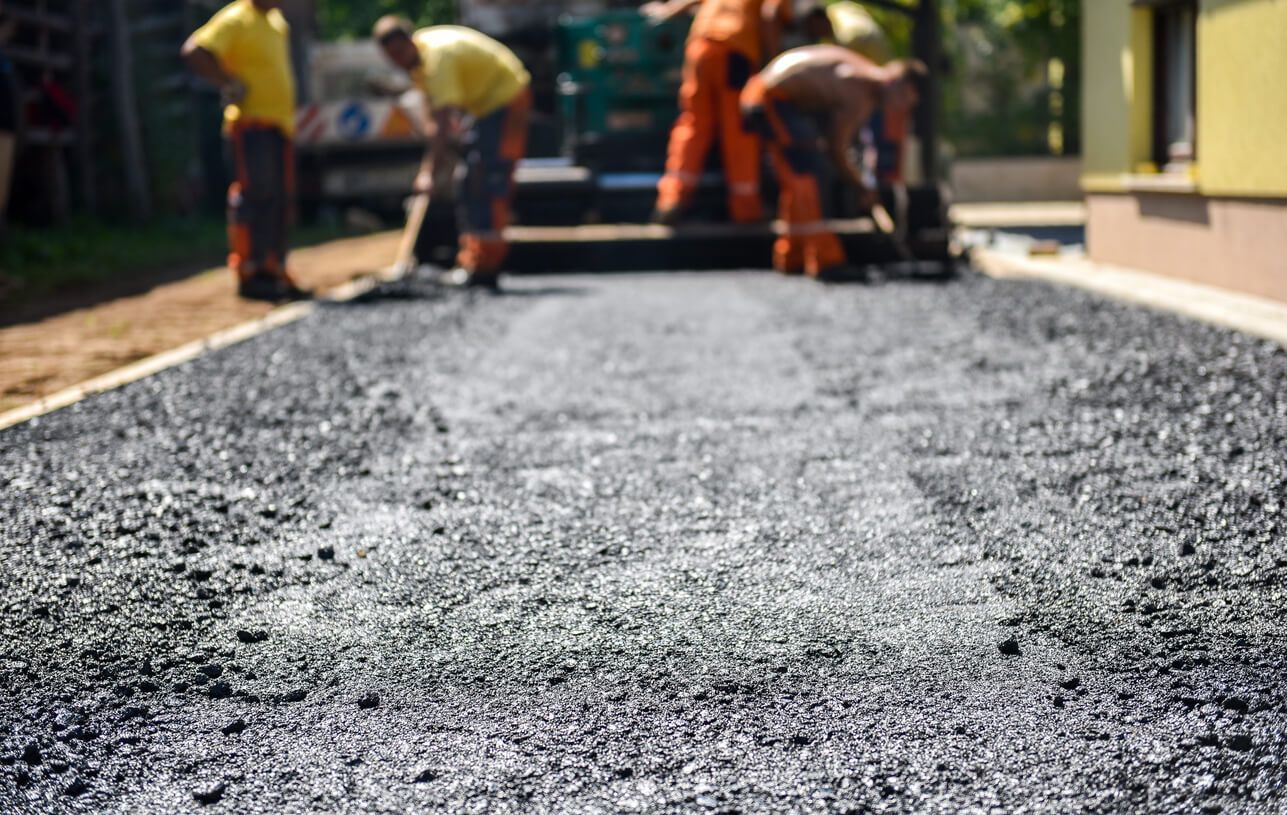
Learn what asphalt maintenance involves, why it matters, and how regular care like sealing and crack repair helps extend pavement life and performance.