

210-530-0062
Asphalt vs Blacktop: Is There Actually a Difference?
June 8, 2026
If you have ever heard someone compare asphalt vs blacktop, you have probably wondered whether they are talking about two different paving materials or just using different names for the same thing. It is a fair question, and it comes up all the time with property owners, developers, and managers planning new pavement for parking lots, access roads, or residential driveways.
The short answer is this: in everyday conversation, people often use asphalt and blacktop interchangeably. But when you look closer at composition, use case, finish, and performance, there are some distinctions worth understanding. If you are planning a paving project in San Antonio or anywhere in South Texas, knowing how blacktop and asphalt compare can help you choose the right material, budget more accurately, and avoid paying for the wrong solution.
Asphalt vs Blacktop: The Short Answer
When people search for asphalt vs blacktop, they are usually trying to figure out whether one is better, stronger, or cheaper than the other. In practical terms, both materials are made from the same ingredients at a basic level: aggregates such as sand, gravel, and crushed stone, combined with bitumen, the petroleum-based binding agent that holds everything together.
Where the conversation gets more interesting is in the details. Asphalt and blacktop are often described as being mixed differently, with variations in mixture ratios, stone content, and intended use. In many regions, “blacktop” is used more casually to describe a smoother material often associated with residential driveways and lighter-duty applications, while asphalt is the broader technical term used across commercial and municipal construction projects.
What Is Asphalt?
Asphalt is a highly engineered paving material designed to create a long-lasting, durable surface for roads, parking lots, highways, and industrial sites. It combines aggregate and bitumen into a compact, stable material that can handle weather, traffic, and the daily punishment of tires, turning wheels, and braking loads.
In commercial work, asphalt paving is the standard for a reason. It is versatile, repairable, and cost effective over time. Properly installed asphalt pavement can support heavy traffic, perform well in high traffic areas, and be customized with different mixes depending on whether the job involves major roads, a commercial parking lot, a loading zone, or even airport runways.
What Is Blacktop?
Blacktop is usually considered a type of asphalt, but the term is commonly used in a less technical way. Many people picture a blacktop driveway, neighborhood lane, or lightly used paved area when they hear the word. In some explanations, making blacktop involves a blacktop mixture with more stone visible at the surface and sometimes less bitumen, though regional terminology can vary.
That is part of what makes the asphalt vs blacktop debate confusing. In one town, a contractor may call every paved surface asphalt. In another, homeowners may call every driveway blacktop. So yes, both blacktop and asphalt come from the same family of paving materials, but the label often reflects usage, finish, and local habit more than a dramatic chemical divide.
Asphalt and Blacktop: The Key Differences
The biggest key differences between asphalt and blacktop usually come down to aggregate blend, finish, and intended performance. Asphalt used for commercial applications is often engineered for high weight capacity, stronger structural support, and the ability to withstand heavier loads from delivery trucks, service vehicles, and constant circulation.
By contrast, blacktop is more often associated with lighter traffic areas and residential driveways. That does not mean it is flimsy. It simply means the surface may be designed for passenger cars rather than heavier vehicles or nonstop traffic. If you imagine the difference between hiking boots and dress shoes, both can get you across a parking lot, but only one is built for rough ground and repeated strain.
How Blacktop and Asphalt Are Made
To understand how blacktop differ from asphalt in some applications, it helps to look at the production process. Both rely on aggregate and bitumen, but the exact mixture ratios can change based on project demands. More aggregate, different stone size, and binder adjustments all affect flexibility, durability, texture, and appearance.
Most commercial mixes are produced as hot mix asphalt, which is heated to a higher temperature so it can be placed and compacted correctly. In some applications, contractors may also use warm mix asphalt, which is produced at lower temperatures to improve workability and reduce energy use. These different asphalt types are selected based on climate, traffic, and the expected life of the pavement.
Why Asphalt Paving Is Preferred for Commercial Properties
For commercial clients, the asphalt vs blacktop question usually has a simple answer: go with the mix designed for your traffic demands. A retail center, industrial yard, school, church, medical office, or apartment complex needs a pavement system that can handle heavy traffic, turning pressure, delivery routes, and occasional oil or fuel exposure.
That is why professional asphalt contractors typically recommend commercial-grade asphalt paving for parking lots, private roads, and access lanes. A properly built asphalt surface offers a smooth surface, strong load support, and long-term cost effectiveness. It also allows future maintenance such as patching, overlays, and crack filling without tearing everything out and starting over.
Is Blacktop Better for Residential Driveways?
In many cases, blacktop is associated with residential driveways because the loads are lighter and the visual finish may be appealing for homes. A blacktop driveway can provide a clean, dark look and a comfortable ride for everyday vehicles. For homeowners, that can be more than enough.
Still, not every driveway should be treated the same. An asphalt driveway may be the better option if the property sees trailers, work trucks, or repeated delivery traffic. In hot climates like South Texas, where intense sun can soften lower-grade materials and expose weak spots, the right mix and installation method matter more than the label. This is where experienced asphalt contractors earn their keep.
Asphalt vs Blacktop Cost Differences
One of the main reasons people compare asphalt vs blacktop is price. The truth is that cost differences depend less on the name and more on the scope of work. The size of the job, the thickness of the pavement, the condition of the existing surface, drainage needs, grading, base preparation, and labor costs all affect the final number.
For example, price per square foot may shift if a site needs demolition, regrading, extra compaction, or improved proper drainage. A cheaper upfront option can become expensive if it fails early under heavy traffic. That is why cost effectiveness should be measured over the life of the pavement, not just the initial invoice. Good asphalt paving is often the more cost effective choice because it lasts longer and repairs well.
Which Surface Holds Up Better Under Heavy Traffic?
If your property sees delivery trucks, fleets, buses, or service vehicles, this part matters. Commercial-grade asphalt is typically designed to support heavier loads, maintain structural integrity, and deliver more reliable surfaces over time. It is commonly used for major roads, business entrances, and parking lots because it can handle repeated stress without rutting as quickly.
This is one of the clearest answers in the asphalt vs blacktop conversation. Where there is heavy traffic, frequent turning, or a need for intense weight capacity, asphalt built for commercial use is usually the better fit. It is the difference between a folding chair and a steel-frame bench. Both let you sit, but only one is built for constant use.
Climate, Heat, and Severe Weather Matter More Than People Think
In South Texas, pavement does not just sit there looking pretty. It bakes. It expands. It contracts. It takes UV exposure, flash rain, standing water, and long stretches of heat that can make darker pavement feel like a cast-iron skillet. That is why local experience matters when discussing asphalt and blacktop.
A pavement system installed in San Antonio has to handle temperature fluctuations, intense sun, and occasional severe weather without breaking down too quickly. The right binder content, aggregate blend, and installation timing all influence performance. Asphalt remains one of the best choices for regional commercial work because it can be engineered to match local conditions and maintained over time.
Maintenance: Asphalt Pavement Still Needs Attention
No matter where you land in the asphalt vs blacktop discussion, every paved surface needs upkeep. Even the best installation can suffer if water gets underneath, cracks are ignored, or striping and drainage issues are left unresolved. Pavement is tough, but it is not magic.
That is why regular maintenance matters. Services like crack filling, seal coating, patching, and overlay work can extend the life of parking lots, access lanes, and residential driveways. In many cases, repairing a failing area early is far cheaper than full replacement later. For property managers and business owners, maintenance is not just a line item. It is asset protection.
New Asphalt, Overlay, or Repair?
Sometimes the real question is not asphalt vs blacktop but whether the site needs full replacement, resurfacing, or targeted repairs. If the base is still sound, an overlay over the existing surface may restore appearance and performance without the cost of rebuilding everything from the ground up.
If the pavement has widespread cracking, drainage failure, or structural weakness, a more extensive preparation process may be needed. Skilled asphalt contractors assess the subgrade, traffic patterns, and wear before recommending a solution. A smart paving company does not just sell pavement. It diagnoses the problem underneath it.
Sustainable Asphalt Types and Modern Innovations
Modern asphalt paving is not standing still. Newer asphalt types can improve performance, reduce environmental impact, and support long-term value. Mixes that include recycled materials are now common, helping reduce waste while still creating strong paved systems for roads and parking lots.
There are also specialty options like porous asphalt, which helps with stormwater management, quiet asphalt, which can reduce road noise in some settings, and perpetual pavement, a design approach intended for long-term structural performance with periodic surface renewal. Some processes may also help reduce greenhouse gas emissions, especially when using warm mix asphalt or recycled content.
How Property Owners Should Choose Between Asphalt and Blacktop
For most property owners, the decision should come down to use, traffic, and long-term goals. If the project involves parking lots, business access roads, or areas exposed to heavy traffic, commercial asphalt is usually the right answer. If the project is limited to residential driveways with light daily use, a blacktop-style mix may be perfectly suitable.
The smartest move is to talk with experienced asphalt contractors who understand local conditions, drainage, and expected load demands. A good contractor will explain your paving options, identify the key differences, and recommend the right material for your paving needs rather than pushing a one-size-fits-all answer.
Asphalt vs Blacktop for San Antonio Parking Lots and Commercial Sites
In the San Antonio market, the asphalt vs blacktop debate usually leans toward performance. Commercial properties across South Texas need pavement that can hold up under heat, traffic, and constant wear. For shopping centers, office buildings, industrial facilities, HOA roads, and service yards, commercial asphalt paving is typically the better fit.
That is especially true for commercial parking lot work, where drainage, striping, turning movement, and durability all matter. A local paving company with experience in South Texas can evaluate whether your site needs new installation, milling and overlay, or repairs. The right recommendation will protect your investment and keep the surface safe, functional, and professional-looking.
Final Verdict on Asphalt vs Blacktop
So, is there actually a difference in asphalt vs blacktop? Yes and no. In casual use, people often mean the same thing. But in practical paving terms, the distinction can point to differences in mix design, finish, and intended use. Asphalt and blacktop share the same roots, but one may be better suited to residential driveways while the other is built for parking lots, major roads, and high-demand commercial environments.
If you are planning a new paving project in San Antonio or the surrounding South Texas area, the best next step is to consult with experienced asphalt contractors. At Pro-Line Paving, we help clients choose the right material, the right scope, and the right long-term solution for their property. Whether you need a new asphalt driveway, repairs, milling and overlay, or full asphalt paving for a commercial site, our team delivers work built to last and paved with precision.
If you are ready to talk through your project, contact Pro-Line Paving for a free estimate.
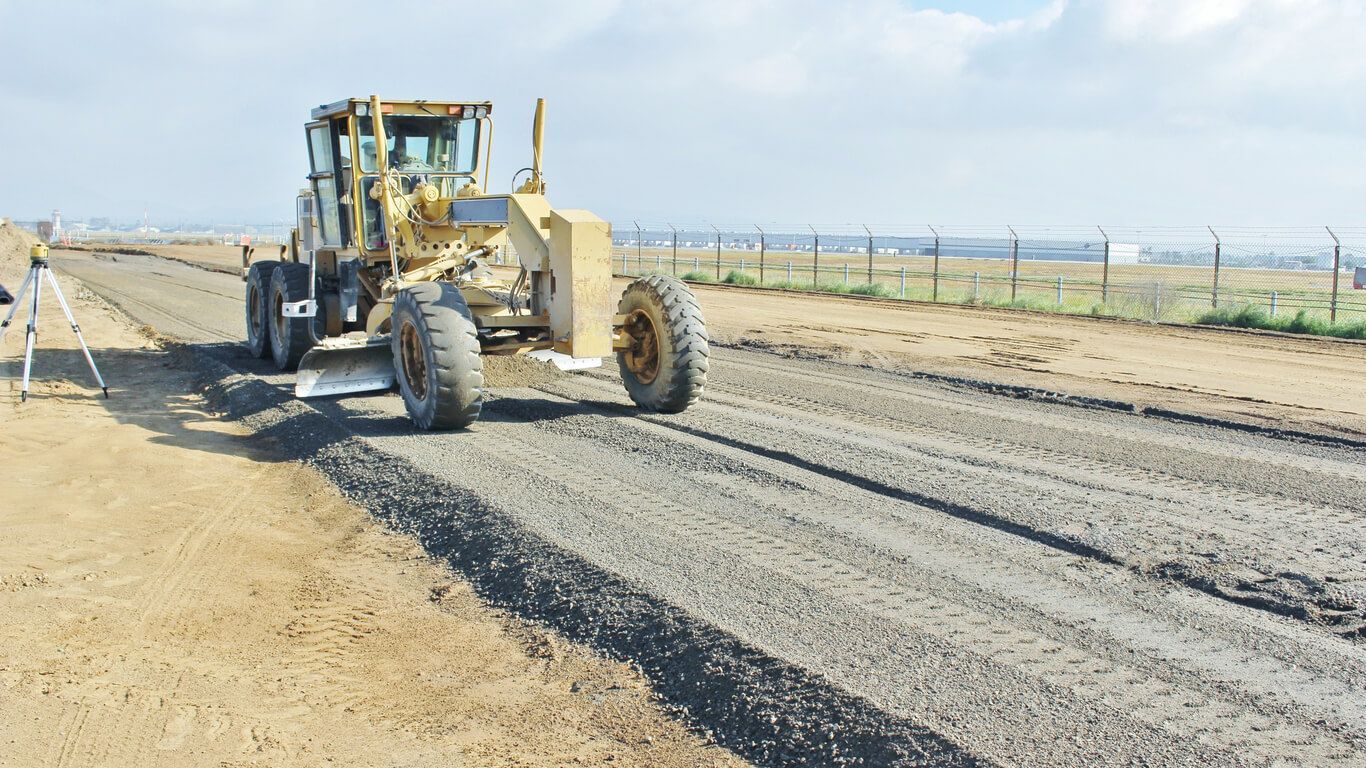
Asphalt subgrade preparation decides whether pavement lasts. Proper compaction, moisture control, and stabilization prevent ruts and cracks in South Texas.
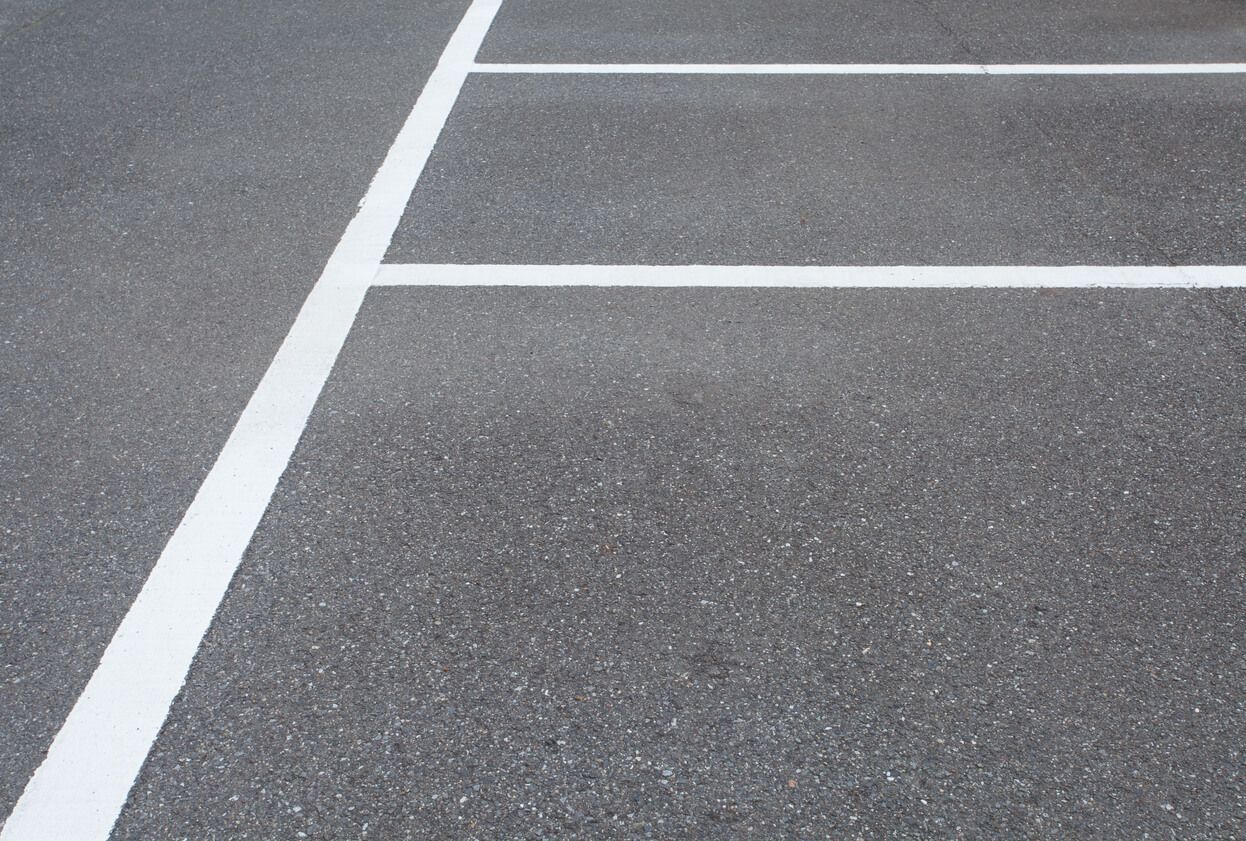
What is seal coating a driveway? Learn how sealcoat shields asphalt from sun, water, and oil, coal tar vs. emulsion sealers, and when it’s time to reseal.
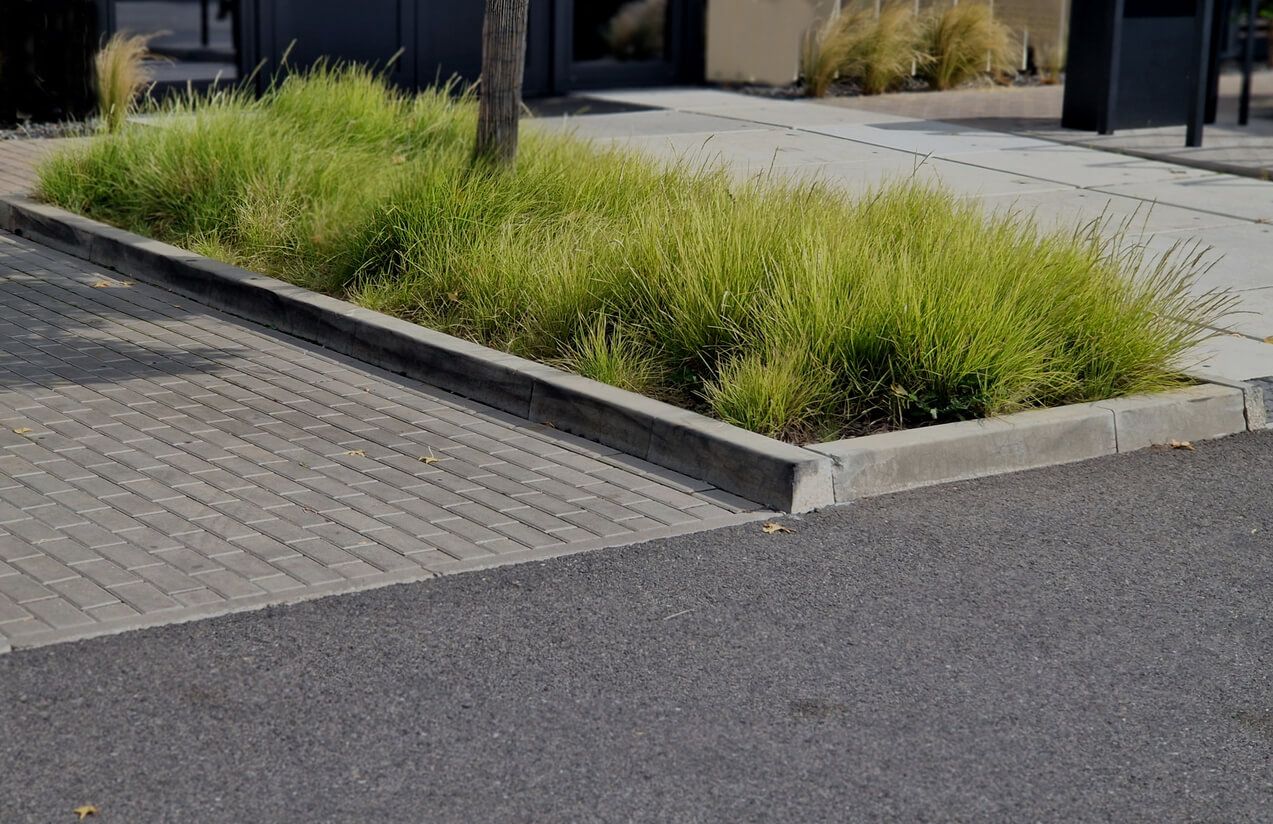
HOA paving shouldn't mean budget surprises. Learn how to build a long-term asphalt plan covering maintenance, sealcoating, and repairs.
How long does asphalt last? Explore average lifespan ranges and the main factors that cause asphalt to age, crack, or wear out.
Learn why parking lot drainage problems happen, how water buildup affects asphalt, and which warning signs may point to larger site issues.

Learn what alligator cracking asphalt is and why it signals structural failure. Discover the common causes for pavement fatigue in San Antonio and South Texas.
ADA parking striping requirements explained. Learn compliance rules, layouts, fire lanes, and how to keep your lot safe and inspection ready.
Asphalt sealcoating protects pavement from UV, water, and wear extend surface life, reduce repairs, and keep your property looking clean and professional.
Wondering what an asphalt driveway costs in Texas? Learn the real price ranges for overlays, full replacements, and repairs — plus what affects your final quote. Free estimates available in San Antonio.
Comparing concrete vs asphalt parking lots? See how each material stacks up in cost, lifespan, maintenance, and Texas heat performance. Get expert guidance from Pro-Line Paving in San Antonio.