


210-530-0062
What Causes Potholes? How Water, Traffic and Texas Soil Break Down Asphalt
Sino Baduza • November 16, 2026
A pothole is a bowl-shaped hole where the asphalt surface and the material under it have broken away. Property managers and owners often ask what causes potholes, because a lot that looked fine in September can have a handful of them by spring. The short answer starts with water. Water gets under the pavement through cracks and softens the layers that hold the surface up. Traffic then breaks the weakened spot apart. In South Texas, the clay soil under the pavement adds stress of its own. This post is written for people who care for parking lots, drive aisles and driveways around San Antonio. It covers the causes first, then how potholes are repaired, then what an owner can do to keep new ones from forming.
How Do Potholes Form? From Hairline Crack to Open Hole
Potholes form in a sequence, and each step makes the next one easier. Knowing the order helps you spot trouble while it is still small.
It starts with a crack. Asphalt ages, and a hairline opening shows up in the surface, often in a wheel path or along an edge. The pavement still drives smooth at this stage, so the crack is easy to overlook.
Water is the second step. Rain runs through the crack and into the base, the layer of compacted stone and soil that carries the load. A base that stays wet loses strength. Stone that was locked tight begins to shift, and fine material washes out, which leaves the surface with less support than it was built to have.
Traffic is the third step. A pothole develops when water and traffic are present at the same time, and every tire that crosses the soft spot flexes the asphalt above it. The surface cracks further under that flexing. Small pieces break loose, and passing tires and runoff carry them away.
The last step is the open hole. Once the surface gives way, the hole fills with water after every storm. The edges crumble, the bowl widens and the base underneath keeps washing out.
A hairline crack is a doorway for water, and each rain sends more of it through. That is why a crack left alone for one season can become a hole the next. Sealing a crack takes minutes. Once the hole opens, the repair calls for cutting out the failed area, cleaning it and filling it with new mix.
Water Is the Root Cause
Asphalt gets its strength from the layers under it, and water weakens those layers, so water sits behind most potholes. Federal highway engineers describe inadequate drainage of water from the base and subgrade as a major cause of pavement problems. A saturated base cannot spread a wheel load the way a dry one can. The surface above it then carries more stress than it was built to handle.
Water finds several ways in. Open cracks let it through the surface. Edges that have crumbled or lost support let it in from the side. Low spots hold it in place, and water that sits on pavement has hours or days to work its way down.
Drainage on a private lot brings its own problems. Parking lots are often graded close to flat, inlets clog with leaves and trash, and roof downspouts and landscape beds can send runoff onto the pavement. Irrigation overspray can wet the same edge every morning. Water that stands for 24 hours or more after a rain is one of the signs of parking lot drainage problems, and the damage it causes speeds up every other kind of failure on the lot.
Every Pro-Line Paving asphalt repair starts with an inspection that looks for drainage problems and base failures as well as visible cracks, depressions, alligator cracking and potholes.
How Traffic Turns a Weak Spot Into a Pothole
Water softens the ground, and traffic finishes the job. Holes appear where wheels land, so the pattern of damage on a lot follows the pattern of driving.
The wheel paths are the most common place for potholes, and the same Army Corps of Engineers guide notes that they often form at curb lines and intersections too. On a commercial lot the list grows. Entrances and exits see trucks swing wide. Drive aisles carry every vehicle on the property. The lanes beside curbs take tires that ride the edge.
Spots where vehicles stop, turn or stand add more damage. Think of the approach to a loading zone, the apron in front of a dumpster pad, the stop bar at the end of an aisle or a pickup lane where cars idle. Braking and turning put heavy, concentrated loads on one small patch of pavement, and that patch takes them hundreds of times a day.
Heavy vehicles do the most harm. A loaded delivery truck or trash hauler presses on the pavement much harder than a passenger car, and it rolls over the same lines every day. Each pass flexes the surface a little more over any soft spot.
Thinner pavement gives way sooner under the same traffic. The guide notes that pavement thinner than about 3 inches is more prone to potholes caused by fatigue. Property managers who look after several sites can start with these same few spots at each one after a heavy rain.
Why South Texas Gets Potholes Without Much Freeze-Thaw
Most explanations of potholes lead with freeze-thaw. Water in the base freezes, expands and lifts the pavement, then thaws and leaves a void. That cycle is rare in San Antonio, where snow seldom falls. Other forces do the work here.
Soil is the first one. Texas has expansive clay soils that swell when wet and shrink and crack when dry. Houston Black clay covers a large area of the Texas Blackland Prairies. It is 40 to 60 percent clay with high shrink-swell potential, and in dry periods it forms cracks about 1/2 to 4 inches wide. Water enters clay like that quickly when it is dry and cracked. Pavement rides on soil that moves, and highway engineers list changes in subgrade volume as it wets and dries as a cause of pavement distress. A 1975 federal review estimated that moisture swings in expansive soil caused more than $1.1 billion a year in damage to U.S. streets and highways.
Climate is the second one. San Antonio's normal rainfall is about 32 inches a year, yet the city once went 53 days in a row without measurable rain, from September 6 to October 28, 2024. Its one-day record is 11.26 inches. Long dry stretches open cracks in the soil, and a downpour sends water into them all at once.
Sun is the third one. Summer heat and UV age the asphalt surface and dry it out, so cracks appear sooner than they would on cooler pavement.
A national transportation research group notes that pavement failure comes from a combination of traffic, moisture and climate, and it found 36 percent of major state and local roads in the San Antonio area in poor condition. The result matches what happens in colder states: cracks, water in the base, and traffic doing the rest.
Other Causes: Age, Construction and Utility Cuts
Four more problems sit behind the main three. Each one gives water and traffic an easier way in.
Age is the first. Pavement near the end of its life is brittle, cracked and worn, and it has little left to keep water out. Potholes arrive in groups on a lot at that stage.
Construction is the second. A base that was too thin or poorly compacted when the lot was built settles under traffic, and the dips it leaves collect water. Careful subgrade preparation heads that off at the start.
Reflective cracking is the third. Cracks in older pavement underneath can work their way up through a newer layer, so a fresh surface can show the old crack pattern within a few seasons. Each reflected crack is a new path for water.
Utility cuts are the fourth. A trench that was patched with weaker material or poor compaction settles over time and leaves a seam around its edge. That seam gives water a straight path to the base, and the patch itself becomes the weak spot in the pavement.
How to Fix Potholes in Asphalt
Repair options run from quickest to most lasting.
The quickest is a temporary cold patch. Crews shovel cold mix into the hole and compact it. A drivable surface returns fast. The edges of the hole and the base below stay as they were, so a cold patch is a short-term answer.
A permanent patch goes further. The failed area is saw cut or milled out, cleaned of loose debris, dirt and water, and filled with compacted hot or cold mix so it sits level with the pavement around it. This follows the steps in Pro-Line Paving's asphalt repair process: inspection and assessment, cleaning and preparation, then pothole patching with hot or cold mix. The same page lists crack sealing to stop water infiltration, along with surface overlays and skin patching for larger worn sections.
Full-depth repair or replacement comes into the conversation when the damage runs through to the base across a wide area. A patch cannot hold on a base that has failed. Where the base is sound and the surface is worn over a large area, milling and overlay removes the worn layer and puts down a fresh one.
A patch that fills the hole without fixing the water or base problem behind it tends to fail again, so Pro-Line Paving diagnoses the cause before choosing a repair method. The Army Corps of Engineers guide cites a Pennsylvania DOT study in which patching the same pothole over and over cost about five times as much per year as one permanent patch. On a stable base, a properly prepared patch typically holds for several years. Traffic volume, drainage and how early the damage was caught all move that number.
Pothole Prevention for Parking Lots and Driveways
Pothole prevention comes down to keeping water out of the base and keeping the surface in good shape. Owners and property managers can handle most of it with routine care.
Seal cracks first. Federal highway guidance notes that cracks must be sealed at proper intervals to keep surface water from getting in. Crack sealing is one of the repair techniques Pro-Line Paving uses to stop water infiltration and keep cracks from spreading.
Keep the surface coated. Pro-Line Paving's site recommends seal coating every 2 to 3 years to protect asphalt against UV, moisture and oil spills. A sealed surface stands up to the sun that dries asphalt out, and it sheds water instead of soaking it up.
Keep water moving. Clear leaves and trash from inlets and drains. Aim downspouts and irrigation heads away from pavement edges. Keep landscape beds from washing soil onto the lot.
Watch where water ponds. After the next good rain, walk the property and note any spot where water is still standing a day later. Photos and a short list make it easy to track those spots from one storm to the next, across one lot or twenty.
Repair small cracks and potholes early. A small hole is a small repair, and it stops water from reaching the base before the damage spreads.
Catching Potholes Early
A pothole is the end of a process that starts with water and a crack, so the earlier it is caught, the smaller the repair. Pro-Line Paving provides asphalt repair, seal coating and milling and overlay for commercial lots and driveways around San Antonio. If a lot or driveway shows cracks, ponding or the first small holes, you can request a quote and have the cause diagnosed before the damage spreads.
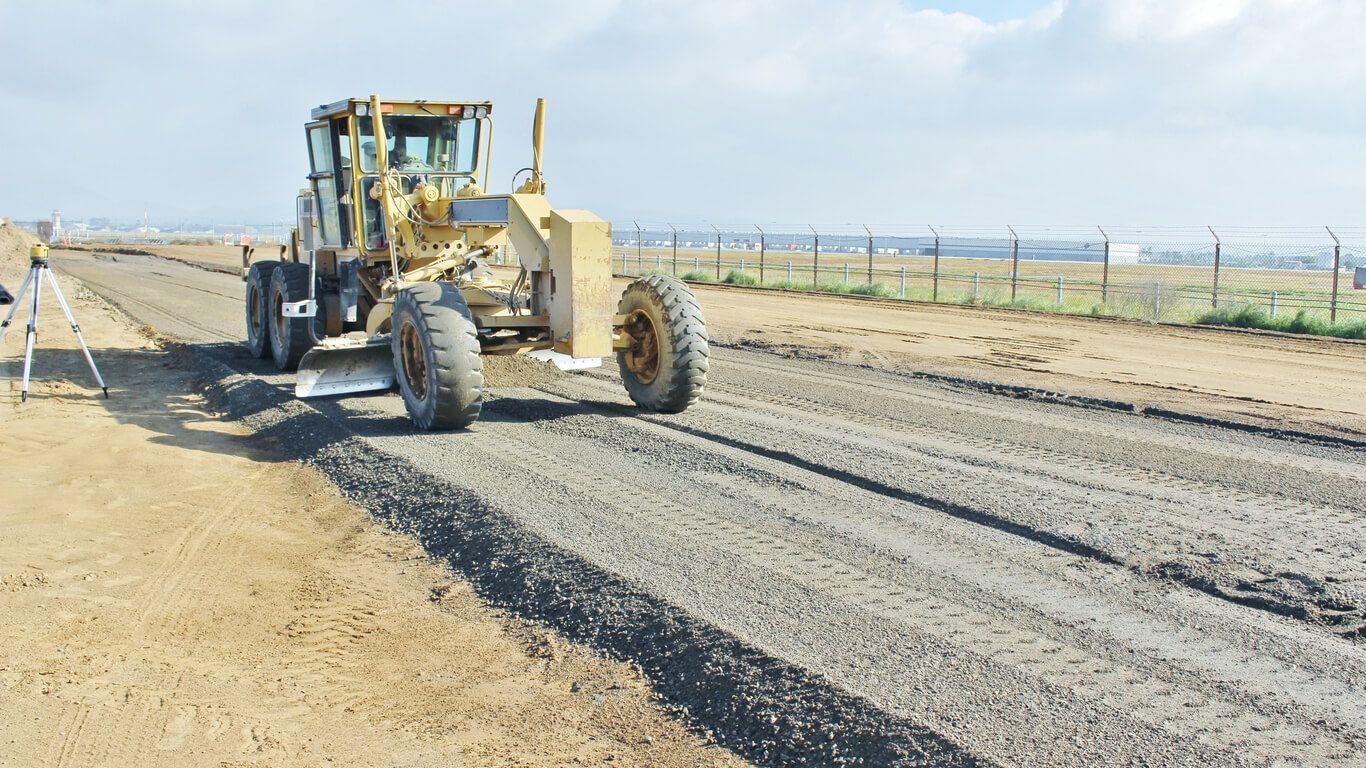
Asphalt subgrade preparation decides whether pavement lasts. Proper compaction, moisture control, and stabilization prevent ruts and cracks in South Texas.
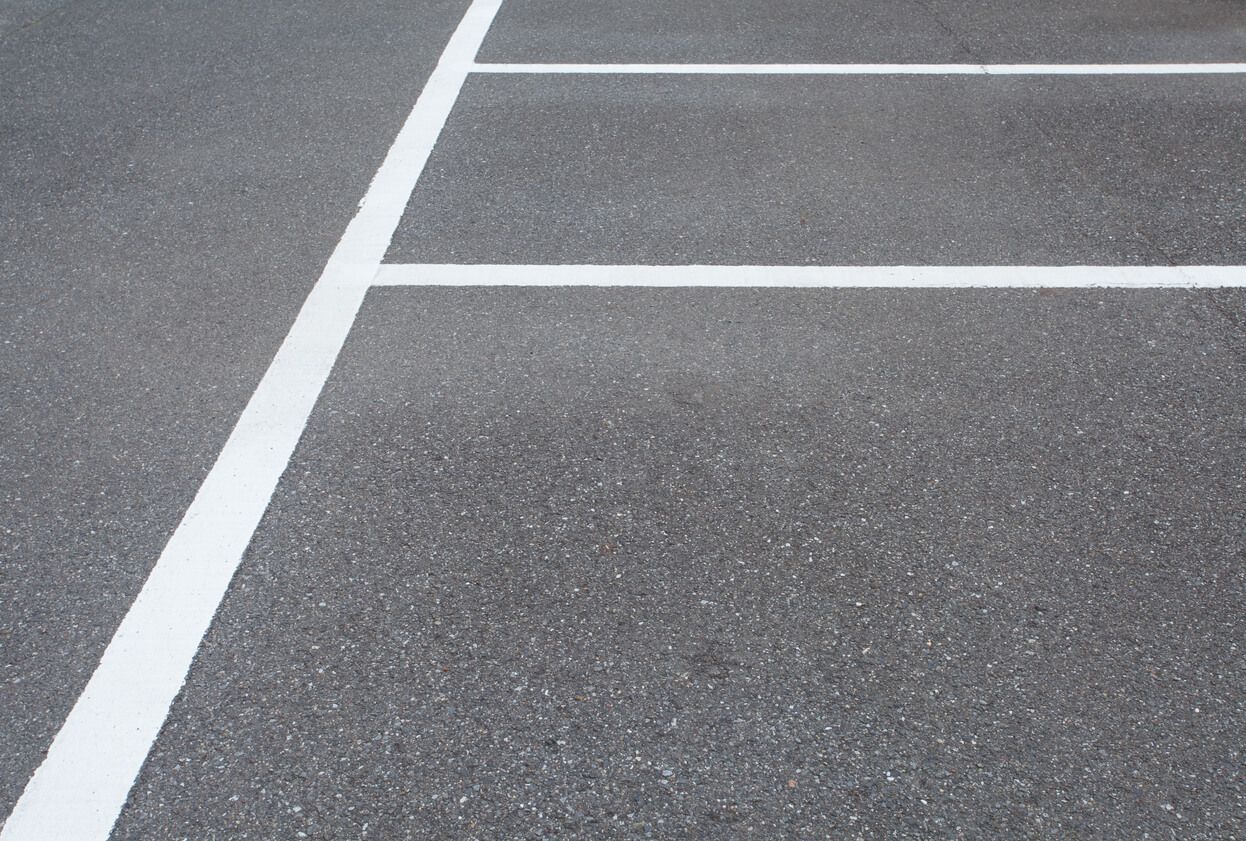
What is seal coating a driveway? Learn how sealcoat shields asphalt from sun, water, and oil, coal tar vs. emulsion sealers, and when it’s time to reseal.

HOA paving shouldn't mean budget surprises. Learn how to build a long-term asphalt plan covering maintenance, sealcoating, and repairs.

How long does asphalt last? Explore average lifespan ranges and the main factors that cause asphalt to age, crack, or wear out.
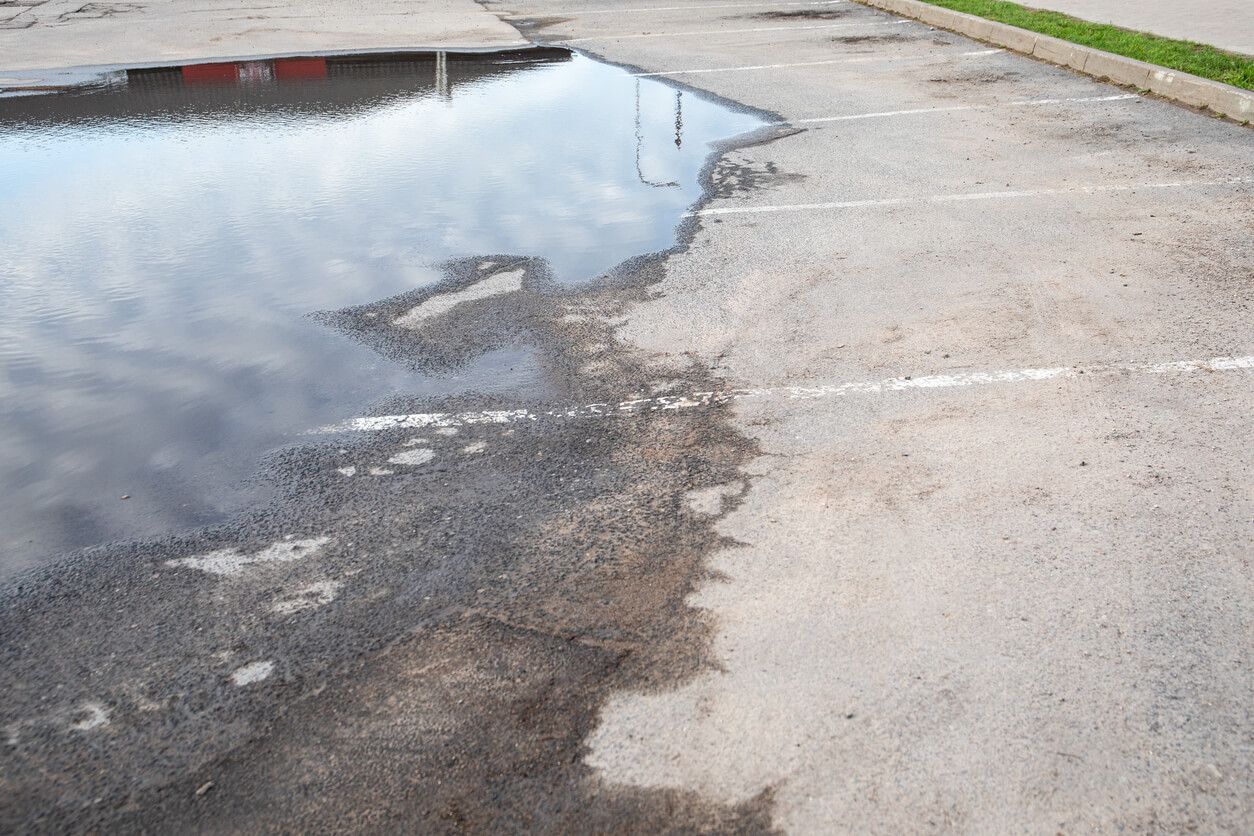
Learn why parking lot drainage problems happen, how water buildup affects asphalt, and which warning signs may point to larger site issues.
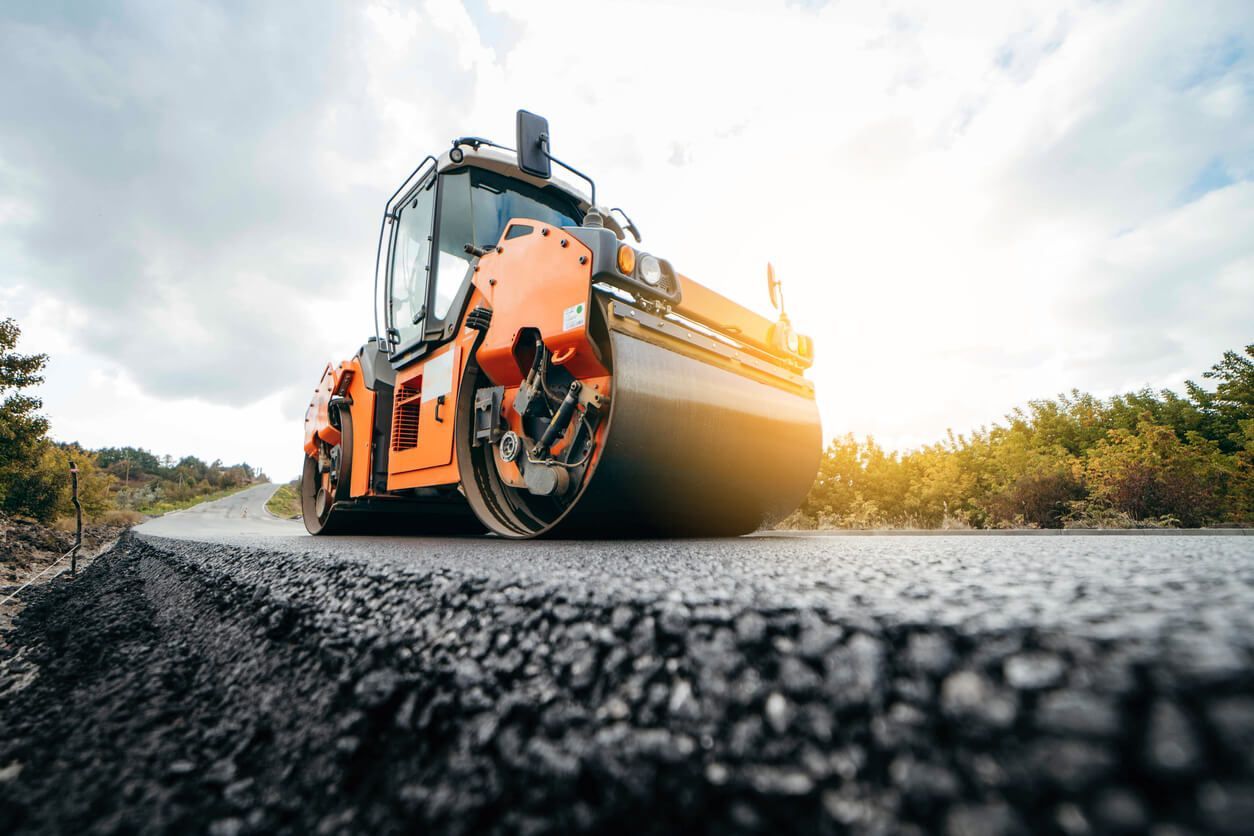
Wondering about asphalt vs blacktop? Learn their key differences and why the right choice depends on how the pavement will be used.

Learn what alligator cracking asphalt is and why it signals structural failure. Discover the common causes for pavement fatigue in San Antonio and South Texas.
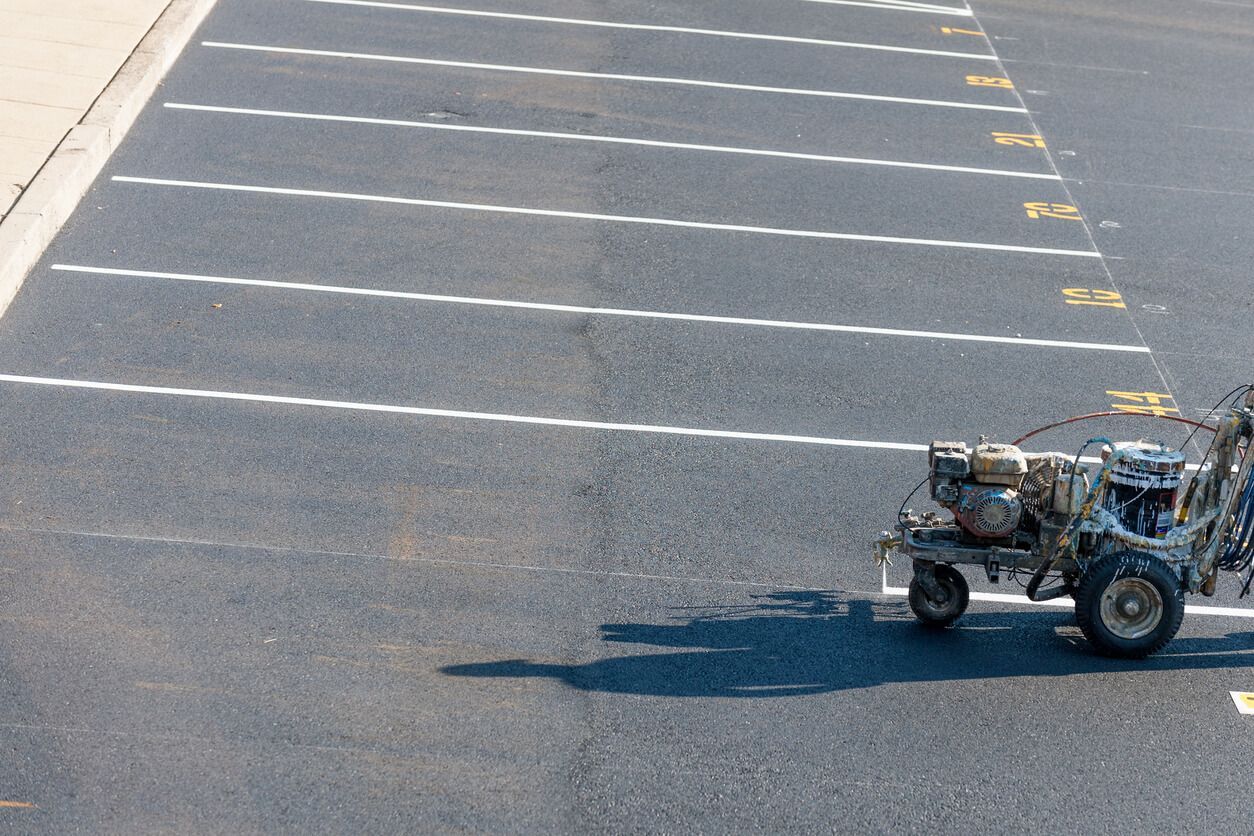
ADA parking striping requirements explained. Learn compliance rules, layouts, fire lanes, and how to keep your lot safe and inspection ready.
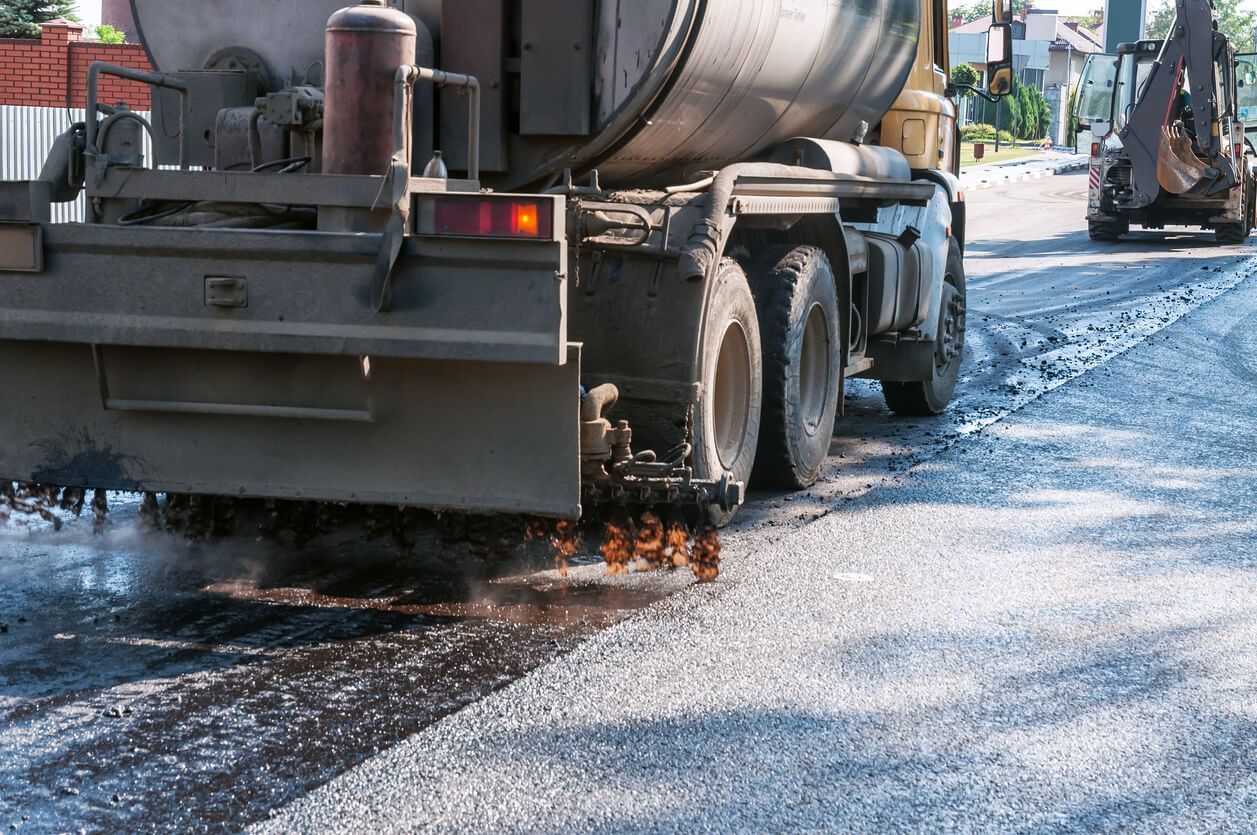
Asphalt sealcoating protects pavement from UV, water, and wear extend surface life, reduce repairs, and keep your property looking clean and professional.
Wondering what an asphalt driveway costs in Texas? Learn the real price ranges for overlays, full replacements, and repairs — plus what affects your final quote. Free estimates available in San Antonio.