

210-530-0062
When Commercial Asphalt Sealcoating Delivers the Best Results
Sino Baduza • March 13, 2026
Commercial asphalt sealcoating can be a smart investment, but it delivers real value only when done under the right conditions. When timing, pavement condition, and weather all line up, sealcoating protects against sun, water, and traffic in San Antonio while restoring rich curb appeal. By understanding exactly when sealcoating works best, you can stretch your asphalt budget and keep commercial properties looking sharp for years.
For this blog, we’ll clarify what sealcoating can and cannot do, starting with whether it should be treated as a structural fix. Then, we’ll walk through how to get desirable results, including choosing the right preparation, materials, and application methods. You’ll also learn the best times for asphalt sealcoating, plus practical maintenance habits that keep your asphalt looking fresh and performing longer.
Can Asphalt Sealcoating Be a Structural Fix?
Sealcoating is a protective coating for asphalt, not a structural repair that can rebuild weak or failed pavement. It works like sunscreen and a raincoat, shielding the surface from UV rays, moisture, and chemical spills. Because it sits only on the surface, driveway sealcoating cannot fix deep cracks, potholes, or problems in the base layer.
If your San Antonio asphalt shows alligator cracking, sinking areas, or recurring potholes, it's a sign of structural failure beneath the surface. These issues require proper repairs such as patching, base replacement, or milling and overlay before any sealcoat is applied. Used after appropriate structural repairs, sealcoating becomes a powerful maintenance tool that protects the investment and slows future deterioration.
How to Achieve Optimal Commercial Asphalt Sealcoating Results
Getting the best return on your sealcoating investment starts long before the first drop of material hits the pavement. Below are several steps you can implement to protect your asphalt and keep your property looking sharp longer:
Inspect and Repair Asphalt First
Begin with a thorough pavement inspection to identify cracks, potholes, soft spots, or drainage issues before scheduling sealcoating. Sealcoating over structural problems only temporarily hides symptoms and prevents you from getting the full value from the coating. Repair damaged areas, reinforce weak bases, and correct drainage so the sealcoat protects a sound, stable surface that lasts longer.
Clean and Prepare the Surface
Clean the pavement thoroughly by blowing, sweeping, and removing sand, leaves, and loose debris that can block proper adhesion. Treat oil and fuel spots with primers or detergent cleaning so the sealcoat can bond instead of peeling or tracking. Finally, ensure the surface is completely dry and free of standing water, because moisture under the coating weakens performance.
Choose the Right Sealer Mix
Work with your San Antonio contractor to select a commercial-grade sealer formula matched to your lot’s traffic levels and climate conditions. The mix should balance water, sand, and additives to provide durability, skid resistance, and a smooth, uniform appearance. Using the right specification up front helps avoid premature wear, tracking issues, and driver or pedestrian complaints.
Schedule Sealcoating in Good Weather
Schedule driveway sealing during stable weather with temperatures above fifty degrees and no rain forecast during application or early curing. Cool, damp, or windy conditions slow drying and can cause streaks, soft spots, or uneven color across the lot. In hot South Texas climates, applying earlier in the day often helps control drying speed and ensures a more consistent finish.
Use Professional Application Methods
Insist on professional application using appropriate spray, squeegee, or combination methods suited to your pavement’s texture and traffic patterns. Most commercial lots perform optimally with at least two coats, applied at the manufacturer’s recommended coverage rate and drying time. Even, consistent application prevents thin spots, puddling, and premature wear in high-traffic lanes, entrances, or turning areas.
Plan Phasing and Cure Time
For busy commercial properties, plan the work in phases so tenants, employees, and customers always have safe access and clear directions. Use cones, barricades, and signage to keep vehicles off fresh sealer, protecting it from tracking, scuffing, and early damage. Allow recommended cure time before reopening to traffic, and give heavy trucks extra time whenever possible for maximum durability.
Maintain Sealed Asphalt Regularly
After sealcoating, adopt a simple maintenance routine that includes regular sweeping and prompt cleanup of oil, fuel, or chemical spills. Address new cracks or small potholes quickly so water cannot penetrate beneath the sealed surface and damage the base. Work with your paving contractor to schedule periodic inspections and future sealcoats, based on traffic levels and visible wear patterns.
When to Apply Commercial Asphalt and Sealcoating
Knowing how to sealcoat is important, but knowing when might matter even more. Timing directly affects how long your pavement in San Antonio, TX, actually lasts. Here are the best situations to schedule commercial asphalt work and sealcoating:
- After the New Asphalt Has Properly Cured. Apply the first sealcoat only after new asphalt has had time to cure, usually several months depending on conditions. This waiting period lets oils dissipate so the sealer bonds correctly and actually protects the new surface.
- When Pavement Is Still Structurally Sound. Sealcoating works best when the asphalt shows surface wear, fading, and light cracking, but the base is still solid. At this stage, the coating can slow aging significantly and delay the need for more expensive overlays or reconstruction.
- During Warm, Dry Seasons. Both asphalt paving and sealcoating perform best in warm, dry weather, typically in late spring, summer, or early fall. These conditions help materials cure properly, creating a stronger, longer-lasting bond to the existing surface.
- When a Clear Weather Window Is Forecast. Schedule work when no rain is expected for at least 24 hours and temperatures remain above 50 degrees. A clear forecast ensures asphalt and sealcoating dry evenly, avoiding tracking, soft spots, and premature failure.
- After Structural Repairs and Crack Sealing. Apply sealcoating only after repairing potholes, base failures, and significant cracks across the pavement. This sequence lets the sealcoat serve as a protective finish over a stable, restored surface.
- Before Peak Business or Traffic Seasons. Plan asphalt work and sealcoating before your busiest season, such as back-to-school, holidays, or major events. Completing work early keeps your lot open, attractive, and safer when traffic and customer expectations are highest.
- During Off-Peak or Scheduled Downtime. Choose slower periods, weekends, or planned shutdowns to allow crews to work safely and efficiently with minimal disruption. Coordinating timing reduces complaints, protects fresh material from traffic, and keeps your operations running smoothly.
- When Restriping or ADA Upgrades Are Planned. If you plan new striping or ADA layout changes, schedule sealcoating first. Fresh sealer gives you a clean, uniform surface so new lines, symbols, and markings last longer and look sharper.
Practical Tips to Maintain an Asphalt Sealcoating
Once your commercial asphalt is sealed, what you do next will determine how long that protection really lasts. The good news is that most maintenance steps are simple, inexpensive habits that fit easily into your regular property routine. Use these practical tips to keep your sealcoating in optimal condition:
Sweep and Clean Regularly
Sweep the lot regularly to remove sand, gravel, leaves, and trash that grind into the surface and accelerate wear. Thorough cleaning also keeps your property looking cared for, which matters to customers, tenants, and visitors. By minimizing abrasive debris, you help the sealcoat maintain its smooth texture and dark color longer.
Address Oil and Fuel Spills Quickly
Clean oil, fuel, and hydraulic leaks as soon as you notice them so they do not soften or break down the sealed surface. Use appropriate cleaners or absorbent products recommended by your contractor in San Antonio rather than harsh chemicals that might damage the coating. Fast action keeps stains from penetrating and helps the sealcoat continue protecting the asphalt underneath.
Repair New Cracks and Potholes Early
Inspect your pavement regularly for new cracks, raveling, or small potholes that may appear over time. When you address problems early with crack sealing or patching, you stop water from reaching and weakening the base. This proactive approach allows your existing sealcoat to keep doing its job instead of hiding growing structural issues.
Control Heavy Loads and Turning Movements
Limit heavy truck traffic, tight turning movements, and frequent pivoting on freshly sealed areas whenever possible. These stresses can scuff, tear, or polish the surface, especially near entrances, dumpsters, and loading zones. By managing traffic patterns, you reduce concentrated wear and help the sealcoating last closer to its full service life.
Maintain Good Drainage Around the Pavement
Make sure gutters, inlets, and nearby landscaping direct water away from your asphalt surfaces rather than allowing it to pool. Standing water seeps through small openings over time, undermining both the sealcoat and the base layer. Maintaining proper drainage supports the protective work the sealcoat is doing on the surface.
Restripe and Refresh Markings as Needed
Repaint parking lines, arrows, and ADA symbols whenever they fade, even if the sealcoat still looks strong. Clear markings improve safety, reduce confusion, and make the surface appear newer for longer. Coordinating restriping with a proactive maintenance checkup helps you catch minor sealcoat issues before they become bigger problems.
Follow a Regular Inspection Schedule
Walk the lot on a set schedule, looking for dull areas, peeling, cracks, or damage around high-traffic zones. Consistent inspections help you spot wear patterns that might indicate drainage issues, overloaded areas, or material failure. With early detection, you can adjust maintenance or traffic controls to protect the sealcoating investment.
Plan for Future Sealcoating Cycles
Work with your San Antonio commercial asphalt sealcoating contractor to set a realistic sealcoating cycle based on traffic levels, sun exposure, and previous performance. Most commercial properties benefit from reapplication every few years, adjusted for unique site conditions. By planning ahead, you can budget accurately and avoid letting the surface deteriorate before the next sealcoat.
Achieve Quality Asphalt Sealcoating Results—Leave It to the Experts at Pro-Line Paving
If your commercial parking lot or drive lanes are ready for maintenance, hire Pro-Line Paving as your local San Antonio asphalt specialist. Our team brings 30 years of Texas experience delivering commercial asphalt sealcoating services that protect pavement, enhance curb appeal, and control costs. Whether sealcoating, line striping, or signage, we provide turnkey solutions tailored to busy commercial properties across South Texas.
Contact us to request a free commercial sealcoating service estimate for your San Antonio or South Texas property.
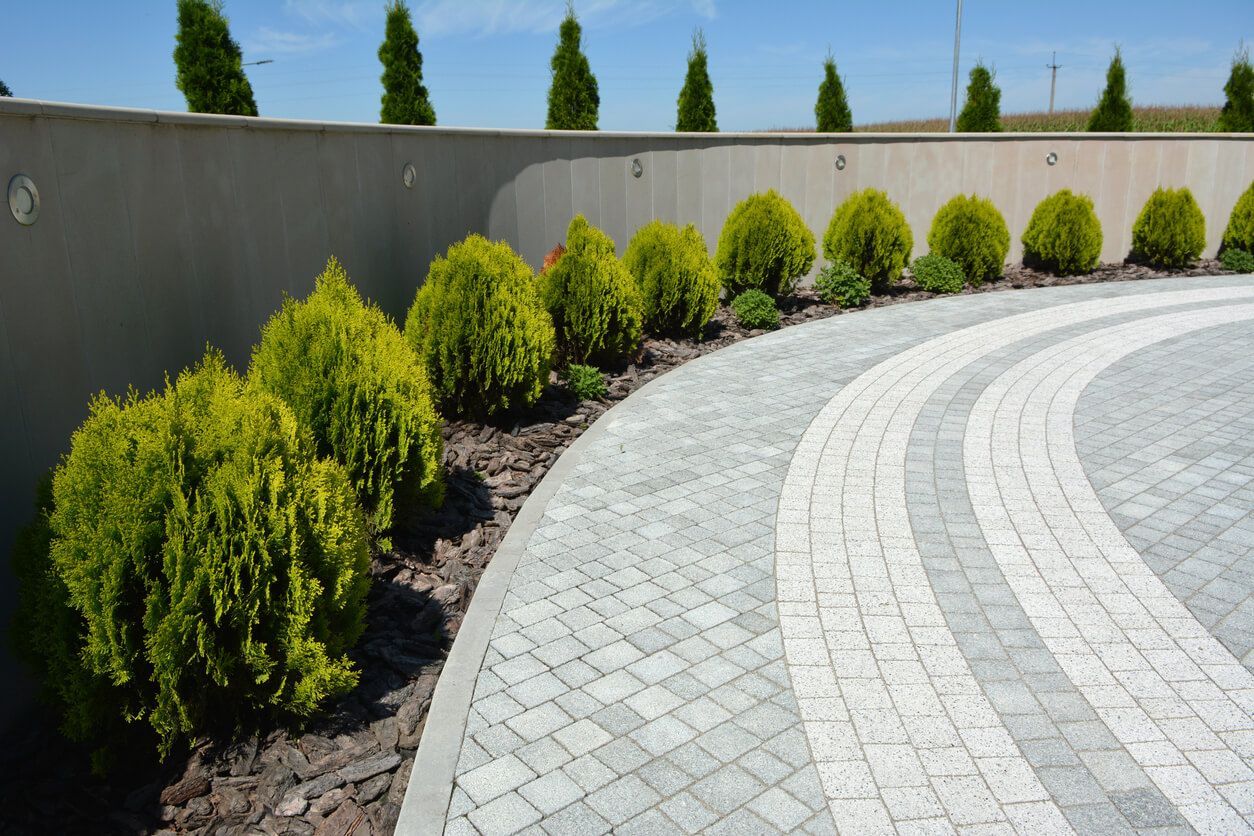
Commercial driveway paving improves durability and curb appeal for your business. Learn about costs, materials, and maintenance for long lasting results.
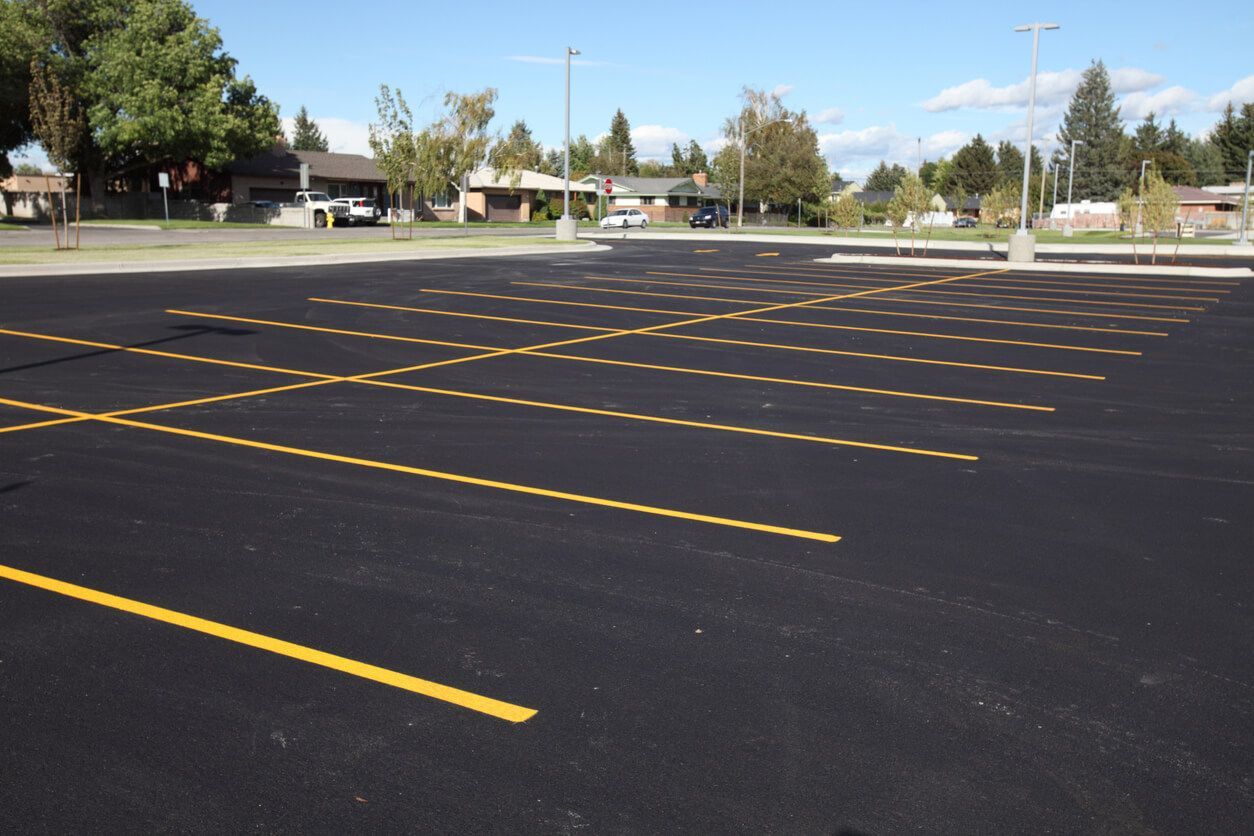
Spot the top signs your business parking lot needs professional paving, from cracks and potholes to drainage issues that impact safety and curb appeal.
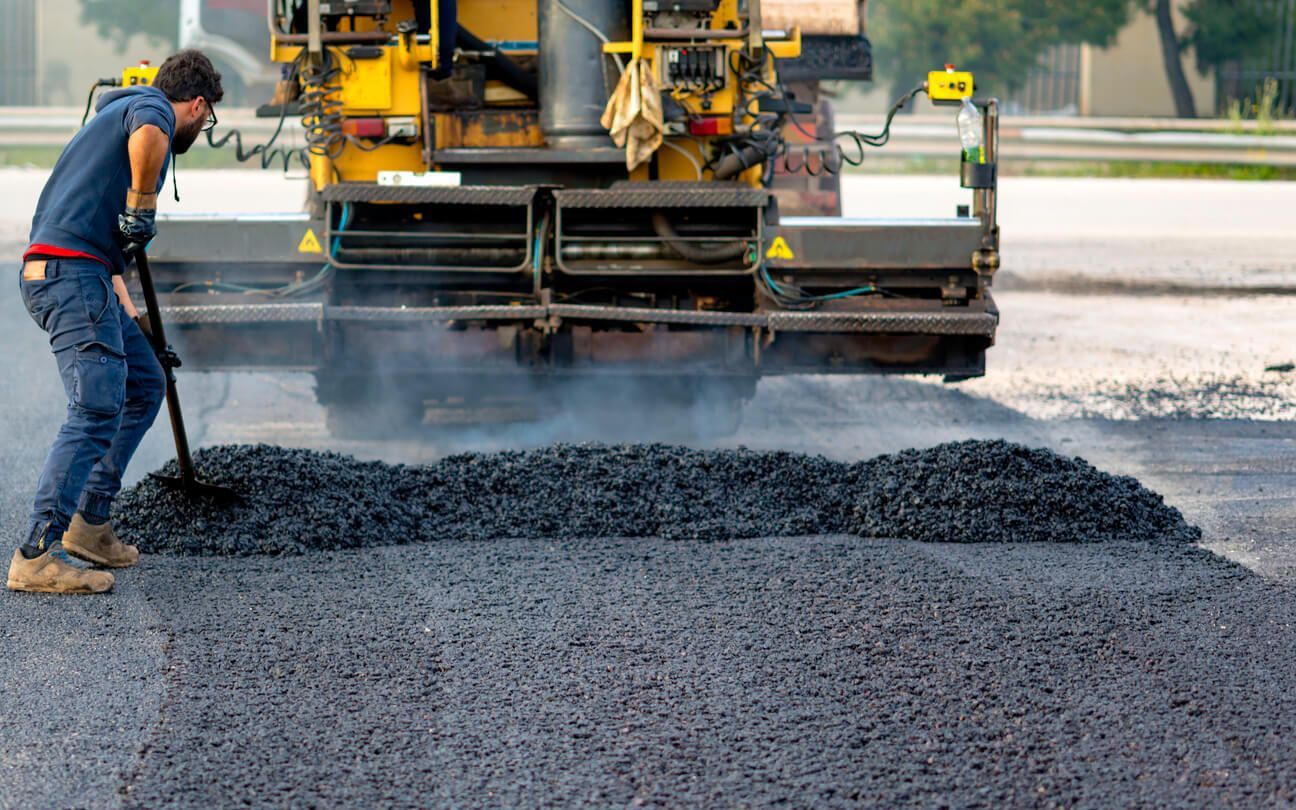
Learn why businesses choose asphalt resurfacing over full replacement for lower costs, faster turnaround, and long-lasting results with minimal disruption.
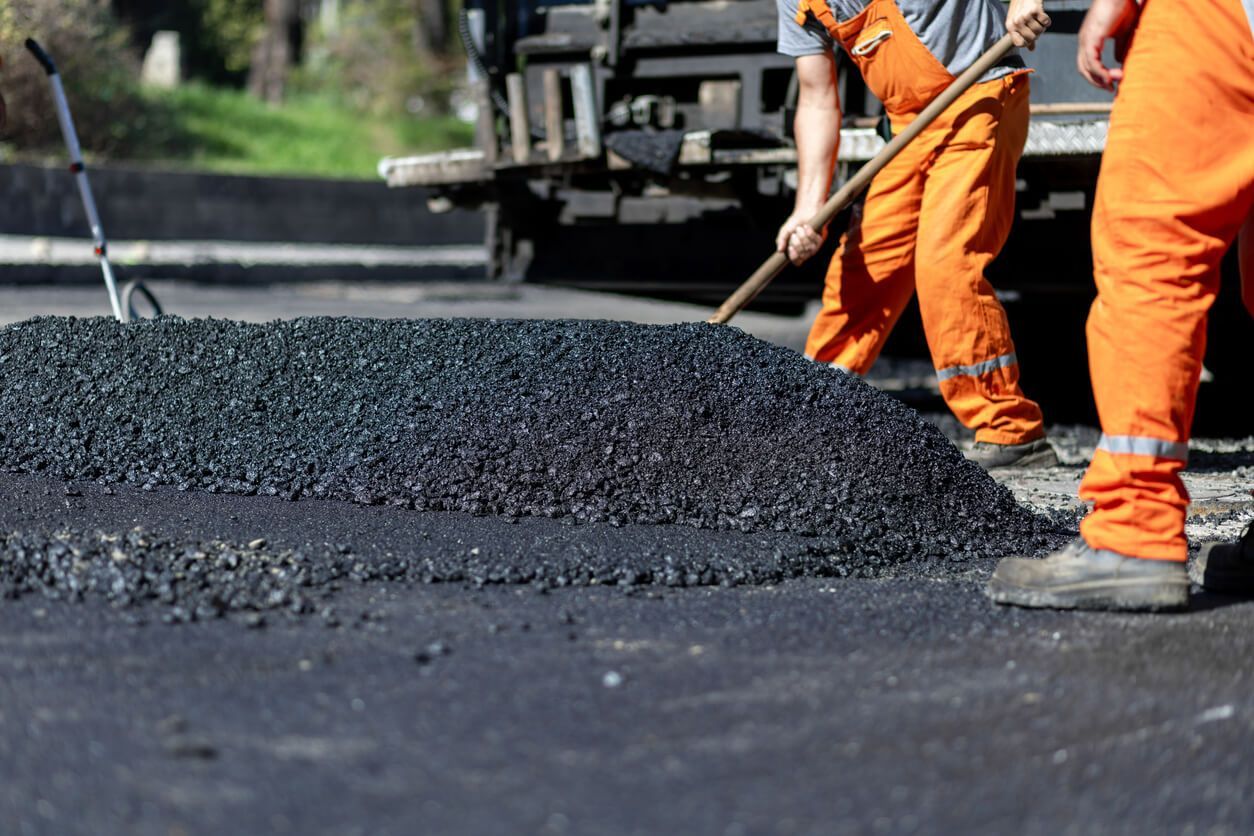
Discover where commercial asphalt paving services are most needed, from parking lots to industrial sites, and why proper paving matters for safety and durability.
Boost your home's curb appeal with easy, effective tips. Simple upgrades can make your property more attractive and welcoming instantly.
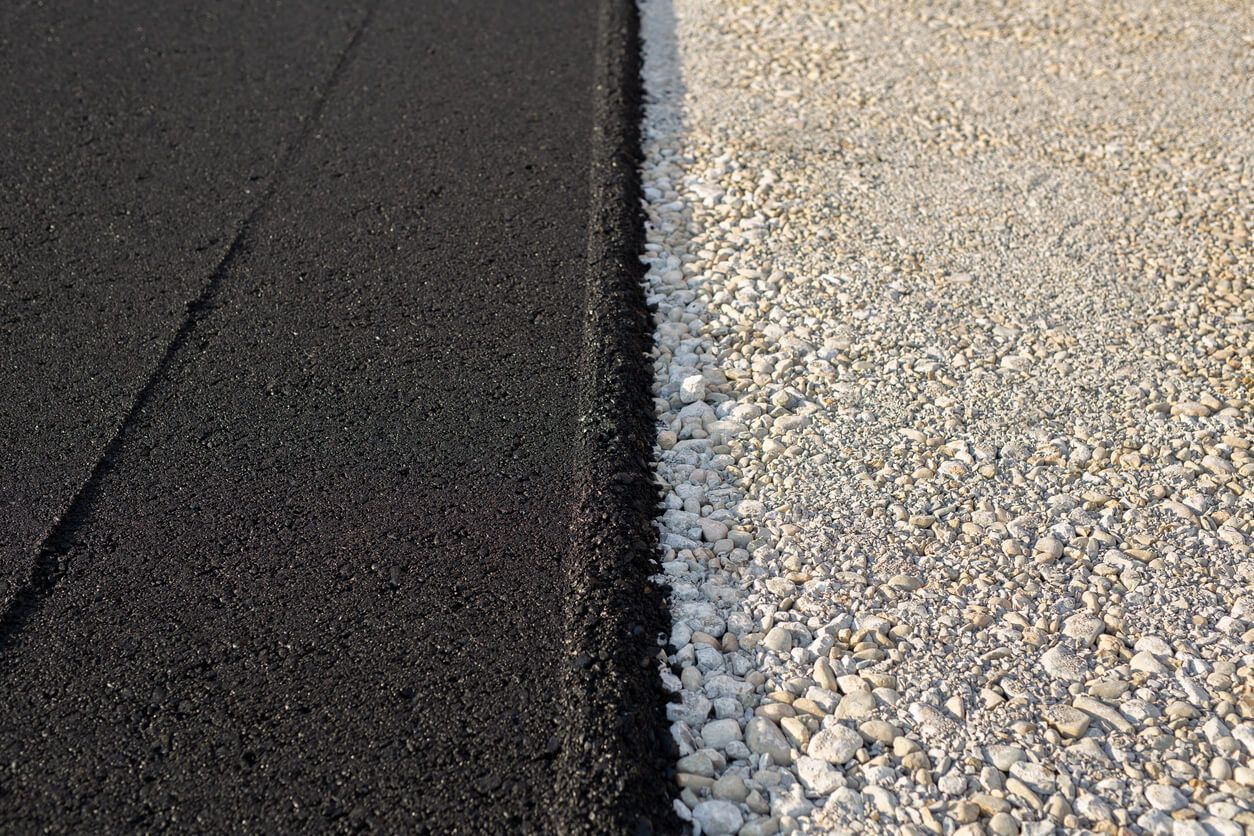
Gravel vs. asphalt: Compare costs, durability, and maintenance to choose the best surface for your driveway or project. Get expert insights today!
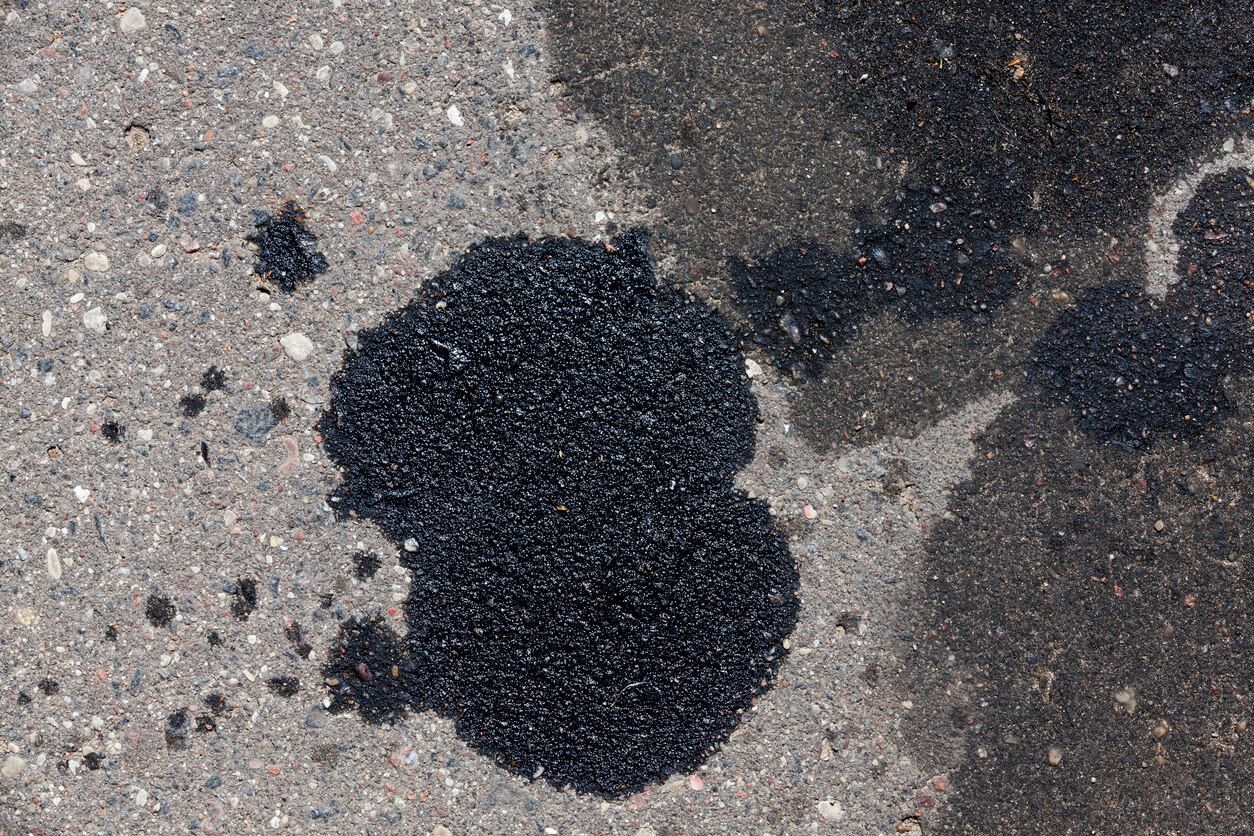
Learn how to remove oil stains from asphalt using proven DIY and professional methods. Restore your driveway’s look with simple, effective steps.
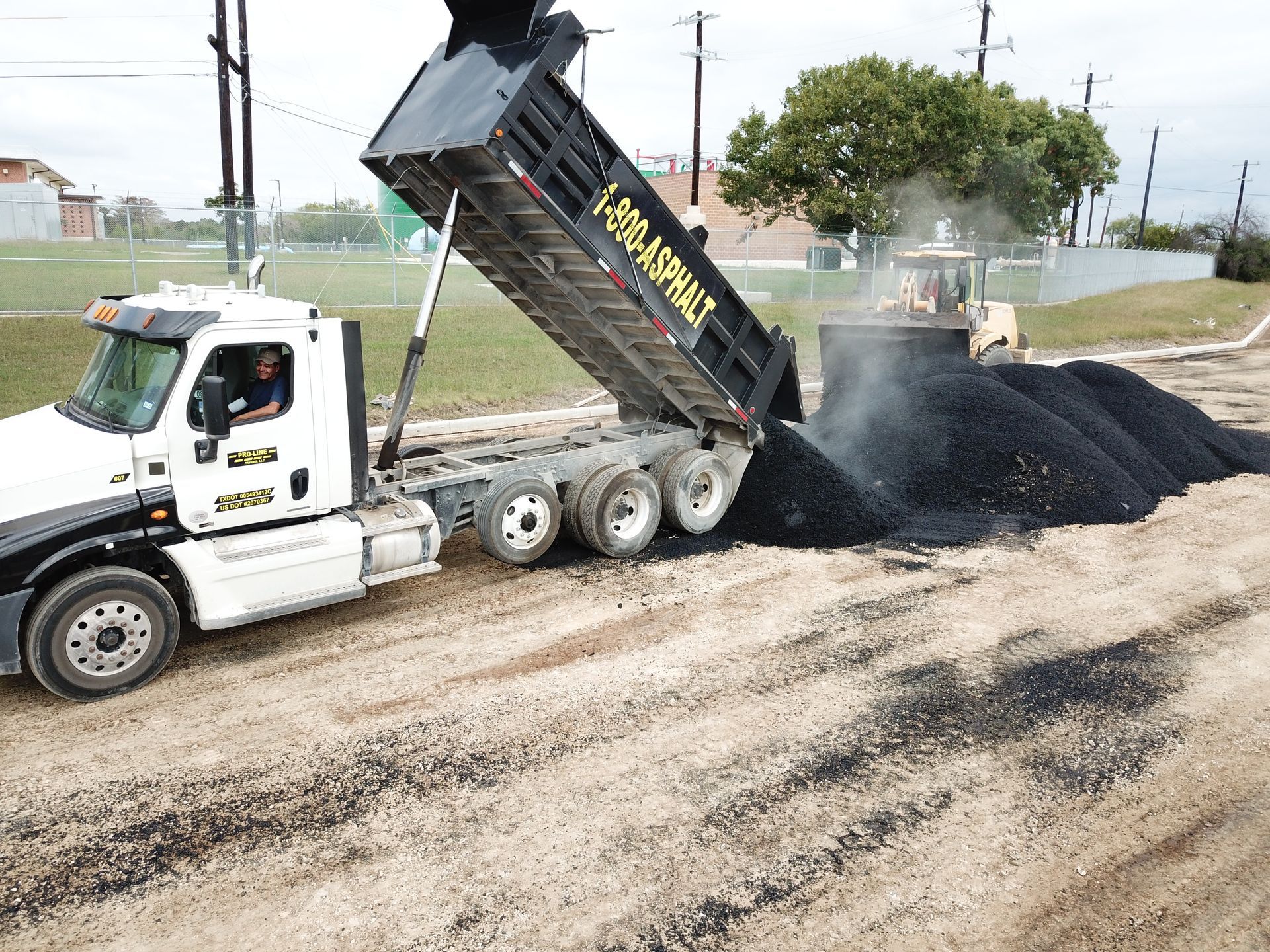
Learn how asphalt is made with Pro-Line Paving. Discover the materials, production process, and what makes quality asphalt durable for roads and driveways.
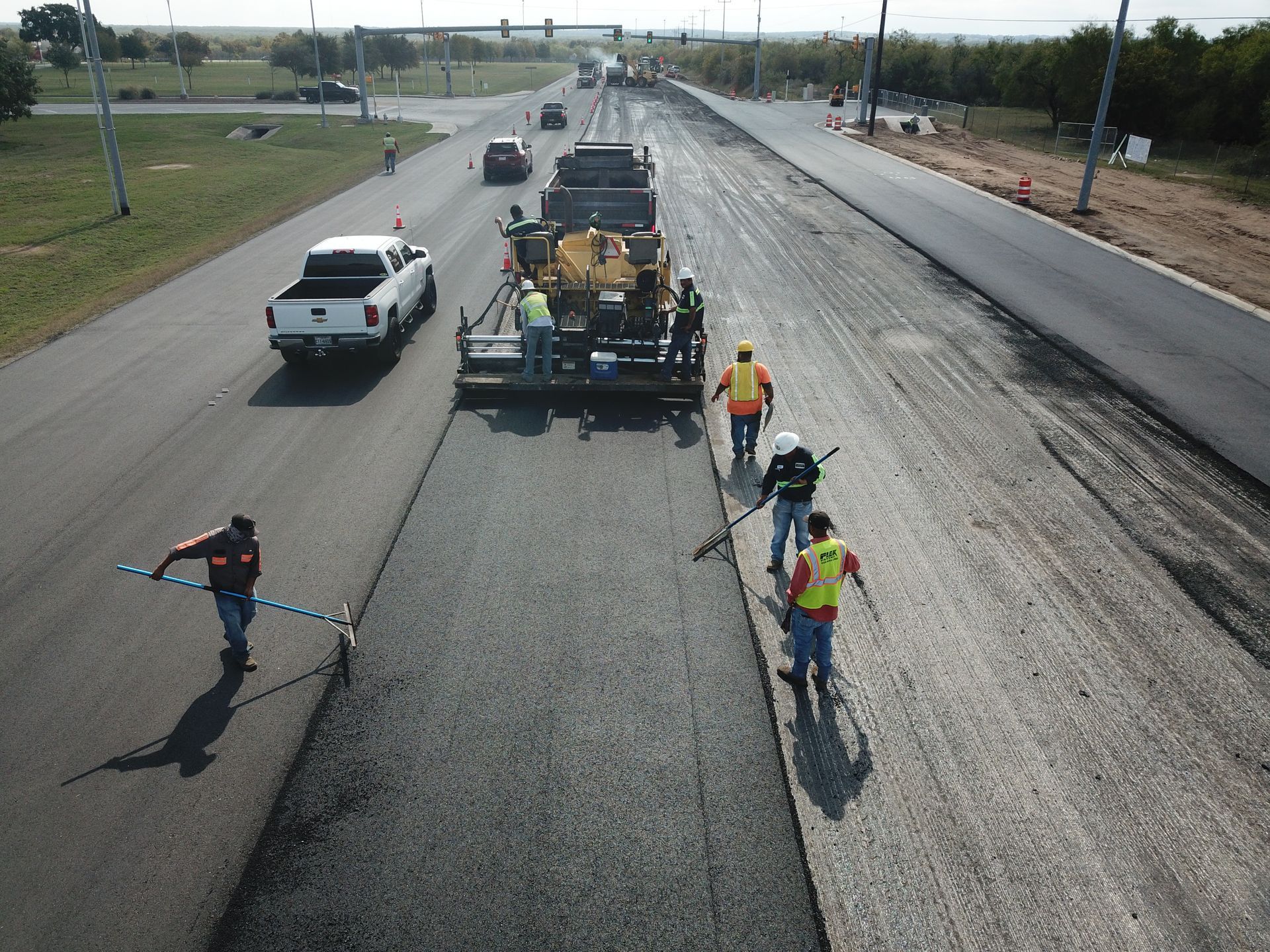
Compare asphalt vs. chip seal with Pro-Line Paving. Learn the differences in cost, durability, and maintenance to choose the best paving option for your property.

Discover the key differences between asphalt and concrete with Pro-Line Paving. Learn which surface offers better durability, cost, and long-term value.