

210-530-0062
Asphalt Vs. Chip Seal: Which One Works Best for Your Driveway?
Billy Scott • December 2, 2025
If you’re planning a new driveway or looking to upgrade an old one, you’ve probably run into two popular options: asphalt and chip seal. On the surface, they may look similar, but they perform very differently. Choosing the right one isn’t just about choosing the cheapest one; it’s about how you want your driveway to look, feel, and hold up over time.
In this article, we'll learn what asphalt and chip seals are and understand their material composition. We’ll also compare the costs, appearance, and paving process for each surface option. Lastly, you'll discover how chip seal and asphalt perform under San Antonio conditions, providing insight into which one can benefit you the most.
Disclaimer: Any prices or cost ranges mentioned are for general informational purposes only and do not represent a formal quote or guaranteed rate. Actual project costs can vary based on site conditions, materials, design requirements, and market factors. For an accurate, detailed estimate, contact a qualified asphalt contractor in San Antonio directly.
What Are Asphalt and Chip Seal Materials?
Asphalt is a flexible pavement made by combining aggregates (like crushed stone, sand, and gravel) with a petroleum-based binder called asphalt cement. The asphalt mixture is heated, thoroughly blended, and then laid and compacted while hot to create a smooth, dense, black surface. Because the aggregates and binder are tightly packed and well bonded, asphalt forms a durable, continuous mat that can handle regular vehicle traffic, making it a popular choice for commercial parking lots, roads, and residential driveways.
Chip seal, on the other hand, is a surface treatment built in layers rather than a thick, continuous mat. First, a thin layer of hot liquid asphalt binder is sprayed over a prepared base. Then a layer of small, clean stone (chips) is spread over the binder and rolled into place. Excess stone is swept away after the binder cures. The result is a textured surface where the aggregate is visibly embedded in the asphalt, offering a more rustic look, less material thickness, and a different balance of traction and smoothness compared to traditional asphalt pavement.
Asphalt and Chip Seal: How Much Do They Cost?
Now that we’ve explored what asphalt and chip seal are made of, let’s learn how much each option usually costs. Understanding these key differences will help you make the best choice for your driveway budget and needs in San Antonio:
Asphalt Paving Costs
Asphalt usually costs more upfront than chip seal, but it provides a smoother, more flexible, and longer-lasting surface when built correctly. New asphalt surfaces with base work typically ranges from approximately $3.00 to $8.00 per square foot, with light residential at the lower end and heavy commercial or industrial at the higher end. If the existing asphalt and base are in good condition, an asphalt overlay is slightly less expensive, often around $2.00 to $5.00 per square foot.
Factors That Affect Asphalt Costs
- Site Preparation & Base Work. Site prep and base work are major cost factors. This includes clearing, grading for proper drainage, and sometimes adding or replacing base rock. Heavier traffic areas, such as truck routes and loading zones, require stronger bases, which are more expensive but provide better long-term performance.
- Asphalt Thickness & Mix Type. Thicker asphalt requires more material, resulting in higher costs. But it can handle heavier loads and generally lasts longer. Specialty mixes designed for high traffic or high heat also tend to be more expensive per ton than standard mixes.
- Project Size & Layout. Smaller projects often have a higher cost comparison per square foot because mobilizing equipment and crews is less efficient. Irregular layouts, tight areas, and numerous edges or obstacles increase labor time and raise the overall price.
- Access & Existing Conditions. Difficult access for trucks and paving equipment can slow work and increase costs. Existing pavement that requires removal, deep repairs, or significant drainage corrections also contributes to the total price but is essential for long-term performance.
- Extras & Add-Ons. Items such as striping, pavement markings, seal coating, and signage contribute to the project cost. ADA compliance upgrades, such as accessible parking signs and markings, are typically priced as separate line items from the main paving work.
Chip Seal Costs
Chip seal is a lower-cost surface treatment that combines liquid asphalt emulsion with a layer of stone chips. It's rougher than asphalt and often used on low-speed roads, driveways, and rural properties in San Antonio. A single chip seal application generally costs around $1.50 to $3.50 per square foot, while a double chip seal with two layers usually ranges from about $2.50 to over $5.00 per square foot, offering greater durability at a higher initial cost.
Factors That Affect Chip Seal Costs
- Surface Preparation. Surface preparation is a key cost factor for chip seal. It usually includes cleaning the existing surface and making minor repairs so the new treatment bonds well. Potholes and deep ruts often need to be leveled before chip sealing. More extensive prep work costs more but improves performance and lifespan.
- Number of Layers. The number of layers affects both cost and durability. A single chip seal is a lower-cost option and is suited for lighter-duty use. A double chip seal uses more stone and emulsion, which increases the price but provides better durability and a somewhat smoother surface.
- Stone Type & Size. Stone type and size influence both appearance and cost. Larger or premium aggregates usually cost more. The desired look, including color and texture, can impact material selection and overall pricing, particularly for driveways or private roads.
- Project Size & Access. Project size and access conditions also impact pricing. Small or remote jobs often have higher costs per square foot because mobilizing crews and equipment is less efficient. Longer driveways or private roads may benefit from economies of scale and a lower per-square-foot cost.
- Striping & Markings (if needed). Some chip-sealed roads or driveways may require striping, such as centerlines, edge lines, or symbols. These markings are typically billed as separate line items and are not included in basic chip seal pricing, although they do improve safety and organization.
Differentiating the Appearance of Asphalt vs Chip Seal Driveways
Asphalt driveways have a smooth, uniform, and solid black appearance, especially when newly installed or freshly seal-coated. The surface looks sleek and continuous, with a fine texture that feels relatively even underfoot and under tires. Over time, asphalt may fade from a deep black to a dark gray, but it generally preserves a clean and consistent look when properly maintained. This makes asphalt a popular choice for homeowners and commercial properties that need a sleek pavement surface.
Chip seal surfaces typically resemble a compacted layer of loose stone and have a noticeably rougher, more textured surface. You can clearly see and feel the individual rock chips in the asphalt emulsion, which creates a more rustic or rural look. Color and texture depend on the stone used, so chip seal surfaces may appear lighter, more varied, or more natural than standard black asphalt. It's not as smooth or refined as asphalt, but it often blends well with country, ranch, or large rural properties.
The Paving Process of Asphalt and Chip Seal
Once you have chosen between asphalt and chip seal, the next step is to understand how each surface is actually installed on San Antonio surfaces. Knowing the basic construction process of each material helps you set realistic expectations for timing, cost, and how your driveway will perform over time.
Asphalt Paving Process
1. Site Evaluation and Planning
The contractor first inspects the site to understand soil conditions, drainage, traffic needs, and any problem areas. They measure the space, identify high and low spots, and plan the driveway layout, thickness, and any necessary drainage improvements.
2. Excavation and Grading
Existing grass, old pavement, or unsuitable soil is removed to the required depth. The area is then graded so water drains away from buildings and does not pool on the driveway. Proper grading is critical for long-term performance and to prevent water damage.
3. Base Installation and Compaction
A layer of base material, typically crushed gravel or stone, is placed and compacted using heavy rollers. This base supports the asphalt and helps distribute loads from vehicles. A strong, well-compacted base reduces the risk of cracking, sinking, and potholes later.
4. Asphalt Placement
Hot-mix asphalt is delivered and spread over the prepared base to the specified thickness. Paving machines and hand tools are used to shape the surface and tie in edges. The asphalt remains workable for a limited time, so this step is done efficiently to ensure a consistent finish.
5. Compaction and Finishing
Rollers compact the asphalt to lock the loose aggregate together and remove air voids. This creates a dense, smooth surface that sheds water properly. The crew checks joints, edges, and transitions to ensure the driveway is even and ready for traffic after the proper cooling and curing time.
Chip Seal Paving Process
1. Surface Preparation
The existing driveway or road is cleaned of dirt, dust, and loose material, and minor repairs are made. Potholes, ruts, or weak spots are patched or leveled so the chip seal can bond well and wear evenly. Good prep helps prevent early failure.
2. Application of Asphalt Emulsion
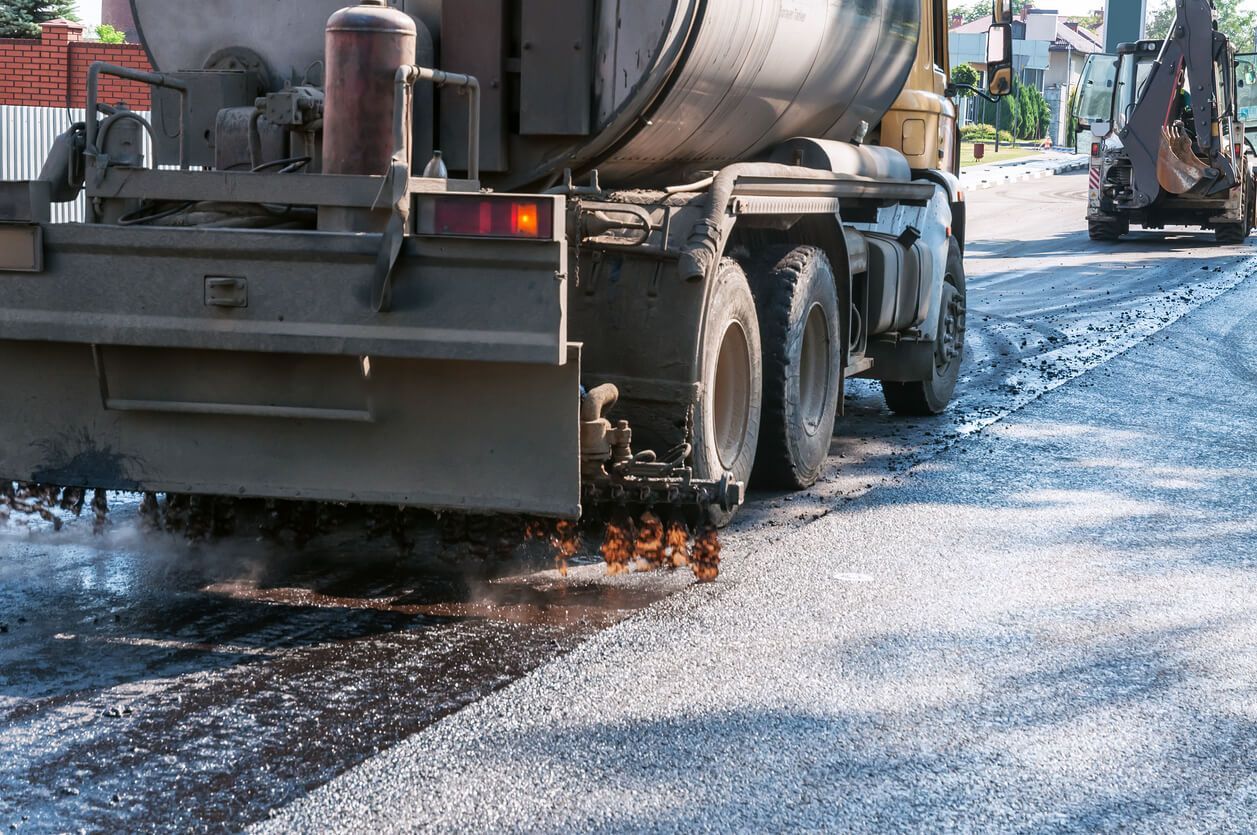
A distributor truck sprays a controlled layer of hot liquid asphalt emulsion over the prepared surface. This liquid acts as the “glue” that will hold the stone chips in place. The application rate is carefully set to match the condition and use of the driveway.
3. Spreading the Stone Chips
Immediately after the emulsion is sprayed, a chip spreader applies a uniform layer of stone chips over the surface. The chips are selected based on size and type, considering both performance and appearance. Timing is important so the chips embed properly while the emulsion is still tacky.
4. Rolling and Compaction
Rubber-tire or steel rollers pass over the surface to press the stone chips into the asphalt emulsion. This step locks the stones in and creates a tighter, more stable surface. Proper rolling reduces loose rock and helps the chip seal driveway hold up under traffic.
5. Sweeping and Final Cleanup
After the emulsion has set, excess loose stone is swept off the surface. This improves appearance, reduces tracking, and makes the driveway safer to drive and walk on. In some cases, an additional sweep is done after some traffic to remove any remaining loose chips.
How Chip Seal and Asphalt Perform Under San Antonio Conditions
San Antonio’s extreme heat, strong sun, and sudden heavy rains are tough on pavement, but well-built asphalt usually handles these conditions better. With a solid base, asphalt’s flexible structure tolerates minor soil movement and regular traffic, while routine seal coating and crack sealing help protect it from UV damage and drying.
Chip seals perform differently in the same climate. Its rough, stone surface sheds water well and works best on low-speed, lighter-traffic driveways or rural roads, but it is more prone to stone loss and wear under frequent turning or heavy vehicles, making it better suited for long, lightly used drives than busy, polished-looking properties.
Contact Pro-Line Paving for Reliable Asphalt Solutions in San Antonio, TX
If you're leaning toward asphalt for your driveway, parking lot, or private drive lanes, you can trust Pro-Line Paving to do it right the first time. Based in San Antonio and serving South Texas for over 30 years, we offer comprehensive, high-quality asphalt solutions tailored to the conditions of Texas. Our experienced crew handles the entire paving process, providing you with a smooth, long-lasting surface and a hassle-free experience.
Contact us to further discuss how we can begin your asphalt paving project in San Antonio.
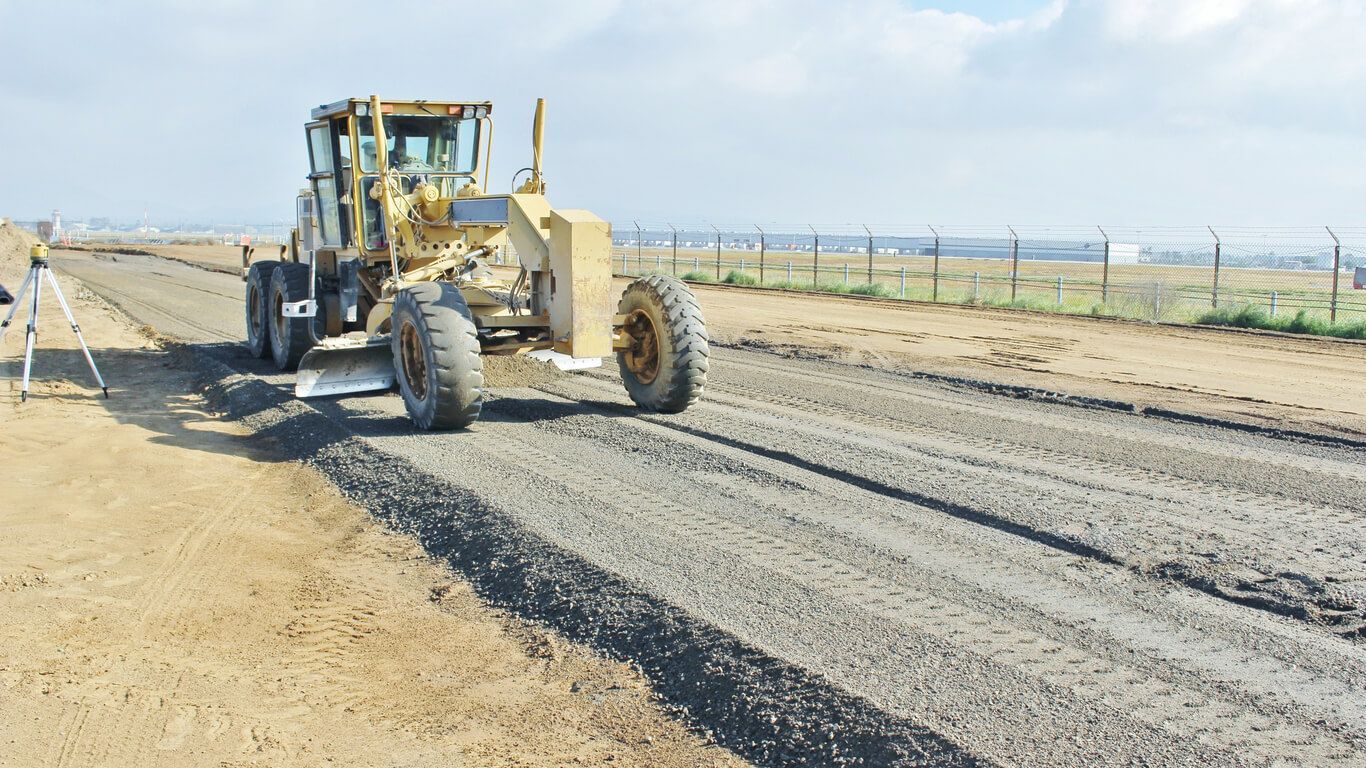
Asphalt subgrade preparation decides whether pavement lasts. Proper compaction, moisture control, and stabilization prevent ruts and cracks in South Texas.
What is seal coating a driveway? Learn how sealcoat shields asphalt from sun, water, and oil, coal tar vs. emulsion sealers, and when it’s time to reseal.
HOA paving shouldn't mean budget surprises. Learn how to build a long-term asphalt plan covering maintenance, sealcoating, and repairs.
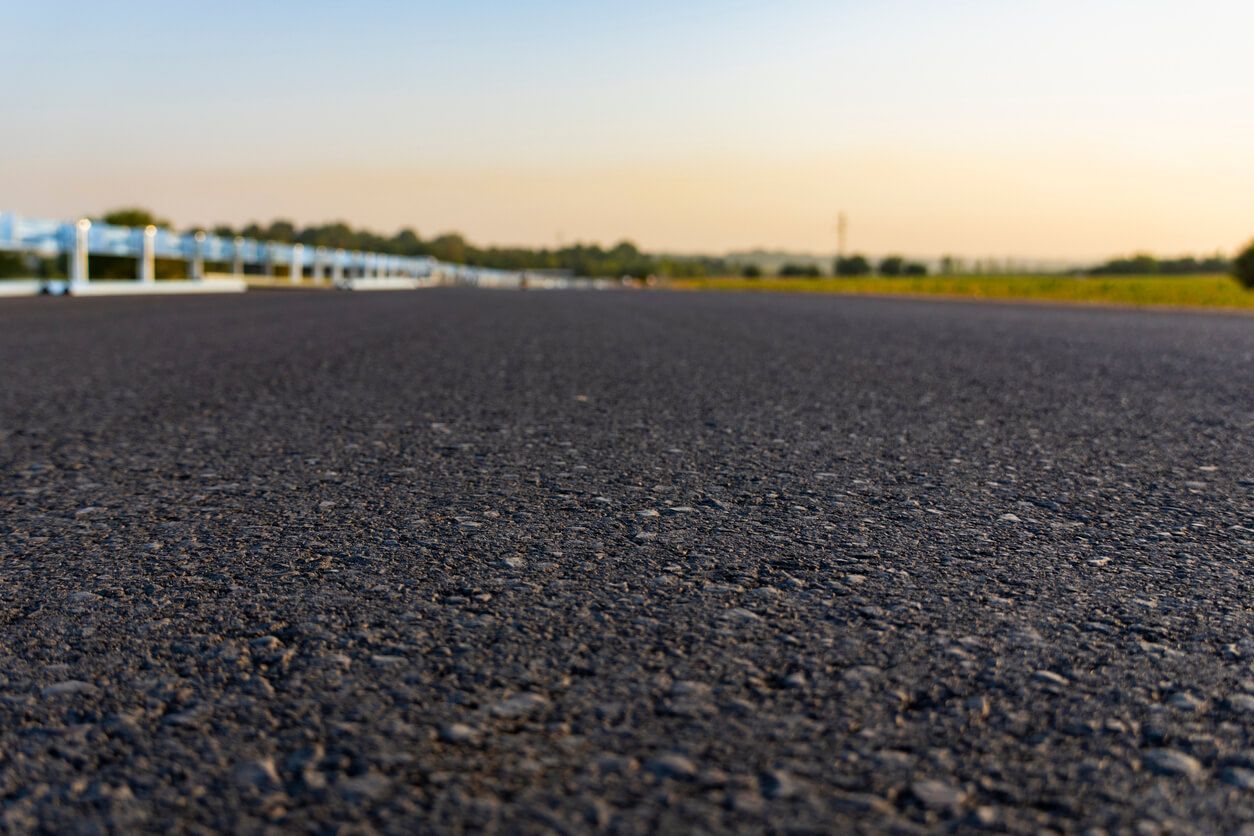
How long does asphalt last? Explore average lifespan ranges and the main factors that cause asphalt to age, crack, or wear out.
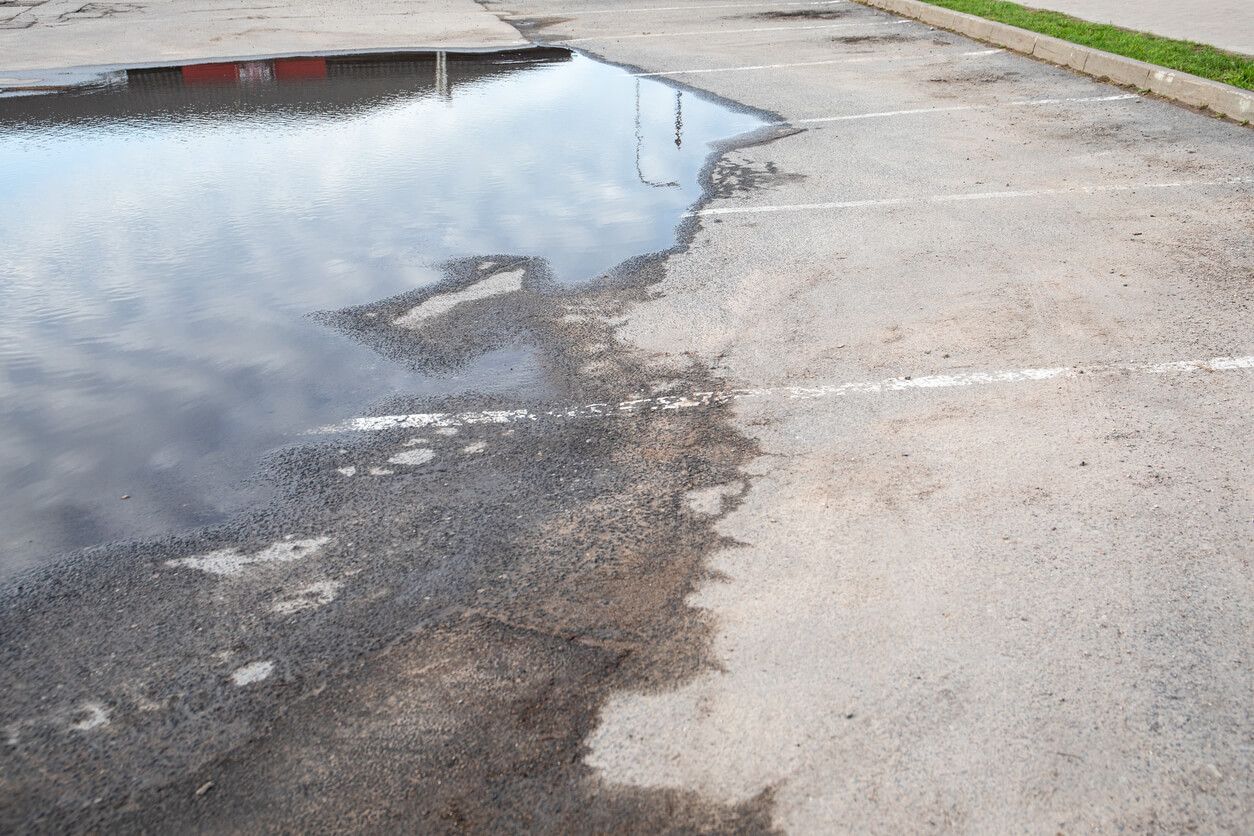
Learn why parking lot drainage problems happen, how water buildup affects asphalt, and which warning signs may point to larger site issues.
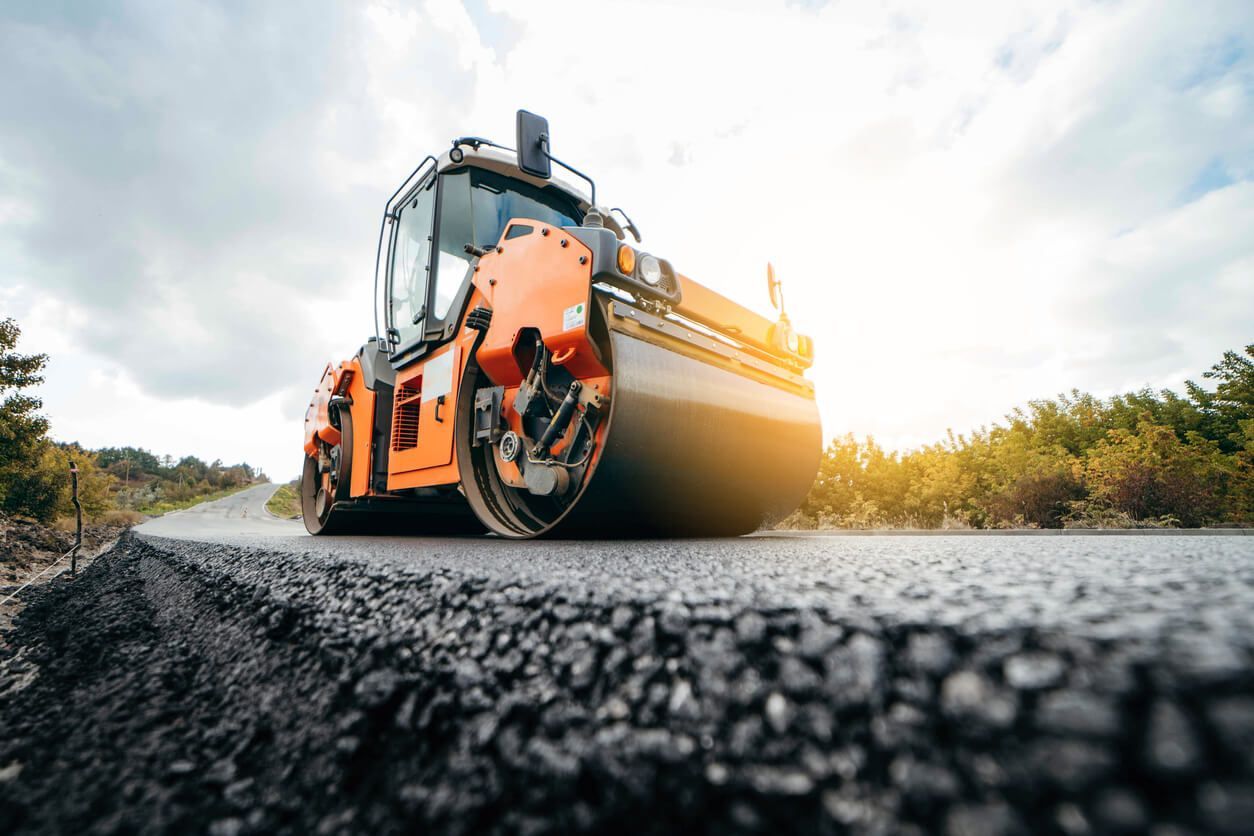
Wondering about asphalt vs blacktop? Learn their key differences and why the right choice depends on how the pavement will be used.

Learn what alligator cracking asphalt is and why it signals structural failure. Discover the common causes for pavement fatigue in San Antonio and South Texas.
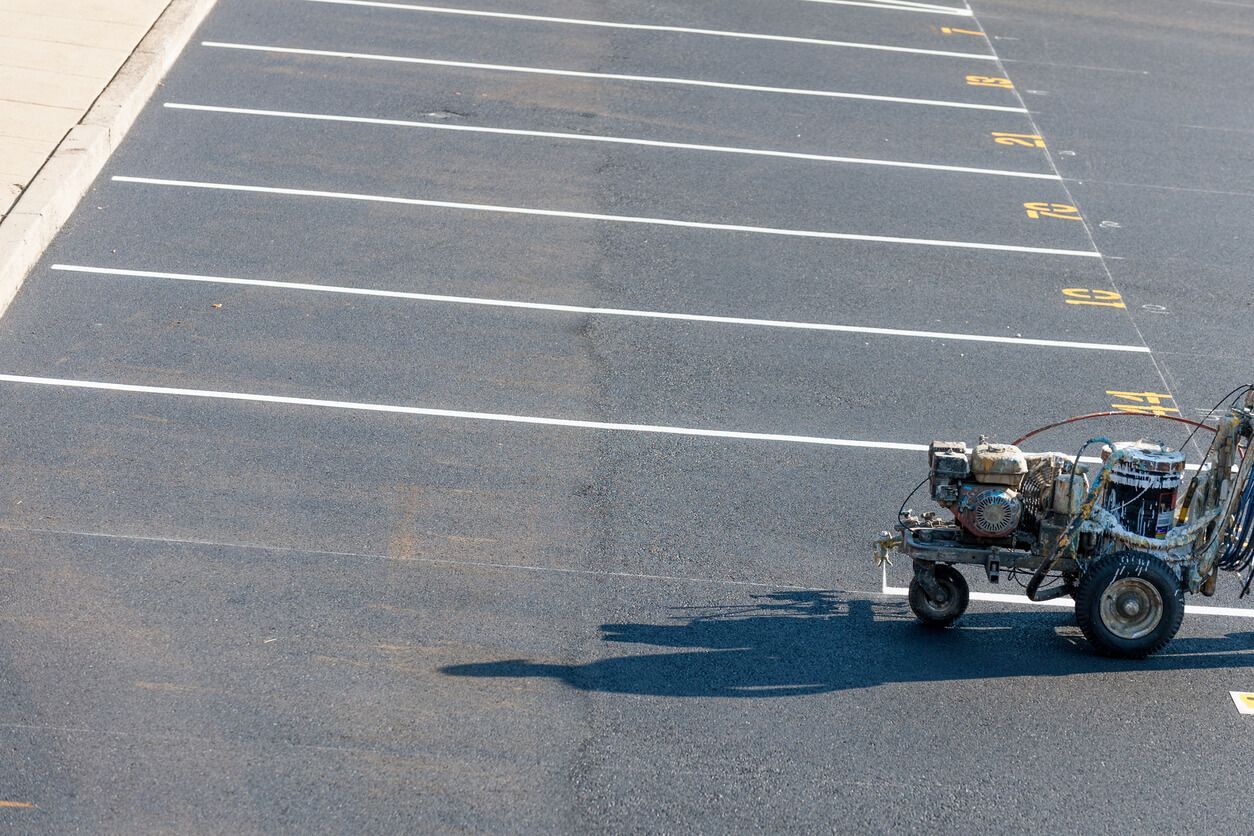
ADA parking striping requirements explained. Learn compliance rules, layouts, fire lanes, and how to keep your lot safe and inspection ready.
Asphalt sealcoating protects pavement from UV, water, and wear extend surface life, reduce repairs, and keep your property looking clean and professional.
Wondering what an asphalt driveway costs in Texas? Learn the real price ranges for overlays, full replacements, and repairs — plus what affects your final quote. Free estimates available in San Antonio.