

210-530-0062
How To Remove Oil Stains From Asphalt
Sino Baduza • January 9, 2026
Oil spots on a driveway or parking lot don't just look unattractive; they also slowly eat away at your asphalt. Left untreated, these stains can soften the surface, leading to cracks, potholes, and costly repairs. Tackling them early keeps your pavement in San Antonio stronger, safer, and better looking.
In this article, we'll show you how to remove oil stains on asphalt. You’ll learn which cleaners actually work, what common household products to skip, and exactly when and how to act. With a few simple steps, you can restore your pavement and protect your investment.
Why You Should Never Let Oil Touch Asphalt
Before you even reach for a cleaner, it helps to understand why oil is such a problem for asphalt. Here are different reasons why you should never let oil sit on your asphalt surface:
- Oil Dissolves Asphalt Binder. Oil is a petroleum product that dissolves the asphalt binder holding your pavement together. As the binder breaks down, rock aggregate loosens, and the surface becomes soft and unstable. This chemical damage is permanent and usually cannot be reversed with simple cleaning or light maintenance.
- Soft Spots and Surface Deformation. Softened asphalt deforms under the weight of vehicles, creating ruts, dips, and depressions where oil has seeped in. These low spots collect more water and oil, which speeds up further deterioration. Over time, your once smooth pavement in San Antonio becomes uneven, uncomfortable to drive on, and harder to keep clean.
- Oil Speeds Cracking and Potholes. Oil breaks the bond between the asphalt and the base layer, allowing moisture to penetrate deeper. Once water reaches the base, it weakens support and creates voids beneath the surface. This hidden damage eventually manifests as cracks, potholes, and full-depth failures, which require expensive reconstruction.
- Serious Slip and Skid Hazard. Oil-slicked pavement becomes dangerously slippery, especially during rain when water lifts fresh oil to the surface. Drivers may lose traction when turning, braking, or accelerating over contaminated areas. Pedestrians are also at risk, as oily spots can cause unexpected slips in parking lots and driveways.
- Oil Stains Hurt Curb Appeal. Oil stains leave dark, blotchy spots that make even newer pavement look old, neglected, and poorly maintained. Customers, tenants, and visitors notice these blemishes immediately when they pull into your property. Dirty, stained asphalt can lower curb appeal, hurt your image, and even affect perceived property value.
- Small Oil Spots, Big Repair Bills. Ignoring oil spots now almost always leads to more expensive structural repairs later. What starts as a small stain can develop into cracking, base failure, and necessitate full replacement. Investing a little in quick cleanup and sealing saves significant money over the pavement’s lifespan.
- Oil Runoff and Environmental Issues. Oil left on asphalt can wash into storm drains during rain, carrying pollutants into local waterways. Many municipalities have regulations about preventing runoff contamination from parking lots and driveways. Allowing oil to spread unchecked could contribute to violations, fines, or mandatory remediation requirements.
Effective Ways to Remove Oil Stains on Asphalt
Once oil hits your asphalt, you need to quickly clean and remove it before it creates a permanent stain. Here are effective ways on how to remove oil stains from asphalt driveways and other surfaces:
Absorb Fresh Spills Immediately
If you catch a spill early, start by absorbing as much oil as possible. Cover the spot with clay-based cat litter or oil-absorbent granules, then gently press them into the surface. Let it sit for several hours or overnight, then sweep up and dispose of the saturated material properly.
Use Dish Soap and Hot Water
For light, recent stains, dish soap and hot water can work surprisingly well. Apply a generous amount of grease-cutting dish soap directly to the stain. Scrub with a stiff-bristle brush, then rinse thoroughly with hot water, repeating until the stain lightens.
Apply an Asphalt-Safe Degreaser
For tougher stains, use a degreaser specifically labeled safe for asphalt surfaces. Spray or pour the product on the stained area and allow it to dwell as directed. Scrub with a stiff brush, then rinse thoroughly, making sure runoff does not flow into storm drains.
Try a Baking Soda or Powder Poultice
For smaller spots, a simple powder poultice can help lift oil from the surface. Sprinkle baking soda, cornstarch, or talcum powder over the stain and gently work it in. Let it sit for several hours, then sweep and rinse, repeating if the stain is still visible.
Use a Pressure Washer Carefully
Pressure washing can help remove surface oil and soap, or degreaser residue. After applying your chosen cleaner, use a pressure washer on a moderate setting to rinse. Keep the nozzle moving to prevent damaging the asphalt, and direct runoff away from landscaping and drains.
Scrub With a Stiff Bristle Brush
Mechanical scrubbing boosts the effectiveness of almost any cleaning product you use. Choose a stiff-bristle deck brush or push broom, not a wire brush. Work the cleaner deeply into the stain, then rinse thoroughly to carry away loosened oil and residue.
Use a Commercial Asphalt Cleaner
Specialty asphalt cleaners are designed to cut oil without overly softening the pavement. Follow the manufacturer’s directions for application, dwell time, and rinsing. These products can be especially useful for commercial lots or older, stubborn stains that household products cannot remove.
Use an Enzyme-Based Oil Remover
Enzyme-based cleaners use microbes to break down oil without harsh chemicals that can damage asphalt. Apply the product, let it dwell as directed, then lightly scrub and rinse to remove remaining residue. These cleaners work slowly, so you may need to apply them multiple times for older or heavily saturated stains.
How to Protect Your Asphalt From Oil Stains and Other Debris
Removing stains is important, but preventing them is even better for your asphalt. Below are practical methods to protect your San Antonio pavement from oil and everyday debris:
- Sealcoat Your Asphalt Regularly. Sealcoating adds a protective layer that helps block oil, gas, and other automotive fluids. It also shields the surface from the sun, water, and daily wear that open tiny cracks. A regular sealcoat schedule keeps asphalt tighter and less likely to absorb stains or moisture.
- Clean Up Oil Spills Right Away. The longer oil sits, the deeper it seeps into your asphalt surface. Blot fresh spills with absorbent material, then wash the area with soap or asphalt-safe cleaner. Quick cleanup limits damage and makes stains much easier to remove later.
- Use Drip Pans or Parking Mats. Place drip pans or absorbent parking mats under vehicles that tend to leak oil or other fluids. These barriers catch spills before they ever reach the asphalt surface. They are especially useful in loading zones, delivery areas, and frequently used parking spots.
- Sweep and Blow Debris Regularly. Leaves, dirt, and trash retain moisture and chemicals that can slowly break down asphalt if left unattended. Regular sweeping or blowing keeps the surface cleaner and reduces places where oil can hide. Cleaner pavement also makes new leaks and stains easier to spot early.
- Schedule Routine Asphalt Inspections. Walk your pavement regularly and look for new stains, cracks, or soft spots that may be forming. Catching problems early allows simple repairs instead of major reconstruction later. You can also monitor known leak-prone areas and address issues before they spread.
- Keep Water Draining Away Properly. Standing water mixes with oil and debris, then pushes them deeper into your asphalt. Make sure gutters, inlets, and slopes direct water away from the pavement quickly. Good drainage protects both the surface and the base from long-term weakening and staining.
- Designate Maintenance and Parking Areas. Keep leaky vehicles, equipment, and maintenance activities in specific, easy-to-clean areas. You can sealcoat or reinforce these zones more often than the rest of your pavement. Concentrating spills in predictable spots makes protection, cleanup, and long-term planning much more manageable.
Keep Your Asphalt Surfaces Durable and Appealing—Contact Pro-Line Paving Today!
If you want asphalt that stays durable and attractive, trust Pro-Line Paving, your locally owned San Antonio pavement partner. We handle everything from new paving, repairs, patching, and milling and overlay to sealcoating, striping, and traffic signage. With over 30 years of experience across South Texas, we deliver tough surfaces and simple, honest communication on every job.
Contact us today to schedule a site visit, discuss options, and get an honest, detailed quote for long-lasting results.

HOA paving shouldn't mean budget surprises. Learn how to build a long-term asphalt plan covering maintenance, sealcoating, and repairs.

How long does asphalt last? Explore average lifespan ranges and the main factors that cause asphalt to age, crack, or wear out.
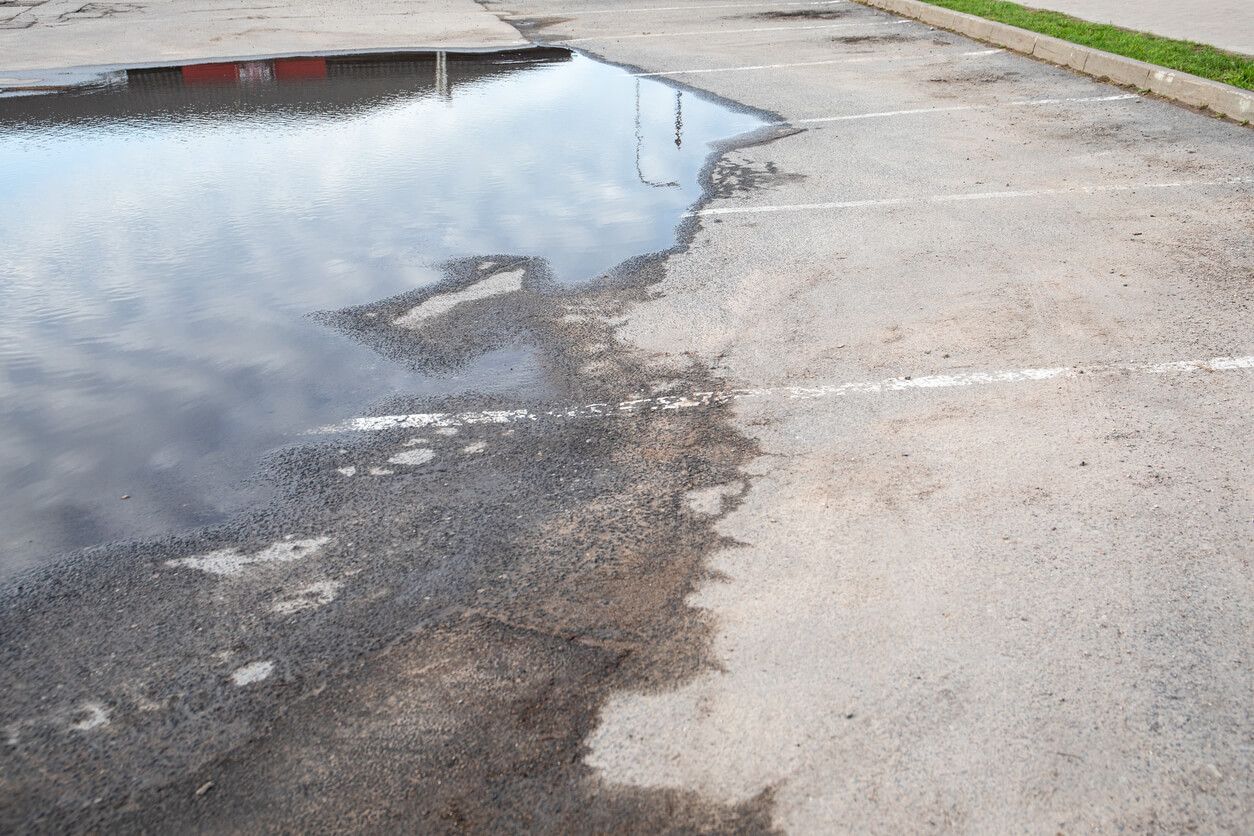
Learn why parking lot drainage problems happen, how water buildup affects asphalt, and which warning signs may point to larger site issues.
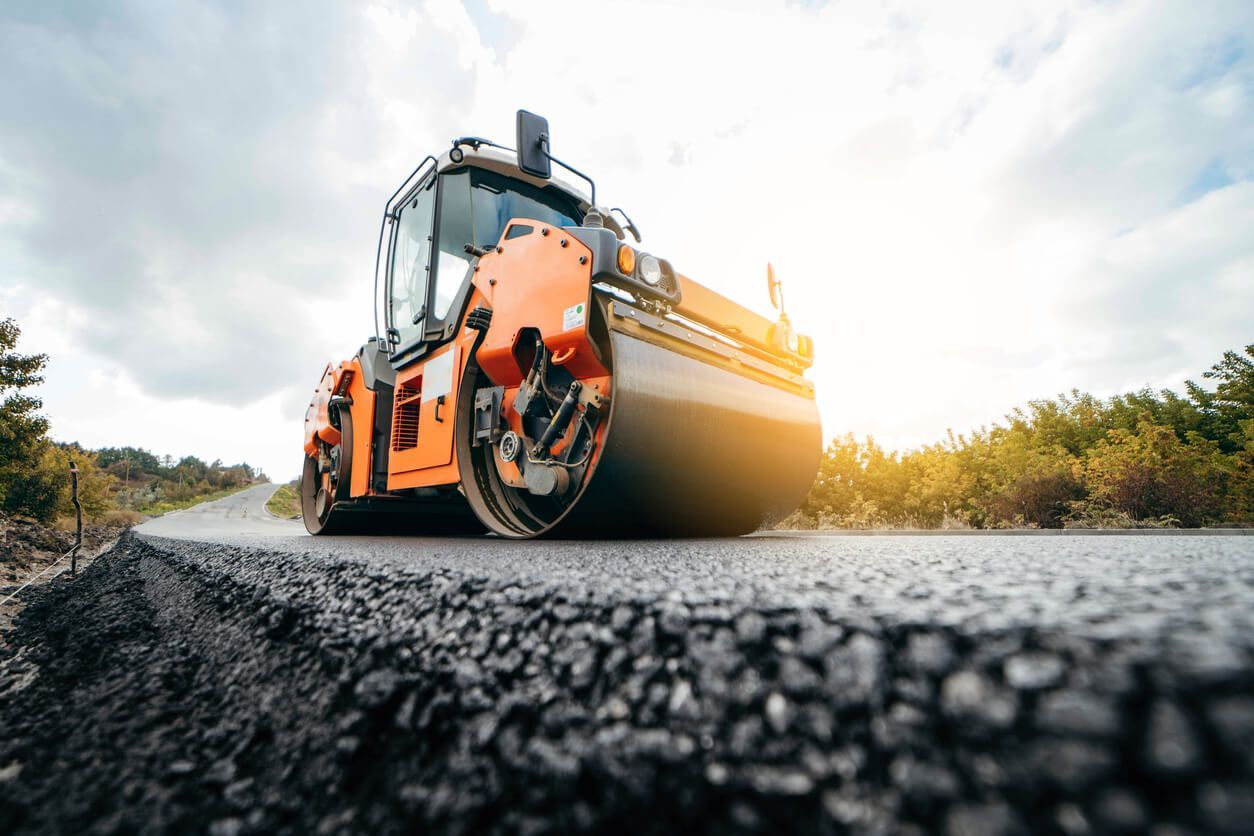
Wondering about asphalt vs blacktop? Learn their key differences and why the right choice depends on how the pavement will be used.

Learn what alligator cracking asphalt is and why it signals structural failure. Discover the common causes for pavement fatigue in San Antonio and South Texas.
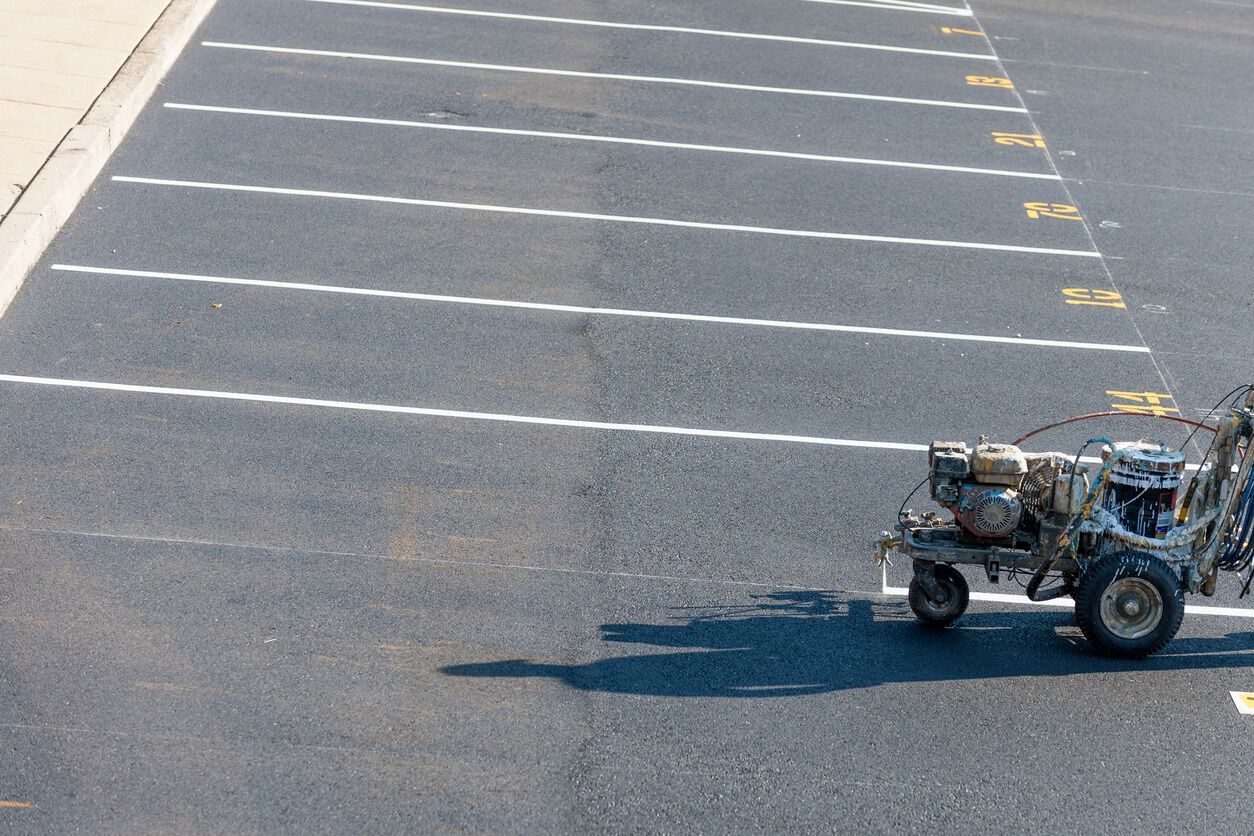
ADA parking striping requirements explained. Learn compliance rules, layouts, fire lanes, and how to keep your lot safe and inspection ready.
Asphalt sealcoating protects pavement from UV, water, and wear extend surface life, reduce repairs, and keep your property looking clean and professional.
Wondering what an asphalt driveway costs in Texas? Learn the real price ranges for overlays, full replacements, and repairs — plus what affects your final quote. Free estimates available in San Antonio.
Comparing concrete vs asphalt parking lots? See how each material stacks up in cost, lifespan, maintenance, and Texas heat performance. Get expert guidance from Pro-Line Paving in San Antonio.
Is your parking lot cracked, rutting, or draining poorly?
Learn the signs that milling and overlay can fix it —
without a costly full replacement. Pro-Line Paving explains.