

210-530-0062
Asphalt Vs. Concrete: Learning Their Differences
Billy Scott • December 2, 2025
New TitleChoosing between asphalt and concrete is a critical decision for your parking lot, roadway, or driveway. Both materials support heavy traffic in San Antonio, but their key characteristics impact cost, durability, and maintenance. For commercial or industrial properties, selecting the right material influences long-term value and operational efficiency.
This article will compare asphalt and concrete in terms of cost, durability, and maintenance. It defines typical uses for each in commercial and industrial settings, equipping you to match the material to your property's requirements and budget.
Disclaimer: The prices mentioned below are general estimates and should not be taken as exact or final costs. Actual project pricing can vary significantly, so it's best to consult a professional paving contractor directly for an accurate and detailed quote tailored to your specific property and conditions.
Understanding the Installation Costs Between Asphalt and Concrete Driveway Surfaces
Is asphalt cheaper than concrete? That’s where knowing the installation costs becomes important. Each material has unique factors that affect its overall price, including materials, labor, site preparation, and curing time.
Let’s discuss these cost components to help you make an informed decision:
Asphalt Installation Costs
- Material & Mix. Asphalt is generally less expensive upfront than concrete, typically ranging from about $3 to $7 per square foot for many commercial and residential applications in San Antonio. Costs vary based on the type of hot mix used, the thickness of the asphalt layer, and whether the project needs specialty mixes for heavy trucks or industrial use.
- Site Preparation & Base Work. A significant portion of the asphalt cost is attributed to site preparation, grading, improving drainage, and installing and compacting a solid base. On straightforward sites with a good existing base, this cost is lower; on sites with poor soils, drainage issues, or full demolition required, base work can add significantly to the total price.
- Labor & Equipment. The asphalt installation time is relatively fast, which helps keep labor costs competitive. However, specialized paving machines, rollers, and trucks still account for a significant portion of the budget. Projects that require tight phasing, night work, or work around active businesses may incur higher labor costs due to the added coordination and downtime required.
- Thickness, Phasing & Access. Heavier-use areas (truck lanes, loading zones, dumpsters) often require thicker asphalt or multiple lifts, increasing material and labor costs. Limited access, tight spaces, or the need to keep parts of a lot open during construction can also increase the price, as they slow production and require extra mobilizations.
Concrete Installation Costs
- Material & Mix. Concrete typically has a higher upfront cost than asphalt, often ranging from $6 to $12 per square foot or more for commercial applications. Costs depend on the concrete's strength (PSI rating), any additives, and whether the slab requires reinforcement, such as rebar or wire mesh, for heavy loads.
- Site Preparation & Base Work. Like asphalt, concrete needs a well-prepared base, but tolerances for flatness and support can be stricter. If the subgrade requires extra stabilization, thicker base layers, or moisture control, the prep work can significantly add to the overall concrete installation cost.
- Labor, Formwork & Finishing. Concrete is more labor-intensive to install. Crews in San Antonio must set forms, place reinforcement, pour, screed, and finish the surface, then cut control joints. Decorative finishes, colored concrete, or broom/textured surfaces all increase labor costs compared to a basic slab.
- Curing Time, Joints & Downtime. Concrete requires longer curing before it can withstand full traffic, which can result in more business disruption and staging costs for commercial properties. Saw-cut joints, dowels, and additional detailing for expansion and load transfer also add to the total installation expense.
Comparing Durability Levels Between Concrete and Asphalt Materials
Now that we’ve explored asphalt and concrete driveway installation costs, let’s discuss how each one holds up over time. Understanding their durability will help you select the most suitable material for your specific needs and climate.
Asphalt Durability
Asphalt is a flexible pavement, which helps it handle minor ground movement and heavy traffic without cracking as quickly as rigid materials. In most commercial and residential settings, a well-built asphalt surface can last between 15 and 25 years with regular maintenance, including seal coating and crack repair.
However, most asphalt driveways are more sensitive to extreme heat, UV exposure, and standing water. Therefore, in hot, sunny climates or areas with poor drainage, it can oxidize, soften, or ravel sooner if not properly maintained. The practical advantage is that most asphalt surfaces are relatively easy and cost-effective to repair or resurface, making it practical to extend their lifespan over time.
Concrete Durability
Concrete is a rigid, high-strength material that often delivers a longer service life than asphalt, commonly 20 to 30 years or more when designed and constructed correctly. It resists deformation under heavy loads and is less affected by oil and fuel spills, which makes it a strong choice for loading areas, dumpster pads, and high-traffic drive lanes.
But if you choose concrete, it's more prone to cracking due to soil movement and freezing temperatures. While individual sections can be repaired, these repairs are usually more involved and noticeable than typical asphalt patching. In short, concrete often offers greater long-term durability. But when it does fail, concrete maintenance tend to be more disruptive and expensive compared to asphalt.
How to Maintain Asphalt and Concrete Surfaces
Proper maintenance is crucial for extending the lifespan of both asphalt and concrete surfaces in San Antonio. Below are the essential care tips to keep your concrete or asphalt driveway looking great and performing well for years:
Maintaining Asphalt Surfaces
- Regular Cleaning. Keep asphalt free of dirt, leaves, trash, and standing water. Routine sweeping and occasional power washing prevent debris from trapping moisture on the surface and stop oil or chemical spills from penetrating and weakening the pavement.
- Seal Coating. Apply a quality seal coat every 2 to 3 years, depending on the level of traffic and sun exposure. Seal coating protects asphalt from UV rays, water, oil, and chemicals, slows oxidation, and restores a fresh black appearance that improves curb appeal.
- Crack Sealing. Seal cracks as soon as they appear to stop water from getting into the base. Unsealed cracks grow wider, allowing moisture to weaken the foundation and eventually lead to potholes and larger structural failures that are more expensive to repair.
- Timely Patching and Repairs. Repair potholes, depressions, and localized failures quickly. Cutting out damaged areas and installing proper hot mix patches prevents problems from spreading and extends the life of the surrounding pavement.
- Good Drainage Management. Make sure that water drains away from the surface and does not accumulate in low-lying areas. Clean out inlets and address birdbaths or low areas, because standing water is one of the fastest ways to shorten the life of asphalt.
- Weight and Traffic Control. Limit heavy truck traffic where possible or use thicker pavement in high-load areas such as dumpster pads and loading zones. Keeping the heaviest loads on properly designed sections prevents rutting and early surface failure.
Maintaining Concrete Surfaces
- Regular Cleaning. Sweep and occasionally wash concrete to remove dirt, de-icing salts, oil stains, and chemicals. Keeping the surface clean helps prevent staining, reduces slip hazards, and protects the concrete from long-term chemical damage.
- Joint Sealing. Inspect and seal control joints and expansion joints as needed. Proper joint sealing prevents water and debris from entering the slab edges, reduces the risk of freeze–thaw damage in cold climates, and helps control cracking along planned lines.
- Crack Repair. Address small cracks early using appropriate concrete repair driveway materials. Treating cracks when they are narrow helps prevent them from widening, reduces trip hazards, and avoids more extensive structural damage to the slab.
- Surface Sealing or Densifiers. Depending on use, consider applying a penetrating sealer or densifier to protect the surface from moisture, oil, and chemical intrusion. This is especially helpful in high-traffic or industrial areas where spills and abrasion are common.
- Load Management. Keep very heavy loads on areas designed for them, such as thickened slabs or reinforced pads. Overloading standard concrete pavements can lead to cracking, settlement, and spalling, which are more expensive to repair than the basic maintenance required.
- Drainage and Erosion Control. Ensure water does not continuously run under or along the edges of the slab. Good site drainage and stable edges reduce erosion and soil movement beneath the concrete, helping prevent cracking and settlement over time.
Different Ways Asphalt and Concrete Materials are Generally Used
Both concrete and asphalt driveways have unique strengths that make them suitable for different types of projects. You can find below the common applications where each material shines:
Common Uses for Asphalt
- Parking Lots and Drive Lanes. Asphalt is widely used for commercial parking lots, retail centers, and drive lanes because it installs quickly, can be driven on soon after paving, and is cost-effective for large areas. Its smooth, black finish looks clean, and it works well where traffic patterns may change over time since it is easier to repair and needs less maintain than other alternatives.
- Roads and Streets. Most local streets, access roads, and private drives are built with asphalt due to its flexibility and ability to handle repeated vehicle loads. It accommodates minor ground movement better than rigid materials, which helps reduce cracking. Resurfacing or adding overlays is a simple way to extend the life of existing roads.
- Industrial Yards and Loading Areas. In industrial or logistics settings, asphalt is often used for truck routes and general yard space. With the right thickness and base, it supports heavy trucks and frequent turning, and worn areas can be milled and overlaid to restore performance without full reconstruction.
- Airstrips and Specialty Surfaces. Asphalt is commonly chosen for small private runways, taxiways, and other specialty pavements where a smooth surface and fast construction are important. Its ability to be repaired quickly helps minimize downtime for facilities that need to stay operational.
Common Uses for Concrete
- Heavy-Load Pads and High-Stress Areas. Concrete is frequently used for dumpster pads, loading docks, truck bays, and areas where heavy equipment is stored or positioned for movement. Its rigidity and high compressive strength resist rutting and deformation from static loads, helping maintain surface integrity over time.
- Sidewalks, Curbs, and Walkways. Most sidewalks, curbs, ramps, and walkways are constructed with concrete because it retains its shape well, can be formed precisely, and provides a durable, slip-resistant surface. It also creates clean edges and defined transitions between parking areas, landscaping, and building entrances.
- New Driveways and Entrances. Concrete is often selected for residential and commercial driveways or entry areas where a long-lasting, higher-end appearance is desired. It can be broom-finished, colored, or textured for curb appeal and resists oil and fuel stains better than unsealed asphalt in highly visible areas.
- Equipment Pads and Foundations. Concrete is the standard choice for equipment pads, sign footings, light pole bases, and small foundations. Its strength, rigidity, and ability to be reinforced with rebar or mesh make it ideal wherever long-term stability and load-bearing capacity are critical.
Looking for Dependable Asphalt Contractors in San Antonio, TX? Contact Pro-Line Paving Today!
Planning a new parking lot or need to restore worn asphalt in the San Antonio area? Pro-Line Paving can help. As a locally owned contractor with over 30 years of experience, we handle the new asphalt driveway installation process, milling and overlay, crack sealing, pothole repair, seal coating, and striping and signage installation. From retail centers to HOAs, we deliver durable, Texas-tough asphalt solutions built for South Texas.
Contact us today to schedule a free site visit and get a clear, detailed proposal for your project.
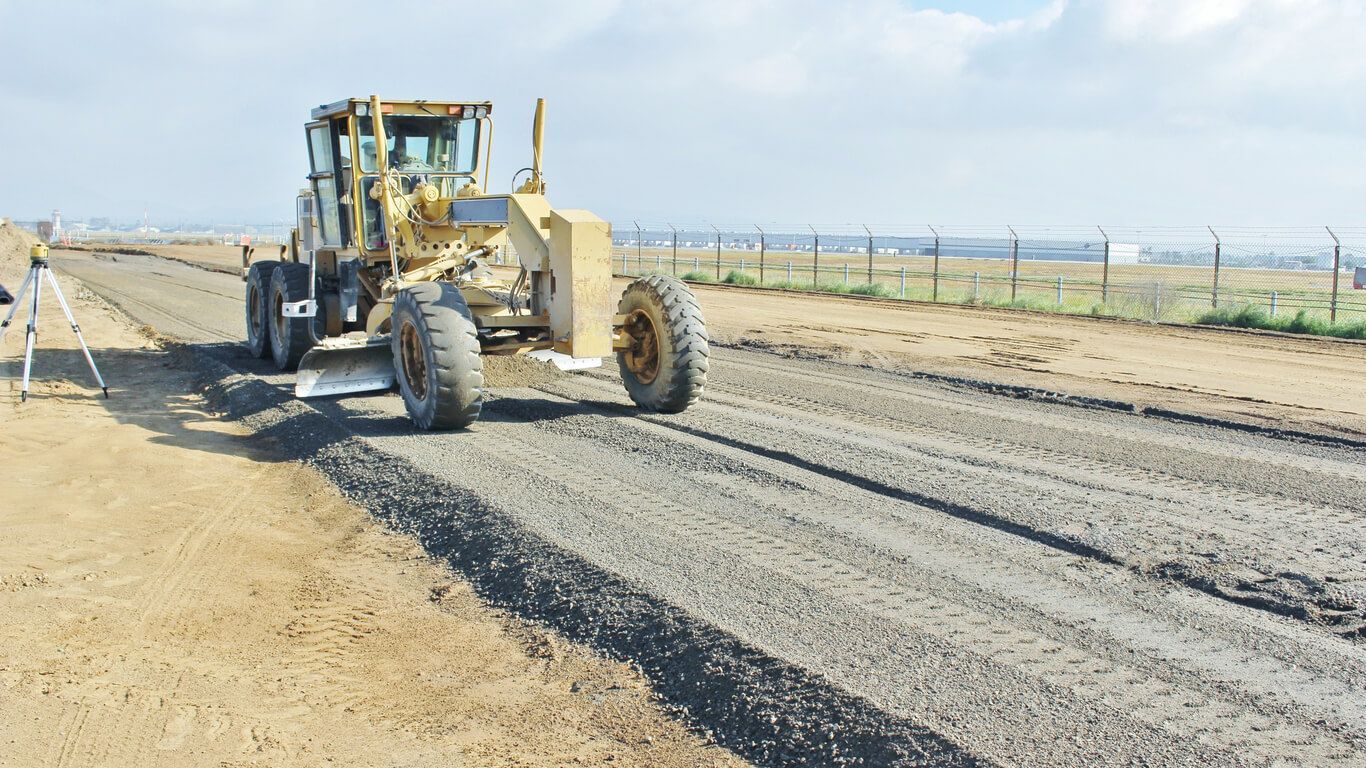
Asphalt subgrade preparation decides whether pavement lasts. Proper compaction, moisture control, and stabilization prevent ruts and cracks in South Texas.
What is seal coating a driveway? Learn how sealcoat shields asphalt from sun, water, and oil, coal tar vs. emulsion sealers, and when it’s time to reseal.
HOA paving shouldn't mean budget surprises. Learn how to build a long-term asphalt plan covering maintenance, sealcoating, and repairs.
How long does asphalt last? Explore average lifespan ranges and the main factors that cause asphalt to age, crack, or wear out.
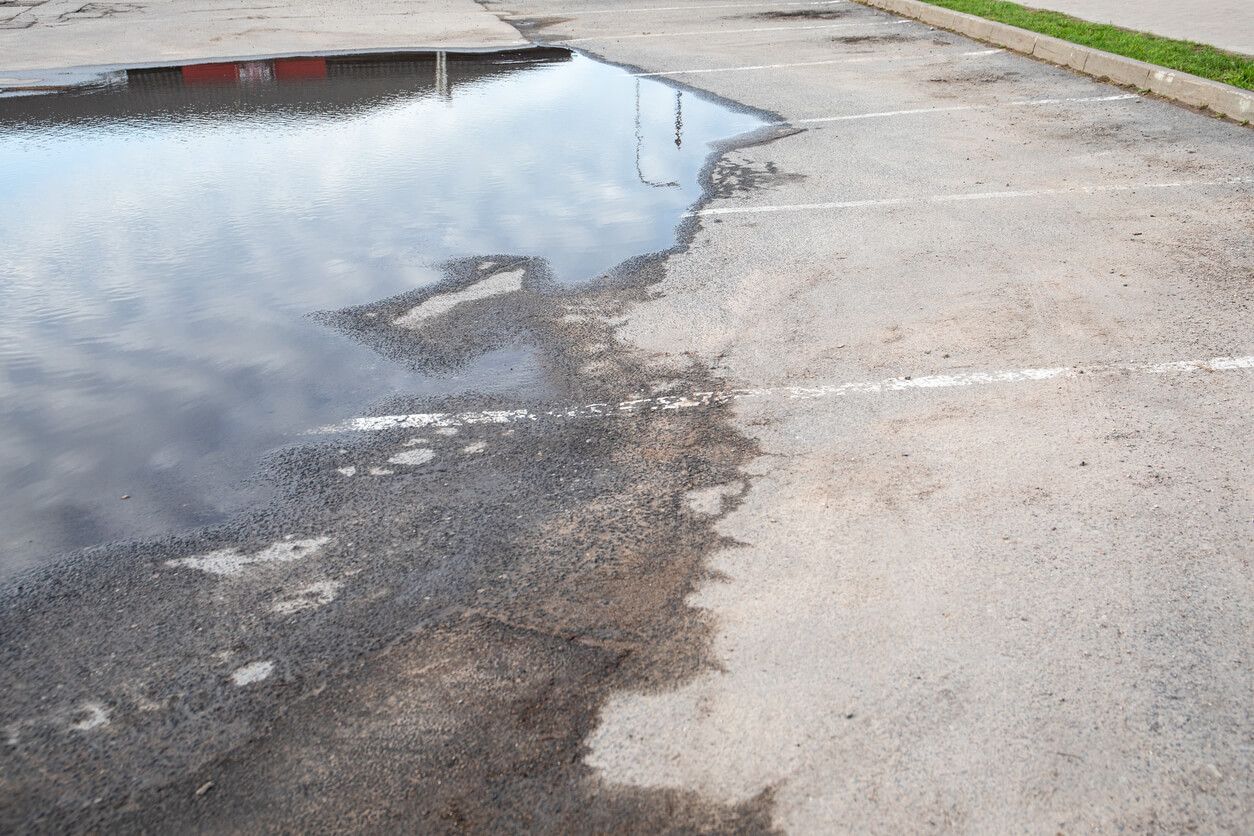
Learn why parking lot drainage problems happen, how water buildup affects asphalt, and which warning signs may point to larger site issues.
Wondering about asphalt vs blacktop? Learn their key differences and why the right choice depends on how the pavement will be used.

Learn what alligator cracking asphalt is and why it signals structural failure. Discover the common causes for pavement fatigue in San Antonio and South Texas.
ADA parking striping requirements explained. Learn compliance rules, layouts, fire lanes, and how to keep your lot safe and inspection ready.
Asphalt sealcoating protects pavement from UV, water, and wear extend surface life, reduce repairs, and keep your property looking clean and professional.
Wondering what an asphalt driveway costs in Texas? Learn the real price ranges for overlays, full replacements, and repairs — plus what affects your final quote. Free estimates available in San Antonio.