


210-530-0062
Gravel Vs. Asphalt: What Are Their Key Differences?
Sino Baduza • January 9, 2026
Choosing the right surface for your driveway in San Antonio affects appearance, performance, and long-term costs. Two of the most common options are simple gravel and smooth, professionally installed asphalt. Both can handle Texas vehicles and weather, but they differ dramatically in durability, maintenance, and overall value.
In this article, we'll compare gravel versus asphalt to help you decide which surface truly fits your property. We’ll look at installation, maintenance, and costs so you can plan with confidence. By the end, you’ll understand the tradeoffs and know when it pays to invest in a paved approach.
Disclaimer: The prices mentioned below are estimates and may not reflect the actual costs for your specific project. For detailed and accurate pricing tailored to your needs, always consult directly with a qualified paving contractor in San Antonio.
Understanding the Advantages of Gravel and Asphalt
Now that you know the basics, let’s look closer at how gravel vs asphalt driveways perform in everyday use. Knowing each of their strengths makes it easier to match your budget and long-term maintenance plans:
| Advantages of Gravel | Advantages of Asphalt |
|---|---|
| Lower upfront cost makes gravel a budget-friendly choice for long driveways or rural properties. It stretches your project dollars further. | Asphalt creates a smooth, professional-looking surface. That clean appearance can immediately enhance the curb appeal of homes and businesses. |
| Installation is quick and simple, often requiring minimal equipment. This makes it easy to complete small projects or temporary access roads. | Properly installed asphalt handles heavy traffic and loads well. This makes it ideal for parking lots, drive lanes, and busy entrances. |
| Gravel provides excellent drainage, letting rainwater pass through instead of pooling. | A solid, fresh asphalt surface is easier to walk and drive on than loose gravel. That improves safety, comfort, and accessibility. |
| This helps reduce erosion and standing water issues. | |
| Repairs are straightforward, since you can add and regrade material as needed. This keeps surfaces functional with proper maintenance. | With routine seal coating and maintenance, asphalt can last many years. This long lifespan often offsets its higher initial cost. |
| Gravel is flexible and shifts slightly with the movement of the ground. That movement helps minimize cracking compared to rigid pavement options. | Asphalt is easier to keep clean, since debris and dust don’t mix into the surface. Sweeping and washing are more effective. |
| Material is widely available in many regions, including South Texas. That local availability can shorten timelines and reduce delivery costs. | Clearly painted striping adheres well to asphalt. This allows for sharp parking lines, fire lanes, and directional markings, providing better traffic control. |
How the Installation Process Varies Between Gravel and Asphalt
Choosing between gravel and asphalt isn’t just about appearance or price; the installation process matters just as much. The construction of each surface affects its durability, drainage, and future maintenance.
Below are specific differences between installing gravel and asphalt surfaces in San Antonio:
- Site Preparation and Base Depth. Gravel usually needs basic grading and a thinner base layer. Asphalt requires more precise grading and a deeper, well-compacted base.
- Equipment and Crew Requirements. Gravel can often be installed with smaller equipment and a small crew. Asphalt installation needs paving machines, rollers, and experienced operators.
- Installation Time and Scheduling. Gravel driveways can often be installed in a single day, with flexible scheduling options. Asphalt installations require careful scheduling and coordinated crew timing.
- Weather and Temperature Sensitivity. Gravel installation is less sensitive to temperature fluctuations, although heavy rain can still cause issues. Asphalt must be placed in suitable temperatures and dry conditions.
- Layering and Compaction Process. Gravel is placed in loose layers and compacted with relatively simple equipment. Asphalt involves hot mix placement, rolling, and strict compaction standards.
- Curing and Usable Time. Gravel surfaces can usually be driven on almost immediately after compaction. Asphalt requires a curing time before it can handle full traffic and loads.
- Cost and Complexity of Installation. Gravel installation is generally simpler and cheaper to execute. Asphalt installation costs more upfront because of materials, machinery, and skilled labor.
Differences in Maintaining Asphalt and Gravel Surfaces
Once your surface is installed in San Antonio, the real difference shows up in how each material behaves over time. Maintenance needs for gravel and asphalt vary widely, affecting your budget, workload, and long-term performance.
Below are the differences when maintaining asphalt or gravel:
Surface Cleaning and Debris Removal
Asphalt is usually cleaned with sweeping or power washing to remove dirt and spills. Gravel surfaces often need raking or light grading instead, since debris mixes into the loose rock. This makes routine cleaning faster on asphalt, but more frequent and hands-on with gravel.
Weed Control and Vegetation Management
Asphalt forms a solid barrier, so weeds mainly appear at cracks and edges. Gravel allows more sunlight and moisture, so weeds can grow throughout the surface. Gravel areas often need more frequent spraying or manual removal compared to asphalt.
Potholes and Ruts
Asphalt potholes typically require patching with hot or cold mix materials. Gravel ruts and holes are generally repaired by adding new rock and regrading the area. Overall, asphalt repairs are more technical, while gravel repairs are simpler but are needed more often.
Surface Leveling and Smoothing
Asphalt has a relatively smooth surface once properly installed, needing only occasional crack filling and overlays. Gravel shifts with traffic and rain, creating low spots and washboarding. Gravel, therefore, needs regular re-leveling with a box blade or grader, unlike stable asphalt.
Dust and Loose Material Control
Asphalt produces minimal dust under normal use and is easy to keep sealed. Gravel can create dust and crushed stones, especially in dry, high-traffic areas. Controlling this often requires fresh gravel, compaction, or dust-control treatments.
Water Management and Drainage Maintenance
Asphalt requires clear drainage paths and clean gutters to prevent water from accumulating on the surface. Gravel naturally allows water to filter through, but it can be washed away in steep or poorly drained areas. Maintaining gravel often involves rebuilding washed-out sections, whereas asphalt requires proper edge and drainage care.
Long-Term Protection and Surface Life
Asphalt benefits from periodic seal coating and crack sealing to extend its life. Gravel doesn’t get sealed, but instead relies on regular replenishment and compaction. Over time, asphalt maintenance focuses on protecting the surface, while gravel maintenance focuses on replacing and reshaping material.
Gravel vs Asphalt Driveway Costs: What's Involved During Installation, Repair, and Maintenance
Cost is often the deciding factor when comparing gravel and asphalt driveways in San Antonio. Understanding installation, repair, and maintenance pricing helps you plan realistically. Below are the typical price ranges to expect for each stage of your driveway’s life:
| Gravel | Asphalt | Summary | |
|---|---|---|---|
| Installation Costs | Gravel driveway installation generally ranges from about $1 to $3 per square foot, depending on the depth and base preparation. | Asphalt driveway installation usually ranges from about $4 to $8 per square foot, based on the thickness, grading, and site access. | Overall, gravel offers the lowest upfront cost, while asphalt requires a higher initial investment for a smoother, more durable surface. |
| Repair Costs | Gravel driveway repairs, including adding new rock and regrading, typically cost about $30 to $60 per ton of material. | Asphalt patch repairs range from approximately $2 to $5 per square foot, depending on the damage and its location. | Gravel fixes are cheaper per visit but may be needed more often, while asphalt repairs are pricier and more technical. |
| Maintenance Costs | Ongoing gravel driveway maintenance can average around $0.10 to $0.40 per square foot each year, especially on long or steep drives. | Routine asphalt seal coating typically costs between $0.15 and $0.35 per square foot, applied every three to five years. | Over time, gravel budgets focus on replenishing stone, while asphalt budgets emphasize sealing, crack filling, and occasional overlays. |
Prefer Asphalt Driveways Over Gravel? Talk to Pro-Line Paving Right Away!
If you’re leaning toward a smooth, long-lasting asphalt paving instead of gravel, let Pro-Line Paving handle the job. Our San Antonio team brings 30+ years of experience in expert installation, repair, seal coating, striping, and signage for South Texas properties. We use top-grade materials, thorough preparation, and clear communication to ensure your pavement performs reliably in San Antonio.
Contact our team today to schedule a site visit and get an honest, detailed estimate tailored to your driveway.

HOA paving shouldn't mean budget surprises. Learn how to build a long-term asphalt plan covering maintenance, sealcoating, and repairs.

How long does asphalt last? Explore average lifespan ranges and the main factors that cause asphalt to age, crack, or wear out.
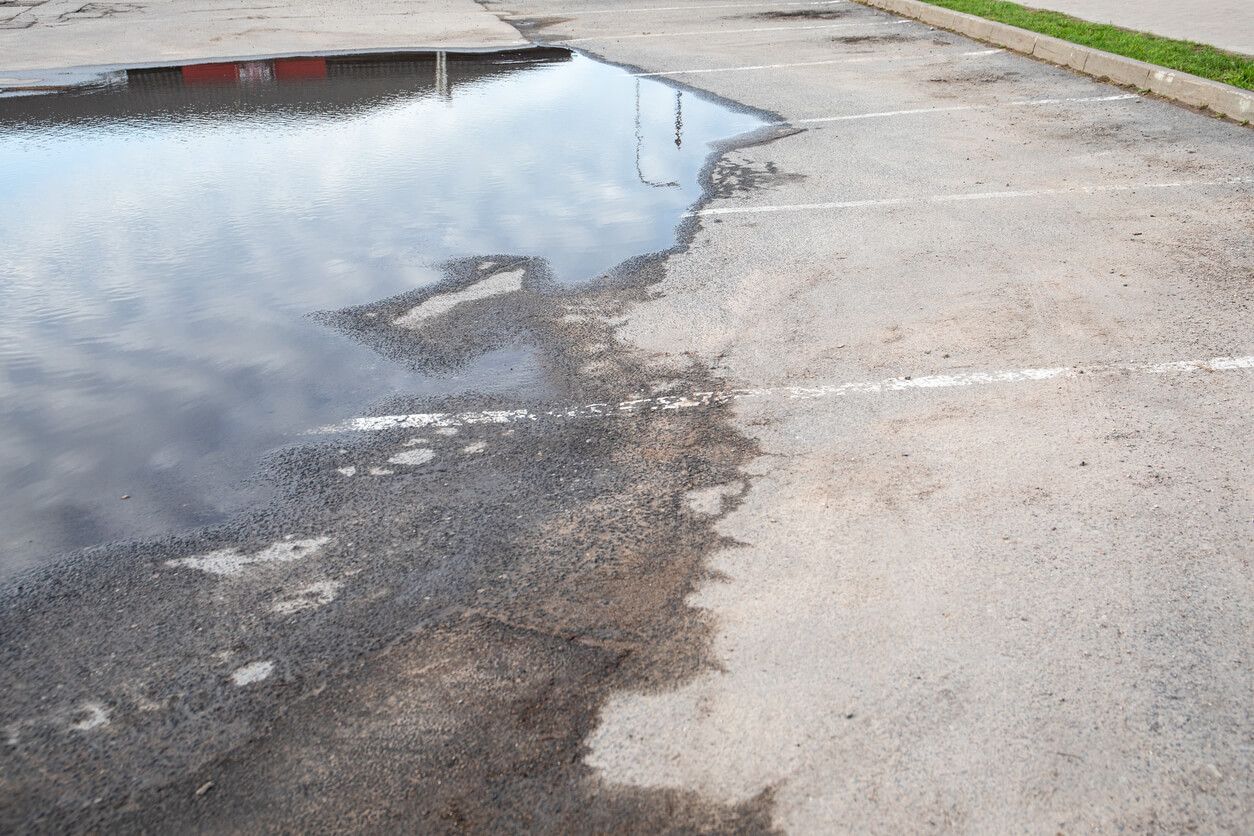
Learn why parking lot drainage problems happen, how water buildup affects asphalt, and which warning signs may point to larger site issues.
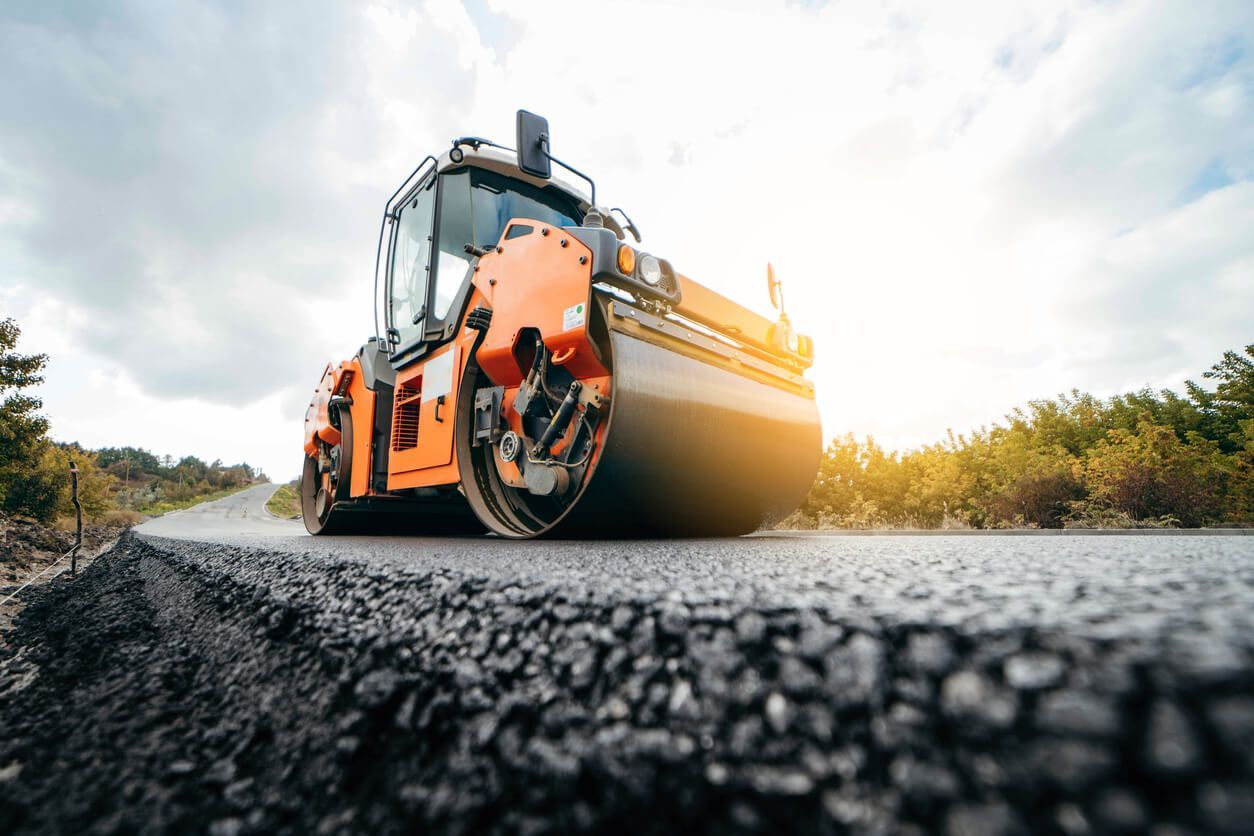
Wondering about asphalt vs blacktop? Learn their key differences and why the right choice depends on how the pavement will be used.

Learn what alligator cracking asphalt is and why it signals structural failure. Discover the common causes for pavement fatigue in San Antonio and South Texas.
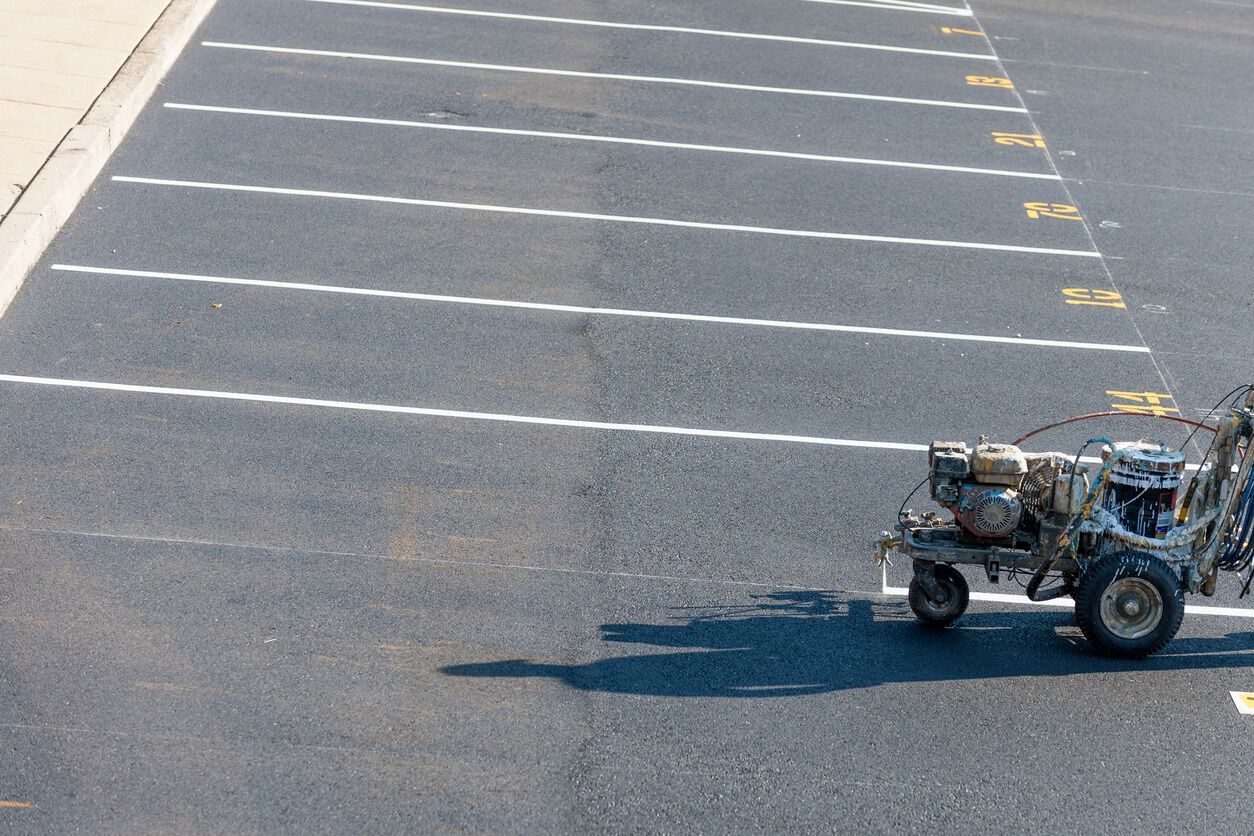
ADA parking striping requirements explained. Learn compliance rules, layouts, fire lanes, and how to keep your lot safe and inspection ready.
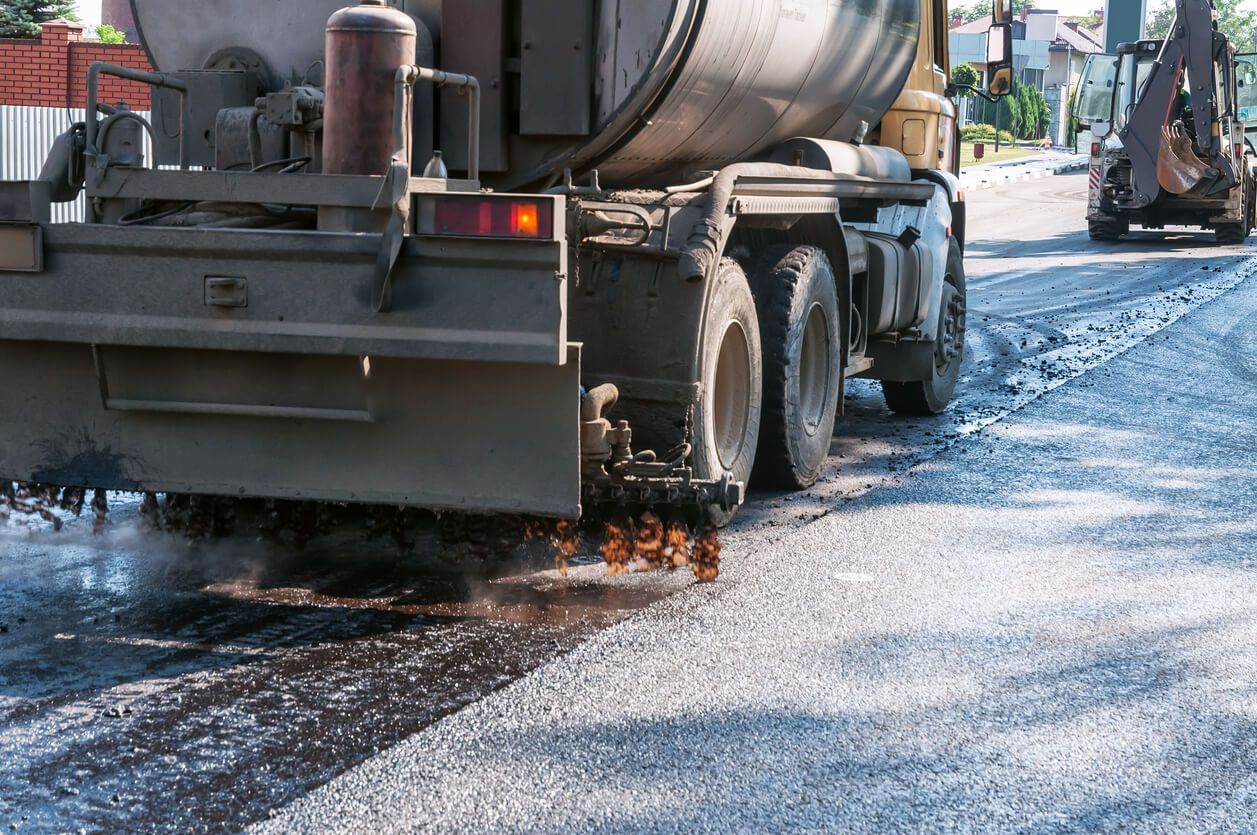
Asphalt sealcoating protects pavement from UV, water, and wear extend surface life, reduce repairs, and keep your property looking clean and professional.
Wondering what an asphalt driveway costs in Texas? Learn the real price ranges for overlays, full replacements, and repairs — plus what affects your final quote. Free estimates available in San Antonio.
Comparing concrete vs asphalt parking lots? See how each material stacks up in cost, lifespan, maintenance, and Texas heat performance. Get expert guidance from Pro-Line Paving in San Antonio.
Is your parking lot cracked, rutting, or draining poorly?
Learn the signs that milling and overlay can fix it —
without a costly full replacement. Pro-Line Paving explains.