

210-530-0062
5 Signs Your Business Parking Lot Needs Professional Paving
Sino Baduza • February 4, 2026
Your parking lot in San Antonio, TX, is often the first impression customers get of your business, and it speaks louder than you think. Cracks, faded lines, and crumbling edges can quietly erode curb appeal, safety, and even customer confidence over time. Knowing when those issues cross the line from cosmetic to critical helps you protect your investment and maintain a strong reputation.
In this article, we will explore five clear signs your business parking lot paving needs professional attention. By spotting these red flags early, you can plan repairs before minor problems become expensive, disruptive failures. You will walk away with practical guidelines on when to call in expert help.
1. Widespread Cracking and “Alligator” Patterns
When your San Antonio parking lot shows widespread cracking or "alligator" patterns, the asphalt surface is losing integrity. These interconnected cracks let water reach the base, which quickly accelerates more serious structural damage and safety risks. At this stage, professional asphalt paving or milling and overlay is usually more effective than repeated patching.
2. Frequent Potholes and Temporary Patches
If potholes keep returning, it signals underlying problems that simple cold patches or DIY fixes can't solve. Potholes form when water and traffic weaken the base, causing the asphalt to break apart under pressure. A paving professional can assess the root cause and recommend permanent asphalt parking lot repairs, overlays, or reconstruction where necessary.
3. Standing Water and Drainage Problems
Persistent puddles or "birdbaths" after rain indicate drainage system problems and low spots in your parking lot. Standing water seeps into cracks, erodes the base, and significantly shortens the pavement's expected service life. Professional paving includes correcting grades, improving slopes, and restoring smooth drainage so water sheds off correctly.
4. Faded Striping and Safety Markings
When parking lines, arrows, and accessible spaces are barely visible, your lot becomes confusing and potentially noncompliant. Faded markings reduce traffic organization, increase accident risk, and can create ADA or fire-lane liability issues. A professional paving contractor in San Antonio can refresh the surface as needed, then restripe with bright, code-compliant layouts.
5. Uneven Surfaces, Rutting, and Trip Hazards
Visible depressions, ruts in wheel paths, or lifted areas create uncomfortable driving and dangerous walking conditions. These distortions typically indicate that the base or asphalt thickness is insufficient for your current traffic loads. Professional paving can regrade, strengthen weak sections, and deliver a smoother, safer surface for customers and employees.
How Contractors Maintain Your Commercial Parking Lot Paving
Regular parking lot maintenance can keep it safe, attractive, and cost-effective. Here’s how professional paving contractors protect your investment and prevent small problems from turning into costly replacements:
- Regular Inspections and Assessments. Contractors regularly inspect your parking lot to identify early signs of cracking, settling, or drainage issues. These proactive assessments guide maintenance plans, helping you budget repairs and avoid sudden, business-disrupting pavement failures.
- Crack Sealing. Professionals clean and seal pavement cracks, blocking water from reaching and weakening the underlying base layer. By stopping moisture entry early, they slow crack growth and significantly extend your parking lot’s service life.
- Pothole and Patch Repairs. Contractors remove loose material around potholes, then fill and compact hot mix asphalt for durable, level repairs. Consistent patching keeps vehicles safe, protects the base, and prevents small issues from spreading across your lot.
- Seal Coating. Seal coating contractors apply protective coatings that shield asphalt from UV rays, water, oil spills, and surface oxidation. This fresh layer restores rich black color, enhances curb appeal, and helps your pavement resist everyday wear and tear.
- Asphalt Milling and Overlays. When surfaces age but the base remains strong, contractors mill off the top layer and install a smooth overlay. This process corrects ruts and surface defects while maintaining proper elevations around curbs, drains, and sidewalks.
- Pavement Marking and Restriping. Contractors restripe parking stalls, fire lanes, and directional arrows to keep traffic flowing safely and efficiently. Fresh, code-compliant markings also support ADA accessibility, reduce confusion, and present a professional image for customers and visitors.
- Drainage and Grading Corrections. Maintenance crews identify low spots or areas with poor drainage, then adjust the grading or add structures to redirect water properly. Improved drainage prevents standing water, which helps protect your asphalt base and minimizes slipping or hydroplaning hazards.
- Cleaning and Preventive Maintenance Programs. Contractors may offer sweeping, debris removal, and oil stain treatment to keep your parking lot clean and functional. Regular cleaning supports seal coating performance, improves appearance, and makes it easier to spot developing pavement problems early.
How Often Do Parking Lots Need to Be Resurfaced?
Most commercial parking lots need resurfacing roughly every 10 to 20 years, depending on several key factors. Heavy traffic, poor drainage, and extreme temperatures usually shorten this timeline, while quality construction and maintenance extend it. Because every property is unique, resurfacing decisions should be based on condition and usage, rather than solely on age.
Visible alligator cracking, frequent potholes, and standing water are strong signs your lot is ready for resurfacing. At this stage, a milling and overlay project is often more cost-effective than constant patching and temporary fixes. Regular inspections from a professional paving contractor help you time parking lot resurfacing correctly, protecting both your budget and your pavement.
How Do You Pave a Parking Lot: Learn How the Experts Do It
A well-paved parking lot starts long before asphalt hits the ground, because planning and preparation determine how long it lasts. Here are eight steps that experts follow to build a smooth, durable asphalt parking lot around San Antonio:
1. Site Evaluation and Planning
Experts start with a site visit to measure areas, note traffic loads, and check existing pavement conditions. They review drainage patterns, utilities, and access points, then design a layout that meets both code requirements and ADA accessibility needs. With scope and phasing set, they schedule crews, equipment, and materials so work proceeds without surprises.
2. Clearing and Demolition
Next, crews clear vegetation, remove failed asphalt or concrete, and protect curbs, sidewalks, and storm inlets. They haul debris offsite, keeping the area clean, because leftover rubble can weaken the new base. Once demolition is complete, the exposed subgrade is ready for shaping and stabilization.
3. Subgrade Grading and Drainage Setup
They grade the subgrade to the correct elevations, creating slopes that move water toward drains and away from buildings. Where soils are weak or expansive, they stabilize with lime, cement, or geotextile to prevent future rutting. After shaping, they verify the drainage flow, as standing water quickly turns small cracks into major failures.
4. Base Installation and Compaction
A crushed aggregate base is placed in lifts because thin layers compact more uniformly and carry heavy loads better. Crews spread each lift to precise thickness, then compact it with rollers until density targets are met. They also set base grades to match final paving elevations, ensuring smooth transitions at curbs, ramps, and entrances.
5. Proof Rolling and Base Corrections
Before paving, the team proof-rolls the base with a loaded truck to reveal soft spots or pumping. They mark unstable areas, remove compromised material, and rebuild those sections so the asphalt will not mirror defects. With the foundation verified, they clean the surface to improve bonding and keep the mat consistent.
6. Tack Coat and Asphalt Placement
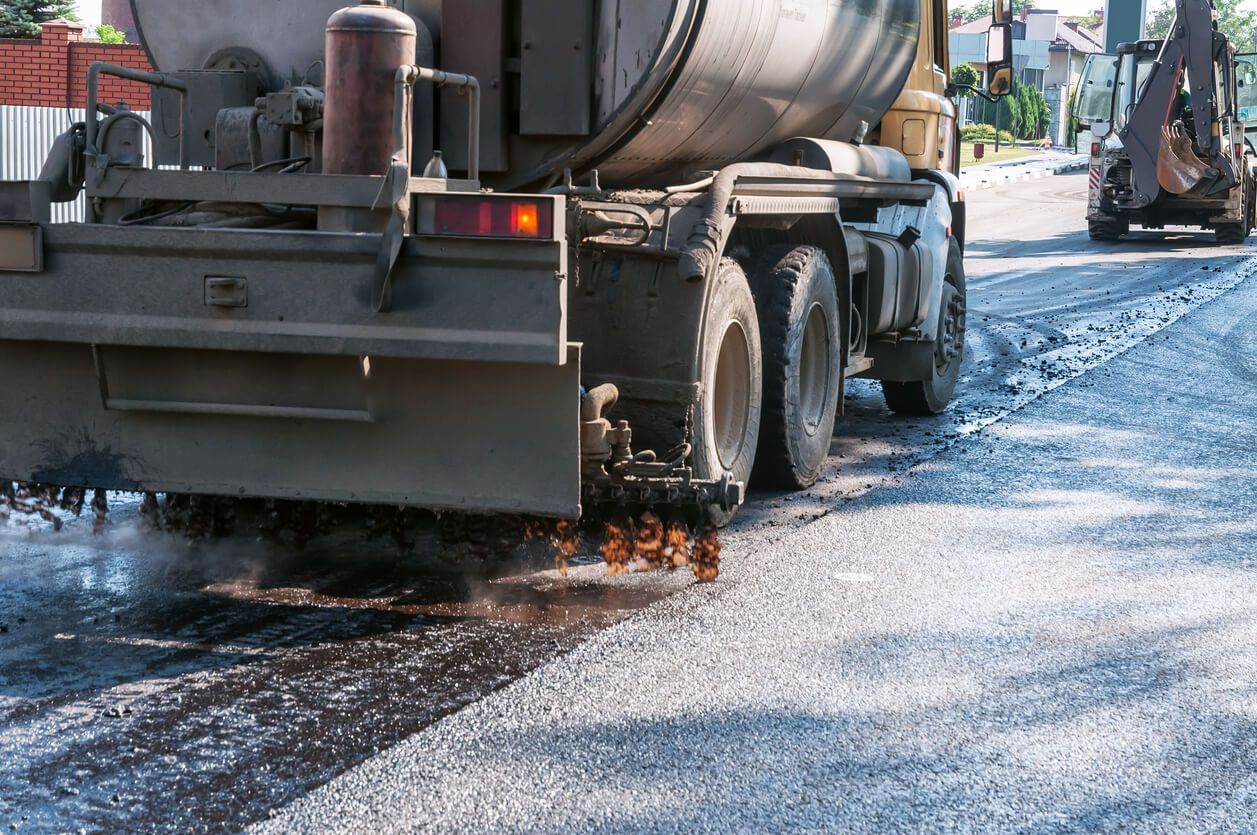
A tack coat is sprayed on existing pavement or milled surfaces, helping the new asphalt layer adhere tightly. Then the paver places hot mix asphalt at the specified thickness, maintaining temperature for workability and durability. Crew members rake edges and adjust joints as the paver moves, keeping seams straight and water-resistant.
7. Rolling, Compaction, and Finishing
Compaction starts immediately behind the paver, using steel and pneumatic rollers in a planned rolling pattern. They hit density goals while the mix is hot because proper compaction prevents raveling, cracking, and early deformation. As the surface tightens, they check smoothness and grade, correcting low spots before the asphalt cools.
8. Curing, Striping, and Final Inspection
After paving, the lot is allowed to cure, and traffic is controlled until the surface can handle turning forces. Once cured, crews apply striping, ADA markings, and directional arrows, then install any required signs and wheel stops. Finally, a walkthrough confirms drainage, line accuracy, and workmanship, and clients receive maintenance guidance for long-lasting performance.
Need Professional Paving Solutions for Your Parking Lot? Call Pro-Line Paving Today!
Turn your worn parking lot into a safe, attractive, and efficient space with Pro-Line Paving’s Texas-tough asphalt solutions. Our locally owned San Antonio team brings 30+ years of experience, modern equipment, and premium materials to every project. We handle everything from base work and paving to seal coating, striping, and signage for a polished, long-lasting result.
Call us right away for a clear, detailed estimate and a high-quality parking lot that makes a strong first impression.

HOA paving shouldn't mean budget surprises. Learn how to build a long-term asphalt plan covering maintenance, sealcoating, and repairs.

How long does asphalt last? Explore average lifespan ranges and the main factors that cause asphalt to age, crack, or wear out.
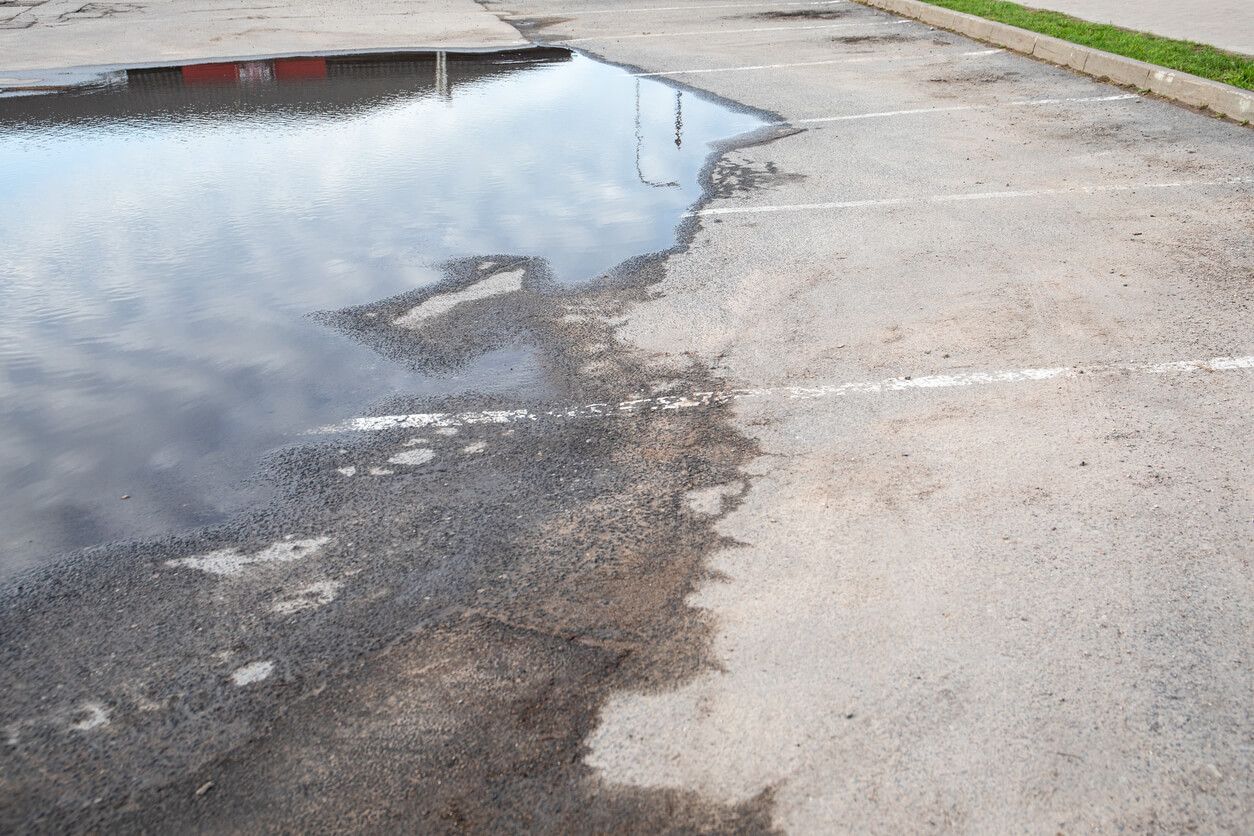
Learn why parking lot drainage problems happen, how water buildup affects asphalt, and which warning signs may point to larger site issues.
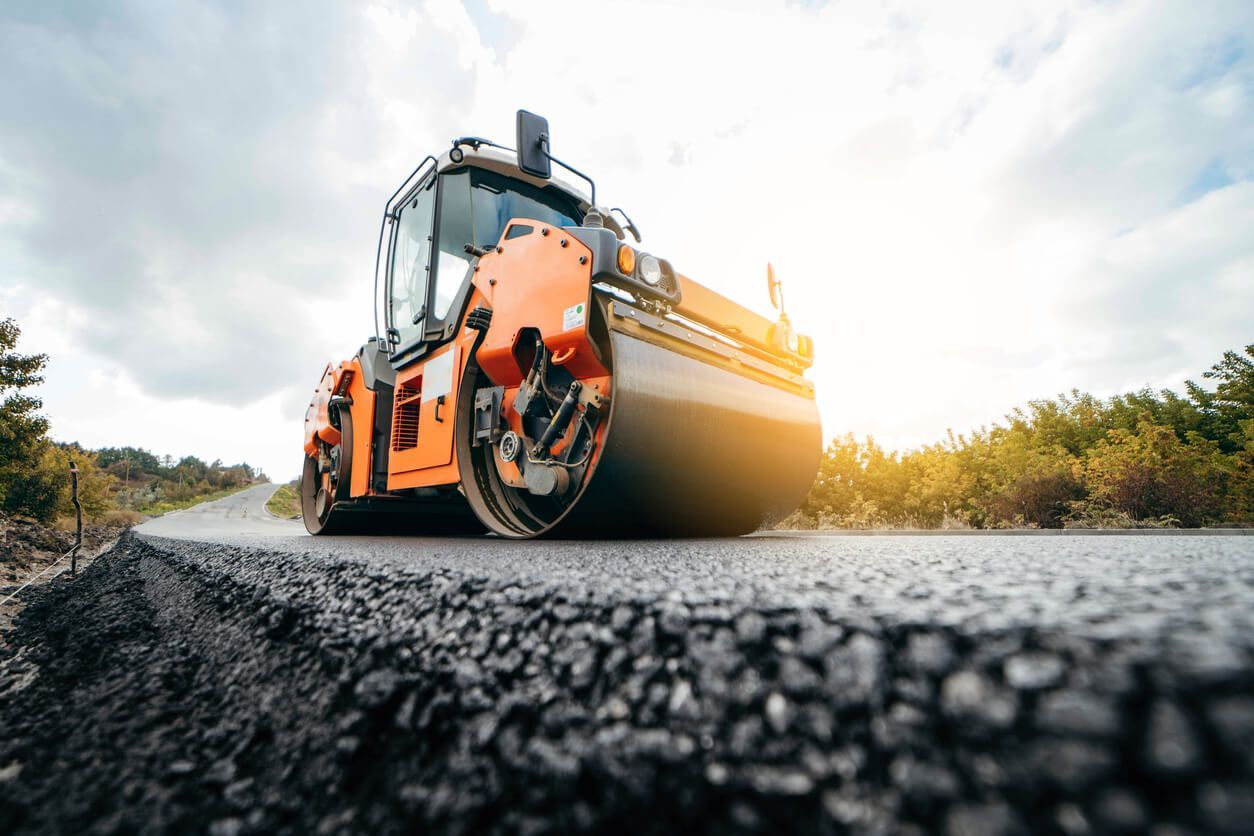
Wondering about asphalt vs blacktop? Learn their key differences and why the right choice depends on how the pavement will be used.

Learn what alligator cracking asphalt is and why it signals structural failure. Discover the common causes for pavement fatigue in San Antonio and South Texas.
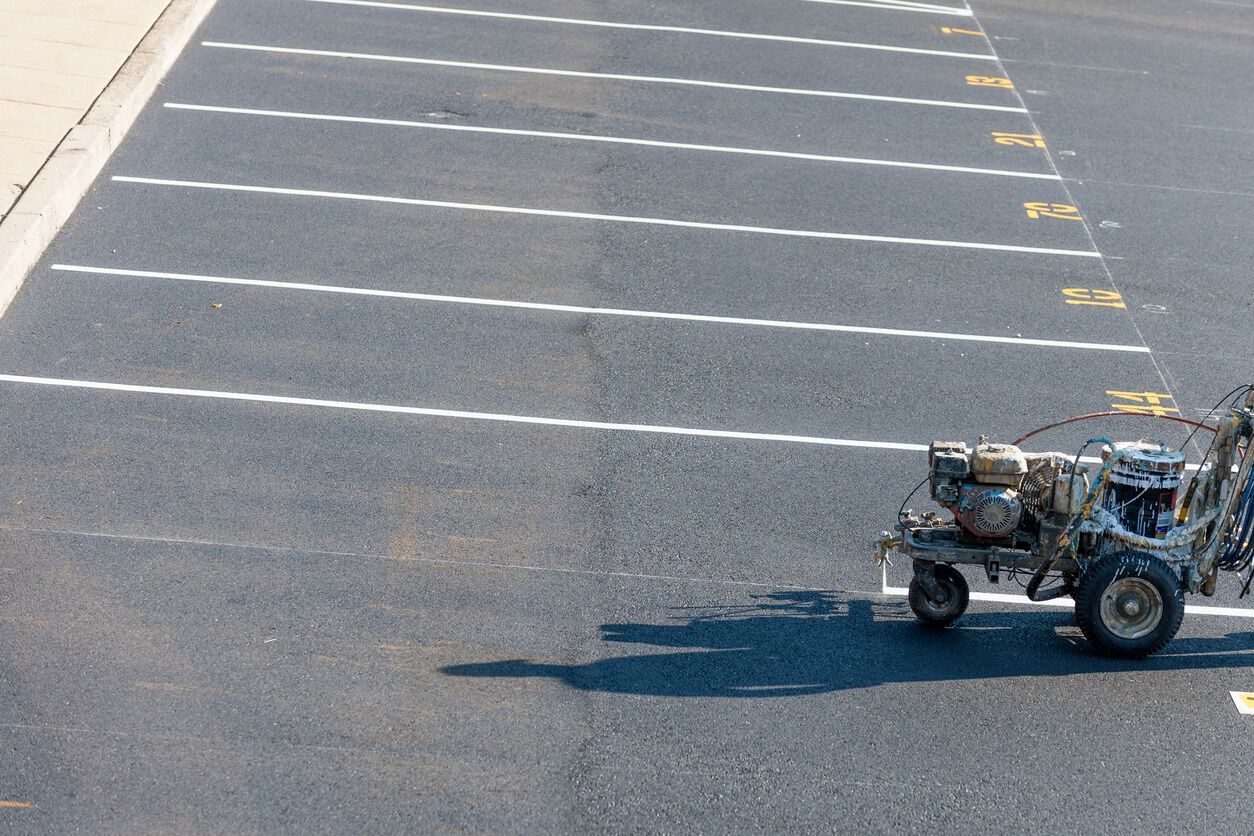
ADA parking striping requirements explained. Learn compliance rules, layouts, fire lanes, and how to keep your lot safe and inspection ready.
Asphalt sealcoating protects pavement from UV, water, and wear extend surface life, reduce repairs, and keep your property looking clean and professional.
Wondering what an asphalt driveway costs in Texas? Learn the real price ranges for overlays, full replacements, and repairs — plus what affects your final quote. Free estimates available in San Antonio.
Comparing concrete vs asphalt parking lots? See how each material stacks up in cost, lifespan, maintenance, and Texas heat performance. Get expert guidance from Pro-Line Paving in San Antonio.
Is your parking lot cracked, rutting, or draining poorly?
Learn the signs that milling and overlay can fix it —
without a costly full replacement. Pro-Line Paving explains.