

210-530-0062
How Is Asphalt Made?
Billy Scott • December 2, 2025
From the streets you drive on every day to the parking lots outside your favorite stores in San Antonio, asphalt is nearly everywhere. But most people never stop to think about what it actually is or how it gets there. Far from being just “blacktop,” asphalt is a carefully engineered paving material designed to handle heavy traffic, harsh weather, and years of wear and tear.
In this blog post, we’ll break down how asphalt is made, from the raw ingredients and mixing process to the various types of asphalt used for roads, parking lots, and driveways. By understanding what goes into quality asphalt, you’ll be better equipped to make smart decisions about paving, repairs, and long-term maintenance for your property.
Asphalt: How Is It Made?
Understanding how asphalt paving is made helps reveal the care and precision behind every smooth, durable road and parking lot you see. Here is the step-by-step process that transforms raw materials into sturdy asphalt surfaces:
1. Sourcing and Preparing Raw Materials
Asphalt is composed of two main ingredients: aggregates and binder. Aggregates are crushed rocks, gravel, and sand from quarries that are screened into specific sizes. The binder, called asphalt cement or bitumen, is a byproduct of refining crude oil. Refineries process the heavy residue into graded asphalt binders, and both aggregates and binders are tested for quality before use.
2. Drying and Heating the Aggregates
At the asphalt production plant, cold aggregates are fed into rotating dryers where they are heated to remove moisture. This is critical because leftover water can cause problems when it meets the hot binder and can weaken the pavement. After drying, the hot aggregates are stored in heated bins, allowing the plant to accurately control the blend of coarse, medium, and fine pavement materials.
3. Measuring and Mixing the Ingredients
The plant then measures the correct proportions of hot aggregates and asphalt binder based on a specific mix design. This design is engineered for the planned use, traffic levels, and climate. The ingredients are blended at high temperatures until each stone particle is coated with a binder, and additives such as polymers, fibers, or anti-stripping agents may be included to enhance performance.
4. Quality Control and Temperature Checks
Before it leaves the plant, technicians sample the asphalt mixture to confirm it meets specifications for temperature, binder content, aggregate gradation, and air voids. Keeping the mix at the right temperature is essential so it stays workable during transport and paving. Strong quality control ensures a durable, smooth, and long-lasting finished surface.
5. Loading, Transport, and Delivery to the Job Site
Once the mix passes inspection, it is loaded into insulated trucks that help maintain temperature. The trucks haul the hot-mix asphalt from the plant to the job site on a coordinated schedule so the paving crew can place and compact it while it is still hot. This final step in production prepares the asphalt for installation on San Antonio roads and surfaces.
Common Ingredients Used When Creating Asphalt Pavement
Before asphalt gets laid down on a parking lot or roadway, it starts as a carefully measured blend of key ingredients. Understanding what’s inside the mix helps explain why some pavements last longer, look better, and stand up to San Antonio traffic and weather.
Here are the four main ingredients in an asphalt pavement:
Aggregates (Stone, Gravel, and Sand)
Aggregates comprise the bulk of asphalt pavement, providing its strength and stability. This includes crushed stone, gravel, and sand in different sizes, all carefully graded and blended so the particles lock together under traffic. Quality aggregates help the pavement resist rutting, cracking, and general wear over time.
Asphalt Binder (Bitumen)
Asphalt binder is the black, sticky material that holds the aggregates together. It is a petroleum-based product that coats each stone and sand particle, acting like glue. The binder provides the pavement with flexibility to handle traffic and temperature changes while maintaining its structural integrity.
Mineral Filler (Fines)
Mineral filler consists of very fine particles, often from crushed limestone or other rock dust. These fines fill the tiny voids between the larger aggregate particles, helping to create a dense and stable mix. This improves the pavement’s durability, resistance to water, and overall smoothness.
Additives and Modifiers
Additives and modifiers are specialized ingredients used to enhance performance under specific conditions. Common examples include polymers for added flexibility, anti-stripping agents to enhance the binder's adhesion to wet aggregates, and fibers to increase strength. These ingredients help asphalt pavements perform better under heavy traffic, extreme temperatures, or frequent moisture.
Types of Asphalts Used for Certain Pavements
Not all asphalt is the same, and selecting the right type can significantly impact the lifespan and performance of your pavement. Here are the common asphalt types and where they work best:
- Hot-Mix Asphalt (HMA). Hot-mix asphalt is the most common type used for roads and driveways. It is produced and laid at high temperatures, which allows it to compact tightly and create a strong, durable surface that handles heavy traffic well.
- Warm-Mix Asphalt (WMA). Warm-mix asphalt is similar to hot-mix asphalt but is produced at lower temperatures using additives or special processes. This makes it easier to work with, reduces fuel use and emissions at the asphalt plant, and can be helpful in cooler weather or tight project schedules.
- Cold Mix Asphalt. Cold mix asphalt is used mainly for temporary repairs, such as filling potholes in cooler or wet conditions. It can be applied without heating, making it convenient for quick fixes. However, it is not as strong or long-lasting as hot-mix asphalt.
- Dense-Graded Asphalt. Dense-graded asphalt is a well-balanced mix of different aggregate sizes that creates a tight, stable surface with few air voids. It is versatile, used on everything from city streets to commercial lots, and offers good durability and smoothness.
- Open-Graded/Porous Asphalt. Open-graded or porous asphalt has more air voids and allows water to drain through the surface rather than run off. It is often used in specific applications, such as drainage layers, quieter road surfaces, or environmentally focused parking areas, to help manage stormwater.
- Stone Matrix Asphalt (SMA). Stone matrix asphalt is a gap-graded mix characterized by a high percentage of coarse stone and a rich asphalt binder content, often supplemented with fibers. It is designed for superior rut resistance and durability, making it ideal for heavy-traffic areas such as major roadways and truck routes.
Achieve Smooth New Asphalt Installation in San Antonio—Hire Pro-Line Paving Today!
When you’re ready for fresh asphalt in San Antonio, choose a paving partner who gets it done right the first time. Pro-Line Paving brings over 30 years of experience to every job, delivering smooth, long-lasting new asphalt installations for commercial parking lots, drive lanes, private roads, and more. Apart from new installs, we also provide repairs, milling and overlays, seal coating, striping, and signage.
Contact us to get a free estimate and get a Texas-tough asphalt surface built to last.

HOA paving shouldn't mean budget surprises. Learn how to build a long-term asphalt plan covering maintenance, sealcoating, and repairs.

How long does asphalt last? Explore average lifespan ranges and the main factors that cause asphalt to age, crack, or wear out.
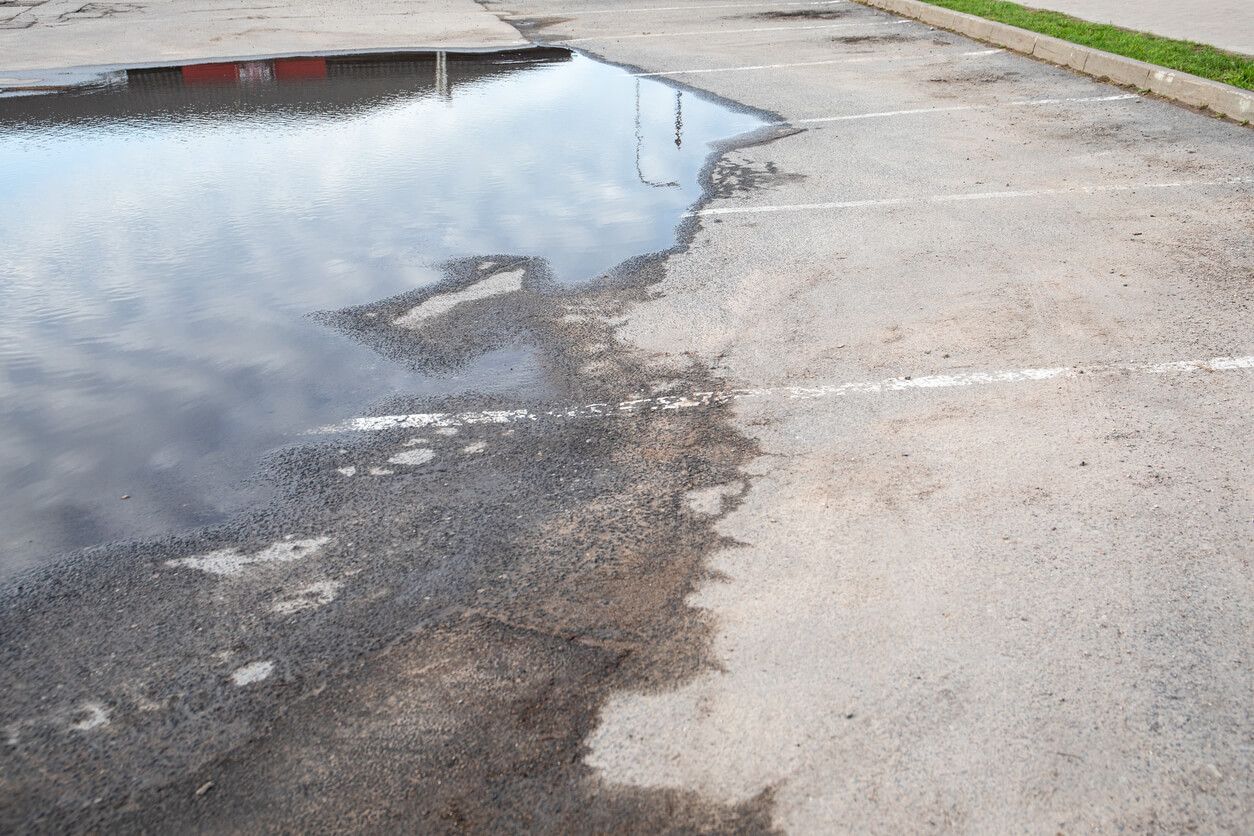
Learn why parking lot drainage problems happen, how water buildup affects asphalt, and which warning signs may point to larger site issues.
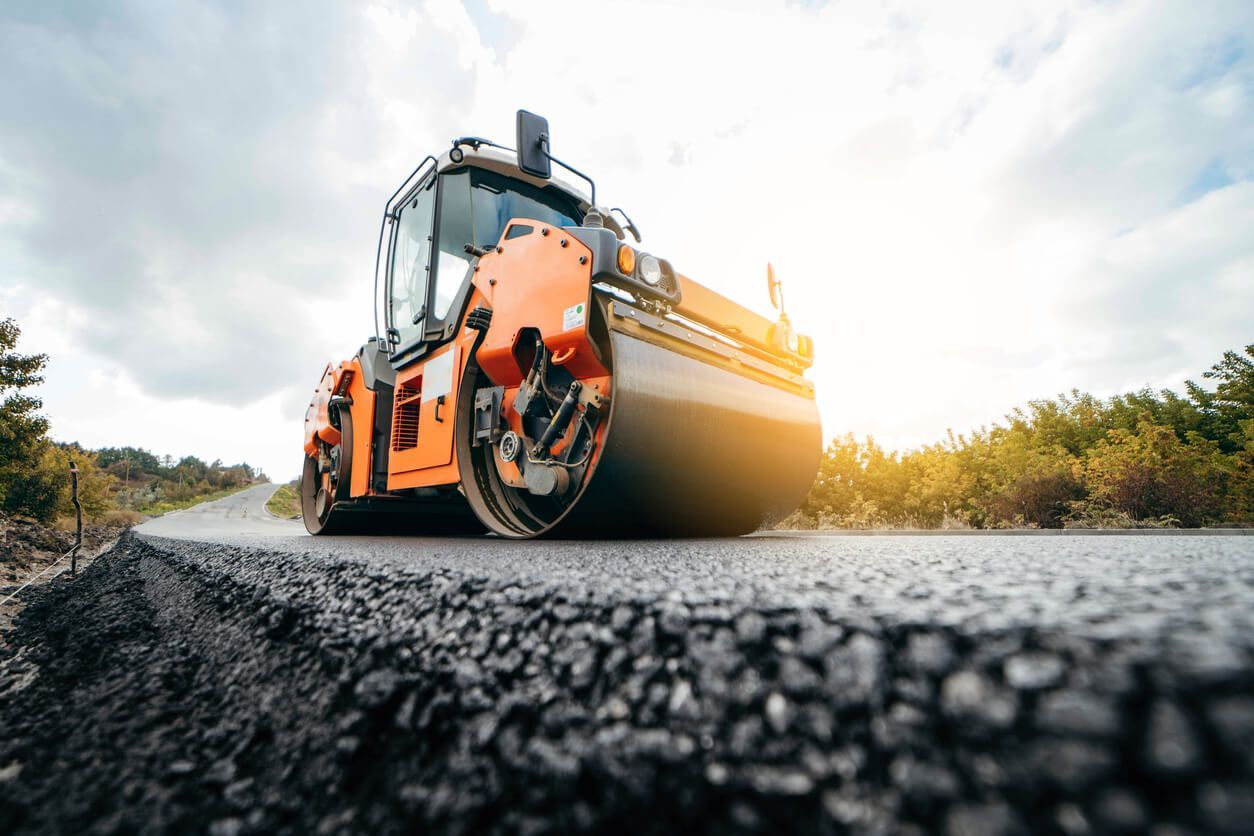
Wondering about asphalt vs blacktop? Learn their key differences and why the right choice depends on how the pavement will be used.

Learn what alligator cracking asphalt is and why it signals structural failure. Discover the common causes for pavement fatigue in San Antonio and South Texas.
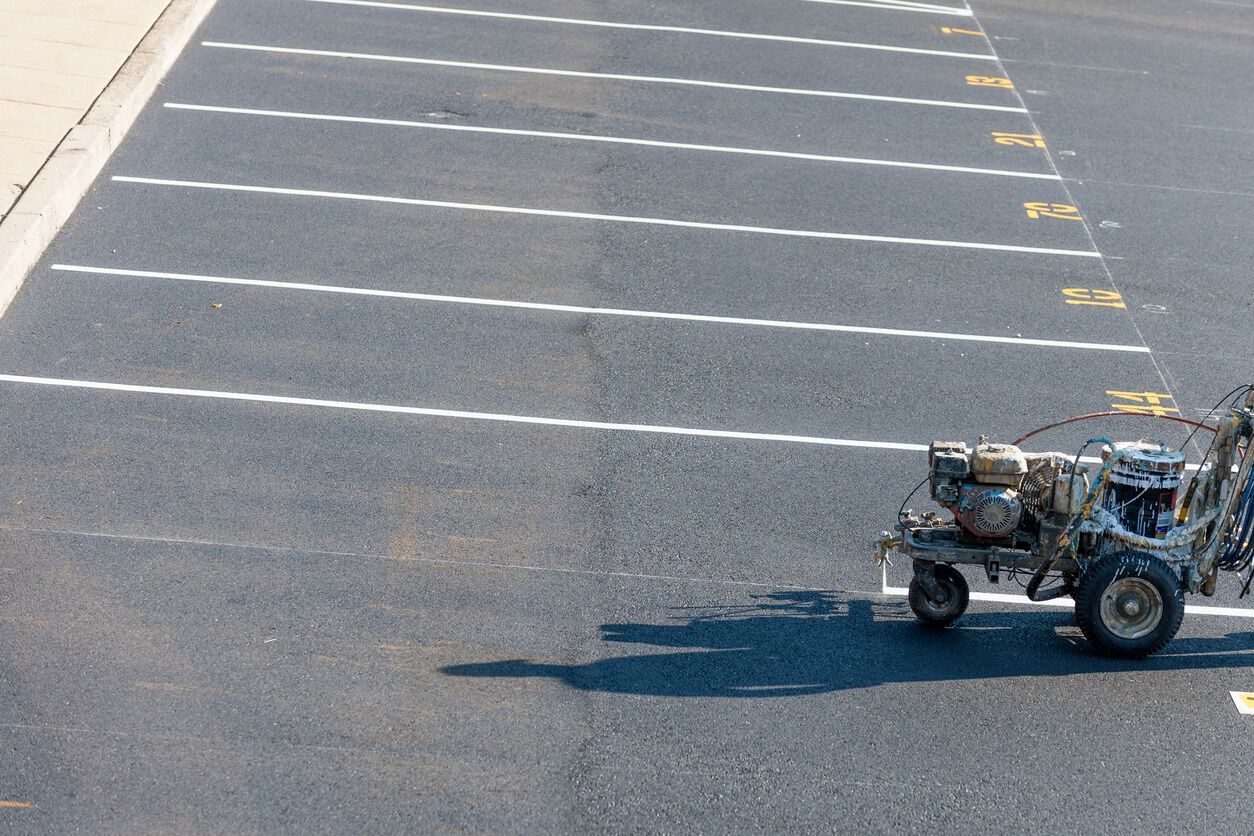
ADA parking striping requirements explained. Learn compliance rules, layouts, fire lanes, and how to keep your lot safe and inspection ready.
Asphalt sealcoating protects pavement from UV, water, and wear extend surface life, reduce repairs, and keep your property looking clean and professional.
Wondering what an asphalt driveway costs in Texas? Learn the real price ranges for overlays, full replacements, and repairs — plus what affects your final quote. Free estimates available in San Antonio.
Comparing concrete vs asphalt parking lots? See how each material stacks up in cost, lifespan, maintenance, and Texas heat performance. Get expert guidance from Pro-Line Paving in San Antonio.
Is your parking lot cracked, rutting, or draining poorly?
Learn the signs that milling and overlay can fix it —
without a costly full replacement. Pro-Line Paving explains.