

210-530-0062
Why Businesses Prefer Asphalt Resurfacing Over Replacement
Sino Baduza • February 4, 2026
When a parking lot starts to experience damage, many business owners in San Antonio fear that a costly full replacement is imminent. But in many cases, the pavement’s base is still strong, and only the surface needs attention. That’s where asphalt resurfacing offers a smarter, faster, and more budget-friendly option.
Instead of tearing everything out, resurfacing restores a smooth, like-new driving surface while minimizing downtime for customers and tenants. This approach also stretches the life of your existing investment, making better use of what you already have. In this article, we’ll explore choosing asphalt resurfacing vs replacement, and why so many businesses prefer resurfacing over replacement.
Understanding the Difference Between an Asphalt Repair and
Replacement
Choosing between resurfacing and full replacement starts with understanding how each option impacts your budget, timeline, and property. We outline below the several benefits that make asphalt resurfacing a smarter, more efficient choice for many business establishments:
Lower Upfront Cost
Asphalt resurfacing in San Antonio typically costs significantly less than a full pavement tear-out and replacement. Businesses can redirect those savings toward other priorities like tenant improvements, lighting upgrades, or landscaping. This financial flexibility makes resurfacing especially attractive for property managers working within tight annual budgets.
Reduced Downtime and Disruption
Full replacement often closes large areas for days, disrupting customers, deliveries, and tenant operations. Asphalt pavement resurfacing usually occurs more quickly because crews preserve the existing base and concentrate on the top, fresh layer. Shorter downtime means businesses stay accessible, maintain revenue, and avoid frustrating regular visitors.
Longer Pavement Life From Existing Investment
Resurfacing adds a fresh, durable asphalt layer that significantly extends the usable life of your existing pavement. By addressing surface wear before major failures, you slow the deterioration of the underlying base. This proactive approach postpones expensive reconstruction and keeps long-term ownership costs more predictable.
Fast, Noticeable Improvement in Appearance
A worn parking lot can make even a well-kept property look neglected and outdated. Resurfacing delivers a smooth, dark finish that immediately boosts curb appeal and first impressions. This refreshed appearance helps attract customers, reassure tenants, and support higher rental or lease rates.
Better Drainage and Safer Surfaces
Over time, ruts and depressions create puddles that damage pavement and create slip hazards. Resurfacing allows contractors to re-establish proper slopes, promoting better drainage away from buildings and walkways. Improved drainage reduces liability risks and helps keep customers, employees, and residents safer on your property.
Less Impact on Existing Infrastructure
Full replacement often requires adjusting utilities, curbs, and surrounding landscaping, adding complexity and cost. Resurfacing works with the existing layout, so most infrastructure remains untouched. This reduces coordination headaches with other contractors and simplifies planning for property managers.
More Environmentally Friendly Choice
Resurfacing reuses the existing pavement structure instead of sending large amounts of material to the landfill. Many projects also incorporate recycled asphalt materials in the new surface layer. These practices lower resource consumption and help businesses align with sustainability and environmental goals.
Flexible Phasing and Scheduling Options
Resurfacing projects in San Antonio can often be completed in phases, keeping parts of the lot open at all times. Contractors can schedule work around peak hours or overnight, reducing inconvenience for customers and staff. This flexibility makes resurfacing much easier to coordinate for busy retail centers, offices, and industrial sites.
Understanding Asphalt Resurfacing Costs Over Replacements
Before choosing between resurfacing and full replacement, it helps to see where your money actually goes. Each option carries different line items that affect your total project cost and long-term budget.
Below, we break down the cost factors and show why resurfacing is usually the more cost-effective choice:
- Upfront Cost per Square Foot. On average, resurfacing asphalt runs about $1.50 to $3.50 per square foot for commercial lots in South Texas. By contrast, full-depth asphalt replacement costs around $4 to $8 or more per square foot, making resurfacing far more budget-friendly.
- Demolition and Haul-Off Costs. Resurfacing preserves the existing asphalt structure, thereby minimizing demolition, removal, and landfill fees. Full replacement requires tearing out old pavement and hauling debris away, which quickly adds thousands to the total project cost.
- Base and Subgrade Work. With resurfacing, contractors typically repair only localized base failures, keeping those structural costs relatively low. Replacement often requires extensive base reconstruction and subgrade improvement, so structural work can rival or exceed the cost of the asphalt itself.
- Labor and Equipment Time. Resurfacing uses fewer labor hours and less heavy equipment time because crews focus mainly on milling and installing a new surface layer. Full replacement requires excavation, grading, base installation, and paving, so labor and equipment charges climb much higher.
- Business Downtime and Lost Revenue. Because resurfacing is faster, businesses often keep more spaces open and reduce the days of limited access. Full replacement usually means longer closures and detours, so the hidden cost of lost revenue can outweigh any perceived savings.
- Permitting and Site Adjustments. Resurfacing typically involves fewer design changes, curb adjustments, or utility modifications, which helps keep permitting and site work expenses modest. When you replace asphalt, it can trigger more engineering, drainage corrections, and code upgrades, so associated soft costs rise quickly compared to resurfacing.
- Long-Term Lifecycle and Maintenance Costs. A properly done resurfacing extends pavement life significantly, delaying expensive reconstruction by many years at a relatively low investment. When you factor in future maintenance and replacement cycles, resurfacing usually delivers a much lower total cost of ownership.
The Process of Asphalt Resurfacing for Businesses
Knowing what actually happens during asphalt resurfacing in San Antonio can make planning much easier for any business establishment. Below is a step-by-step look at how professionals transform a worn lot into a smooth surface:
1. Inspection and Evaluation
Resurfacing starts with a thorough inspection of your existing pavement and underlying base conditions. Contractors look for cracks, rutting, drainage issues, and areas of deeper structural failure. This evaluation determines whether resurfacing is appropriate and identifies any spots needing repair before work begins.
2. Site Preparation and Cleaning
Once resurfacing is approved, crews prepare the site to ensure proper bonding and a clean work area. They sweep, blow, and sometimes pressure wash the existing asphalt surface to remove dust, debris, and loose material. Thorough cleaning helps the new asphalt layer adhere correctly and perform better over its lifespan.
3. Milling the Existing Surface
In many San Antonio projects, a milling machine grinds off the worn top layer of asphalt to a set depth. Milling removes surface cracks, ruts, and minor imperfections while keeping the existing base largely undisturbed. This creates a textured, even surface that allows the new overlay to lock in securely.
4. Base Repairs and Leveling
After milling, crews address any soft spots, potholes, or base failures revealed during grinding. They may remove unstable material, rebuild those areas with a new base, and compact everything to proper density. Contractors also fine-tune slopes and transitions so water drains correctly and driving feels smooth and consistent.
5. Tack Coat Application
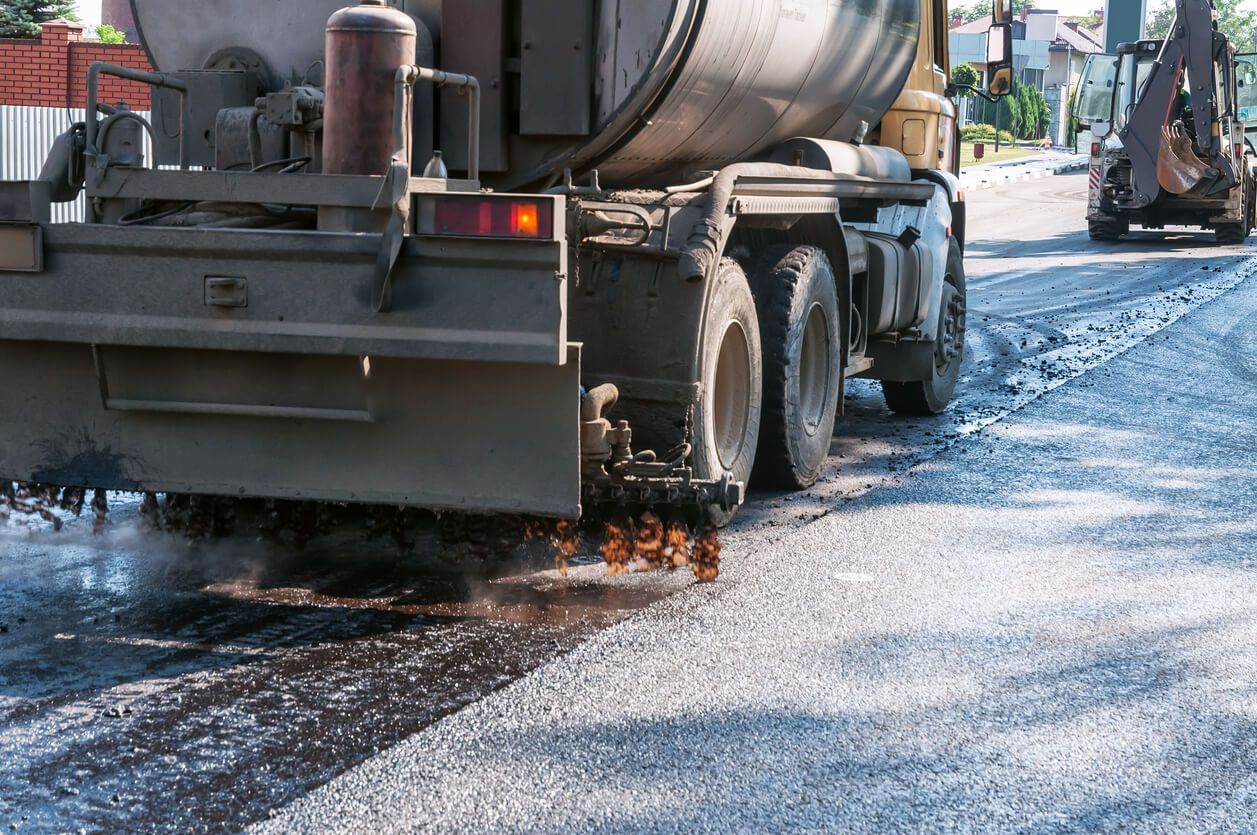
Before placing new asphalt, a tack coat is sprayed over the prepared surface as a bonding agent. This thin layer of asphalt emulsion helps the overlay adhere tightly to the existing pavement or milled surface. Proper tack application reduces the risk of slippage, delamination, and premature failure in the new asphalt layer.
6. Placing the New Asphalt Overlay
Hot mix asphalt is then delivered, spread, and carefully placed to the specified thickness across the prepared area. Paving machines lay the material in smooth, continuous passes to avoid cold joints and uneven surfaces. Crews monitor temperatures, depths, and edges closely so the overlay meets design requirements and performance expectations.
7. Compaction and Finishing
Immediately after placement, rollers compact the hot asphalt to lock aggregates together and remove air voids. Multiple passes with different rollers create a dense, smooth surface that resists traffic, weather, and long-term wear. Edges, joints, and transitions are carefully finished so vehicles move comfortably between old and new pavement sections.
8. Striping, Cleanup, and Reopening
Once the asphalt cools, crews clean the site, install new pavement markings, and reinstall any necessary signage. After a short curing period, the lot or roadway is reopened to traffic, often within 24 to 48 hours. This efficient process delivers a like-new driving surface with far less disruption than full-depth asphalt replacement.
Signs Your Business' Parking Lot Needs Asphalt Resurfacing
Your parking lot is often the first impression customers get, and worn asphalt can undermine confidence in your business. Small surface issues can spread rapidly under South Texas heat and heavy rains, turning minor fixes into costly and extensive repairs.
Here are seven clear signs your lot may be ready for asphalt resurfacing before problems escalate:
- Widespread Cracking (Especially Alligator Cracking). When minor cracks spread in connected patterns, they usually signal deeper stress than simple surface aging. If sealing no longer holds, resurfacing restores strength and helps block water intrusion.
- Recurring Potholes and Soft Spots. Potholes that return after patching often indicate the surface is failing over a broader area. A resurfacing layer can stabilize the ride and reduce ongoing repair cycles.
- Rutting and Wavy Drive Lanes. Ruts and ripples form when traffic loads deform weakened asphalt, particularly in areas where traffic turns or brakes. Resurfacing corrects the profile, improves traction, and supports smoother traffic flow.
- Standing Water After Normal Rainfall. Persistent puddles suggest low spots or drainage issues that accelerate cracking and base saturation. Resurfacing can regrade the surface to move water toward inlets and edges.
- Severe Oxidation and a Rough, Brittle Texture. Faded gray asphalt paving and loose aggregate indicate that the binder has dried due to sun and heat exposure. Resurfacing adds a fresh wearing course that renews flexibility and protects the underlying structure.
- Multiple Patches Creating an Uneven Surface. Numerous repairs can leave bumps, seams, and weak transitions that continue to break apart. Resurfacing ties the lot together with a uniform surface that looks and performs better.
- Faded Striping and Declining Curb Appeal. When markings disappear quickly, the surface may be too worn to hold paint and maintain crisp lines. Resurfacing creates a clean base for durable striping, improving safety and first impressions.
- Frequent Customer Complaints or Reports. When drivers mention rough pavement, scraping, or trips, the surface is likely becoming a liability. Resurfacing smooths hazards, improves accessibility, and helps reduce claims and negative impressions.
Contact Pro-Line Paving for Reliable Asphalt Maintenance for Businesses in San Antonio
When your business pavement represents your brand, you need a contractor who treats it like their own. Pro-Line Paving brings 30+ years of South Texas experience, Texas-tough materials, and turnkey asphalt solutions across San Antonio. From resurfacing and repairs to striping and seal coating, our asphalt contractors keep your parking areas safe, attractive, and long-lasting.
Call us today to schedule a free, no-obligation assessment for your commercial property.

HOA paving shouldn't mean budget surprises. Learn how to build a long-term asphalt plan covering maintenance, sealcoating, and repairs.

How long does asphalt last? Explore average lifespan ranges and the main factors that cause asphalt to age, crack, or wear out.
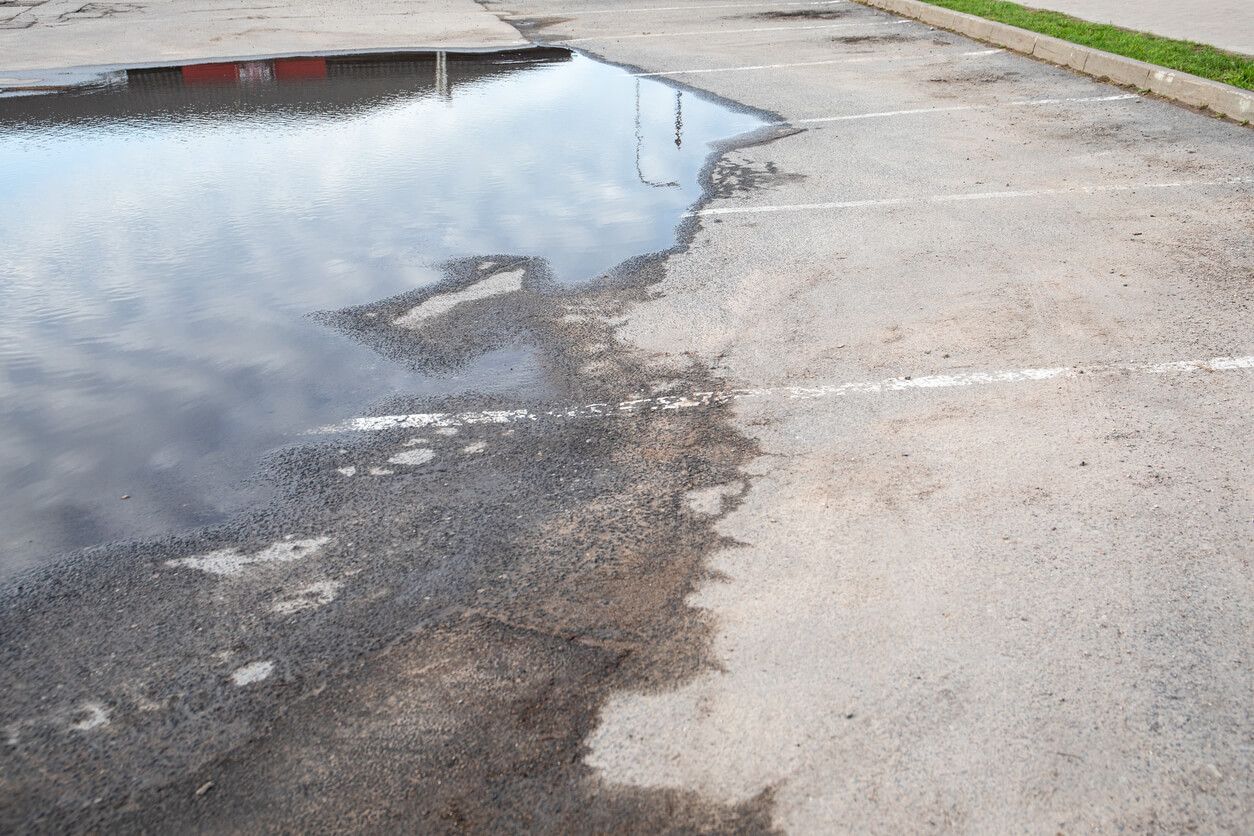
Learn why parking lot drainage problems happen, how water buildup affects asphalt, and which warning signs may point to larger site issues.
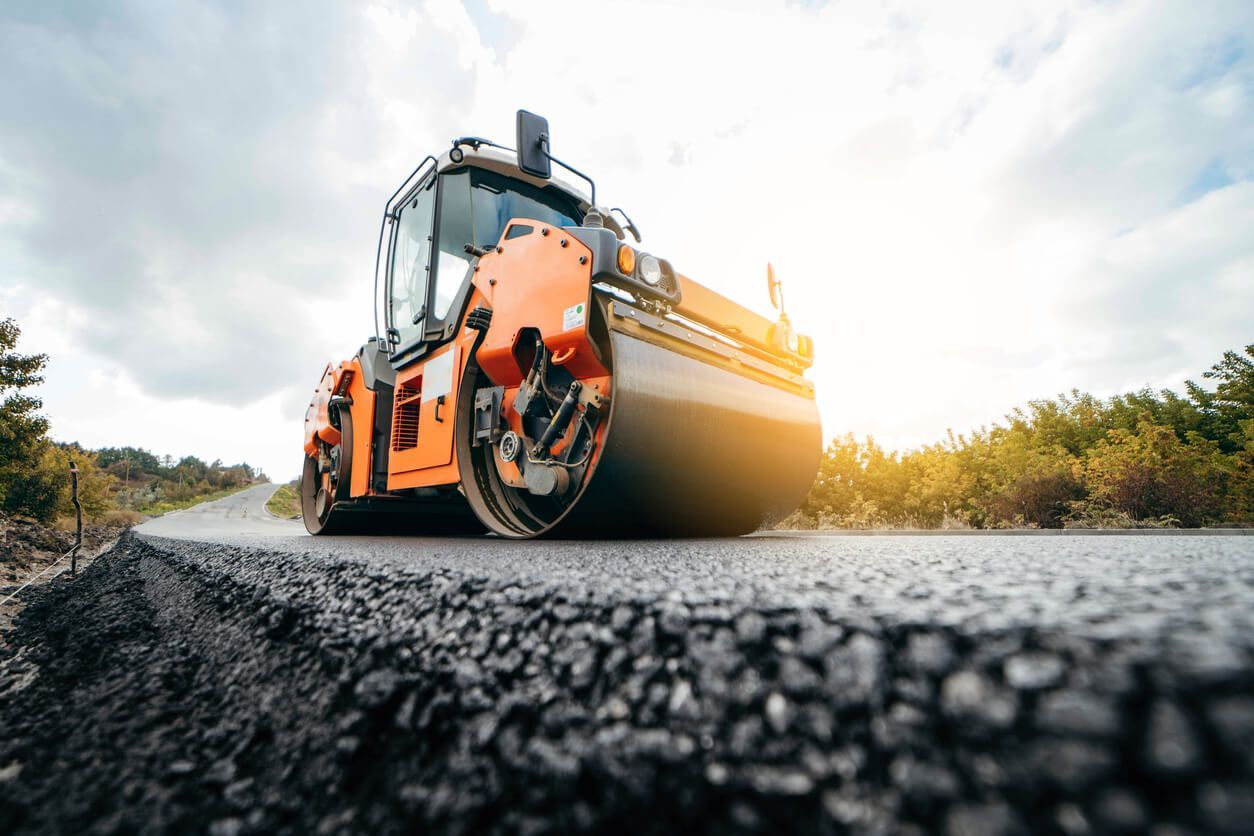
Wondering about asphalt vs blacktop? Learn their key differences and why the right choice depends on how the pavement will be used.

Learn what alligator cracking asphalt is and why it signals structural failure. Discover the common causes for pavement fatigue in San Antonio and South Texas.
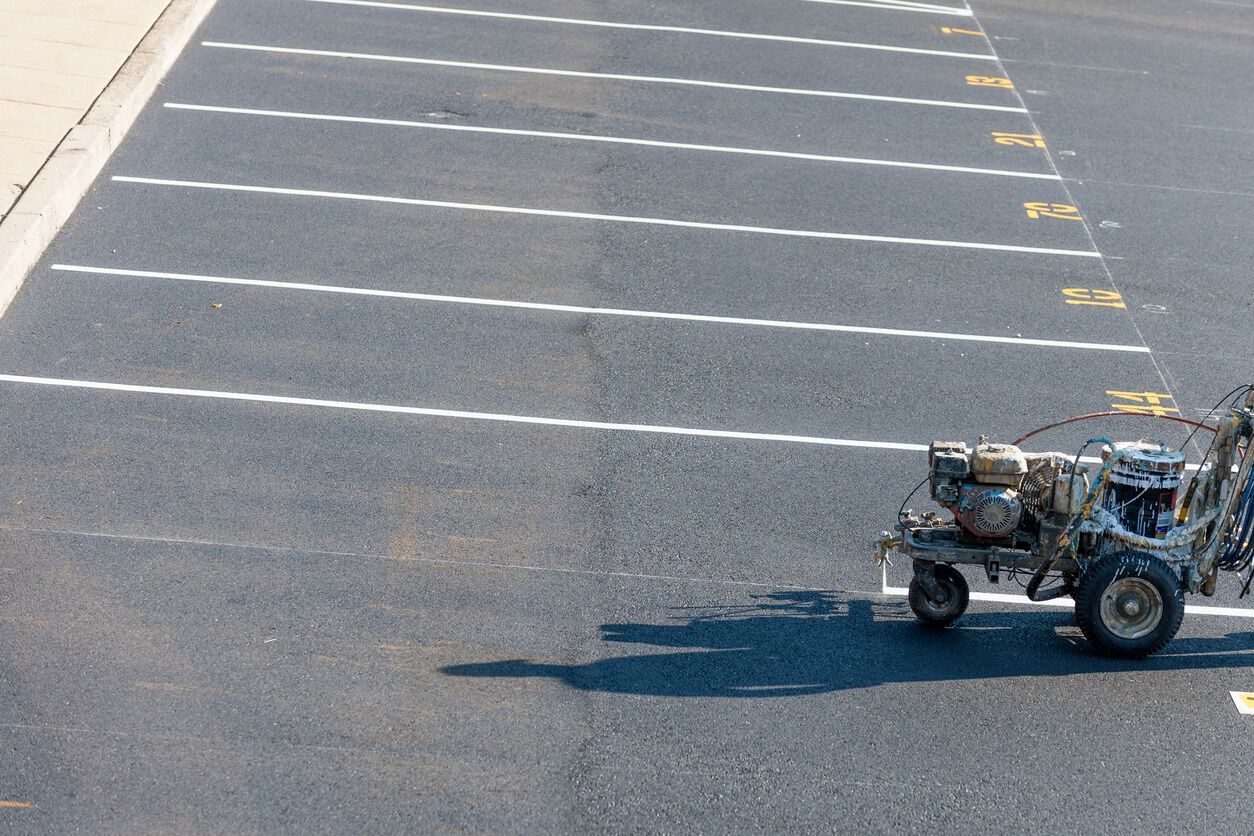
ADA parking striping requirements explained. Learn compliance rules, layouts, fire lanes, and how to keep your lot safe and inspection ready.
Asphalt sealcoating protects pavement from UV, water, and wear extend surface life, reduce repairs, and keep your property looking clean and professional.
Wondering what an asphalt driveway costs in Texas? Learn the real price ranges for overlays, full replacements, and repairs — plus what affects your final quote. Free estimates available in San Antonio.
Comparing concrete vs asphalt parking lots? See how each material stacks up in cost, lifespan, maintenance, and Texas heat performance. Get expert guidance from Pro-Line Paving in San Antonio.
Is your parking lot cracked, rutting, or draining poorly?
Learn the signs that milling and overlay can fix it —
without a costly full replacement. Pro-Line Paving explains.