

210-530-0062
7 Preventative Asphalt Maintenance Tips to Extend Pavement Life
Sino Baduza • March 16, 2026
Asphalt surfaces may look tough, but without regular care, they can quickly become costly, frustrating problems for property owners in San Antonio. Unmaintained pavement can develop spreading cracks and deep potholes that damage vehicles, trip pedestrians, and allow water to destroy the base. Over time, those issues hurt curb appeal, create safety and liability concerns, and shorten the overall life of your asphalt investment.
With the right preventative maintenance plan, you can dramatically slow that damage and keep your pavement looking sharp and performing safely. Regular crack sealing, seal coating, timely repairs, and clear striping all work together to extend pavement life. In this guide, we will cover tips, how long asphalt paving generally lasts, and whether you can maintain a driveway alone or hire asphalt maintenance services.
1. Seal Cracks as Soon as They Appear
Seal cracks as soon as they appear to stop water from getting into the pavement structure below. Early crack repair keeps minor flaws from spreading into large, interconnected fractures. By blocking water and preventing movement, you protect the base layer and significantly extend the life of your asphalt.
2. Schedule Periodic Seal Coating
Schedule periodic seal coating in San Antonio to shield your asphalt from the sun, water, and everyday traffic wear. This surface treatment acts like sunscreen and a protective barrier, slowing oxidation and surface drying. With a routine schedule, usually every few years, you maintain flexibility in the pavement and delay expensive resurfacing work.
3. Keep the Surface Clean and Clear
Keep your pavement clean by regularly sweeping away dirt, gravel, and trash that can grind into the surface. Loose material acts like sandpaper under turning tires, slowly wearing away the protective top layer. Routine cleaning also exposes small problems early, so you can address cracks or stains before they spread.
4. Prevent and Correct Standing Water
Watch for standing water on your asphalt, especially after rain, as ponding can quickly weaken the surface and base. Without proper surface drainage, water can seep through tiny openings, wash out support, and cause depressions or potholes. By fixing low spots, cleaning drains, or improving grading, you keep water moving away and protect your investment.
5. Remove Oil and Chemical Spills Quickly
Clean up oil, fuel, and chemical spills quickly because they soften asphalt and break down the binder that holds it together. Left alone, these spots become weak, rutted areas that crack under even normal vehicle traffic. Promptly absorbing liquids and treating stains prevents more serious damage and preserves a consistent, strong surface across the entire pavement.
6. Manage Heavy Loads and Tight Turning Areas
Control heavy loads and parking habits, because concentrated weight and tight turning can quickly deform and crack asphalt. Delivery trucks, dumpsters, and buses often overload small areas, creating ruts and early structural failure. Designating reinforced loading zones, rotating parking patterns, and limiting unnecessary truck traffic helps distribute stress and extend the lifespan of the existing asphalt.
7. Protect Pavement Edges and Surrounding Areas
Pay close attention to pavement edges, because unsupported sides and eroded shoulders are common starting points for cracks and breakage. Install proper curbing, maintain stable gravel shoulders, and prevent vehicles from driving off the edge whenever possible. By performing these asphalt preventive maintenance tasks, you prevent small edge failures from progressing inward and damaging the main pavement surface.
How Long Does Asphalt Generally Last?
Typical commercial or residential asphalt in San Antonio can last for two to three decades under favorable conditions. Lifespan depends on design for specific use, like light driveway traffic versus busy commercial lots. The quality of base preparation, asphalt mix selection, and construction practices all play major roles in how long it truly lasts.
Over time, asphalt passes through stages, from fresh and flexible to aged and structurally tired. In earlier years, surface refreshing or thin overlays usually restore appearance and performance without major reconstruction. As the pavement nears the end of its cycle, a full-depth replacement becomes practical, so understanding lifespan helps owners plan budgets and project timing.
Can You Maintain an Asphalt Driveway by Yourself?
Yes, you can maintain an asphalt driveway yourself with simple tasks like regular sweeping and cleaning off oil or chemical spills. You can also handle basic crack filling or apply a homeowner-grade seal coat. However, an asphalt contractor in San Antonio brings deeper expertise to deliver smoother finishes, stronger protection, and longer-lasting driveway performance.
Here are several benefits you gain from hiring a skilled asphalt repair and maintenance contractor in San Antonio:
- Higher-Quality Materials and Equipment. Contractors typically use commercial-grade asphalt mixes, crack sealants, and seal coat products that outperform most retail options available to homeowners. They also operate specialized equipment that applies materials evenly and to the correct thickness, producing a more durable, professional-looking surface.
- Long-Term Cost Efficiency. Although professional service costs more upfront than DIY supplies, it often delays large repairs or replacement by several additional years. By addressing structural issues correctly the first time, an experienced contractor helps you avoid repeating the same repairs and wasting money.
- Compliance and Safety Confidence. Professional contractors understand local codes, drainage requirements, and safety standards, reducing the risk of violations or liability issues on your property. They design markings, slopes, and transitions with accessibility and vehicle safety in mind, helping protect both drivers and pedestrians.
- Time Savings and Convenience. Hiring a contractor frees you from sourcing materials, renting equipment, and spending weekends learning unfamiliar application techniques. The crew handles preparation, application, and cleanup efficiently, minimizing disruption to your daily routine and driveway access.
- Accurate Evaluation and Tailored Solutions. An experienced contractor carefully evaluates your driveway’s age, traffic patterns, and underlying base before recommending any maintenance approach. This professional assessment helps avoid quick fixes that mask deeper problems and instead focuses on solutions that genuinely extend pavement life.
- Consistent, Professional Results. Experienced San Antonio asphalt contractors work with pavement every day, so they deliver uniform textures, clean edges, and neat transitions around curbs or sidewalks. That consistent workmanship not only looks better, but also reduces weak spots where early cracking, raveling, or water intrusion might otherwise begin.
Understanding the Difference Between Preventative and Corrective Maintenance
Understanding the differences between preventative and corrective maintenance can help you make smarter decisions about your asphalt surfaces. Both approaches are important, but they serve very different purposes. By learning when to use each one, you can protect your pavement, control costs, and avoid unnecessary headaches.
Below are the different ways to differentiate corrective and preventative maintenance efforts:
Timing of Work
Preventative maintenance happens on a planned schedule before major pavement problems appear or affect everyday use. Corrective maintenance occurs after visible damage develops, such as potholes, deep cracks, or significant surface failures. By acting earlier, preventative work reduces how often you need urgent, disruptive corrective repairs later.
Primary Goal
The main goal of preventative maintenance is to preserve existing pavement strength and slow natural aging from traffic and weather. Corrective maintenance focuses on restoring safety and function once damage has already compromised ride quality or created hazards. Together, they support a complete strategy, but preventative steps usually keep your pavement in better overall condition for longer.
Cost and Budget Impact
Preventative maintenance items like seal coating and crack sealing usually cost less per square foot than major structural repairs. Corrective maintenance often requires heavier equipment, more materials, and deeper work, so invoices rise quickly when damage is widespread. Investing steadily in preventative care helps smooth your long-term budget and delays the need for expensive reconstruction projects.
Scope and Type of Work
Preventative maintenance focuses on surface-level treatments, such as seal coats, minor crack filling, and fresh striping or signage adjustments. Corrective maintenance often involves patching, milling, base repair, or overlays to address deeper issues and restore structural integrity. Because the work types differ, choosing correctly ensures you are not over-repairing or under-treating your asphalt surface.
Impact on Operations and Disruption
Preventative maintenance can often be scheduled during off-hours or phased work, reducing disruption to customers, residents, or employees. Corrective maintenance, especially after serious failures, may require larger closures, traffic rerouting, and longer downtime for affected areas. By keeping up with preventative tasks, you gain more control over timing and reduce emergency shutdowns of drive lanes or parking lots.
Looking for Dependable Asphalt Pavement Maintenance Services? Contact Pro-Line Paving
When you want professional asphalt maintenance that truly lasts in San Antonio, trust Pro-Line Paving. Our team brings over 30 years of experience, modern equipment, and premium materials to every parking lot, drive lane, or private roadway. We will thoroughly inspect your surfaces, explain practical options, and handle everything from routine maintenance to targeted asphalt repairs and fresh striping.
Call our team today to schedule your asphalt maintenance inspection and get a detailed, honest estimate.
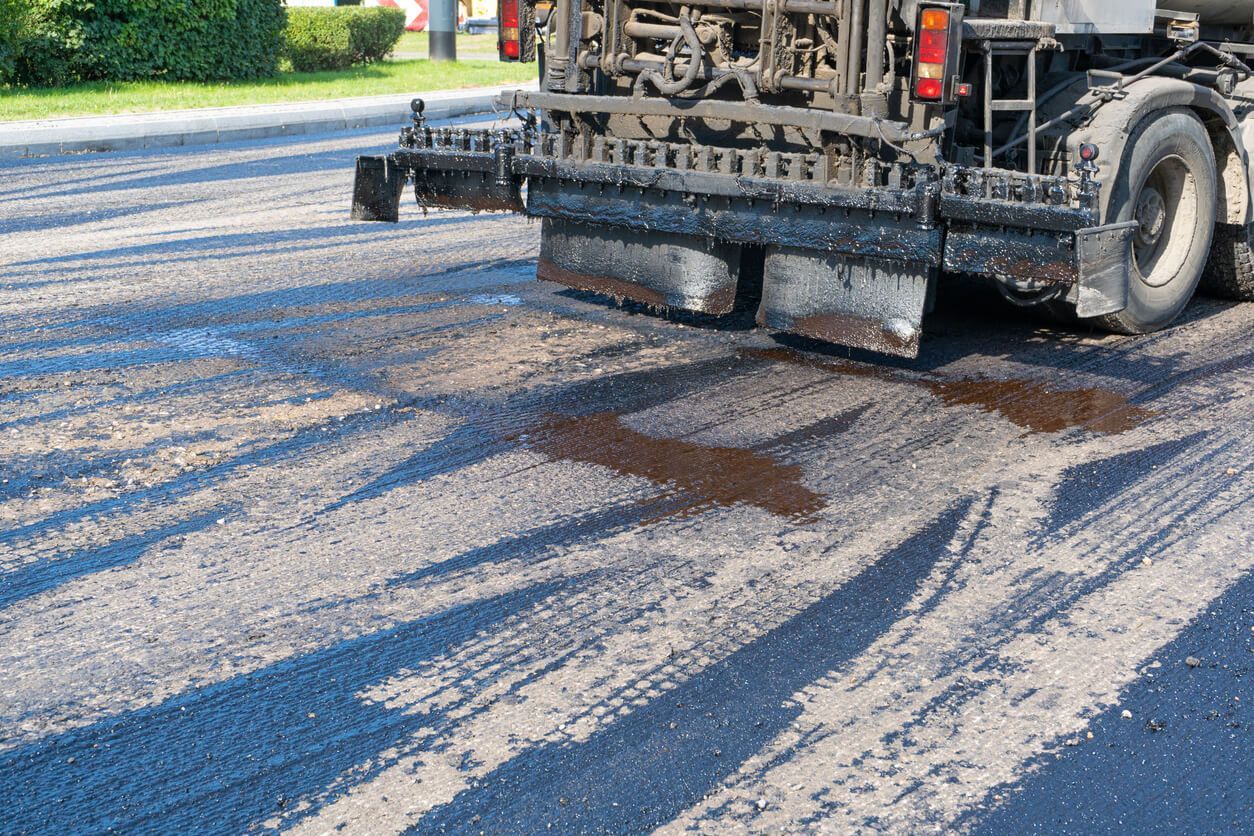
Commercial asphalt sealcoating works best when timing, weather, and pavement conditions align. See when to sealcoat for longer lasting protection.
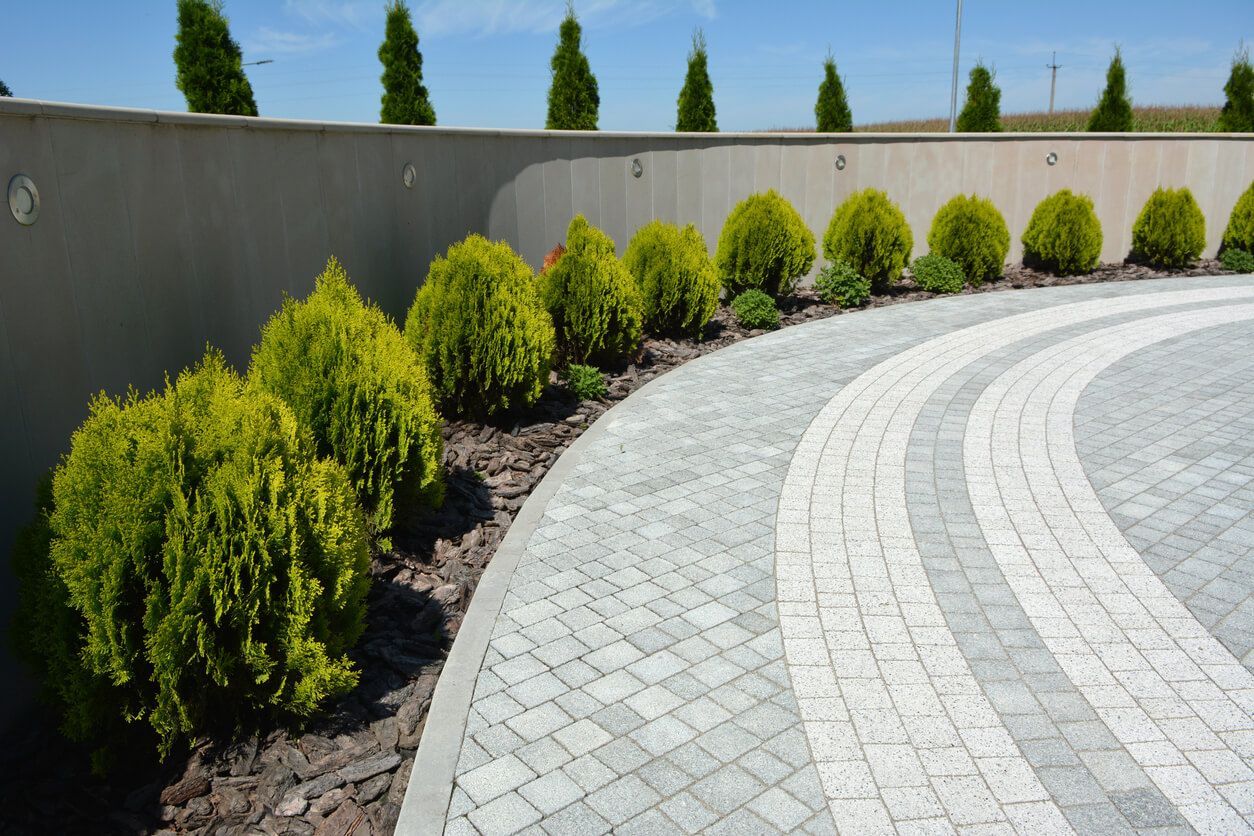
Commercial driveway paving improves durability and curb appeal for your business. Learn about costs, materials, and maintenance for long lasting results.
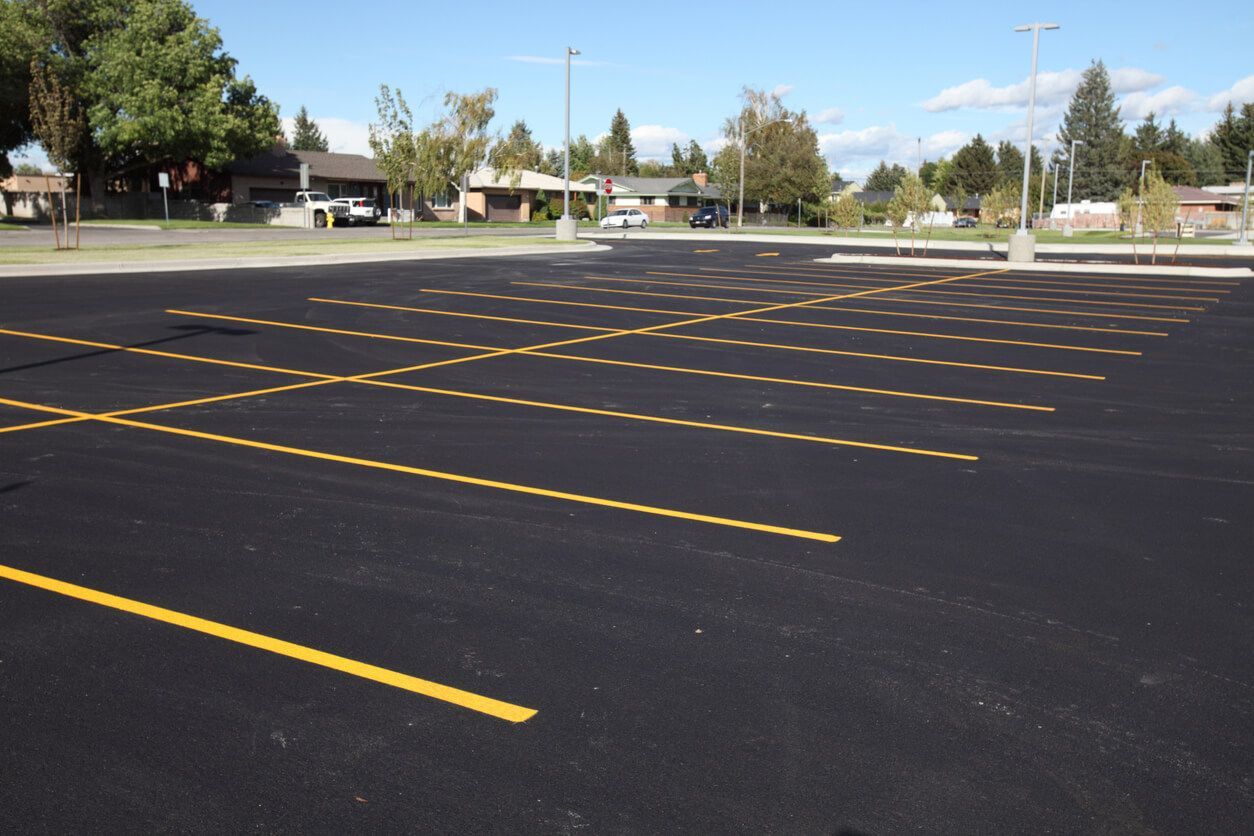
Spot the top signs your business parking lot needs professional paving, from cracks and potholes to drainage issues that impact safety and curb appeal.
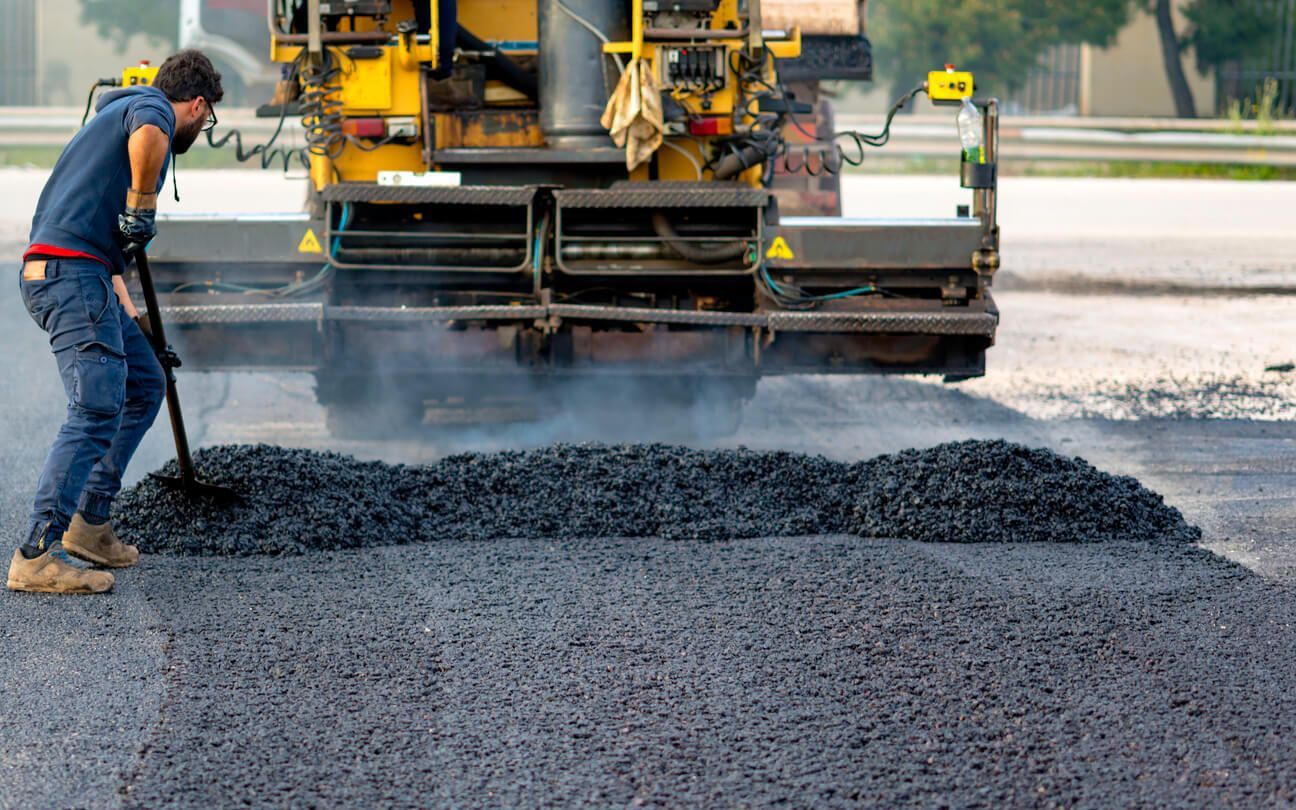
Learn why businesses choose asphalt resurfacing over full replacement for lower costs, faster turnaround, and long-lasting results with minimal disruption.
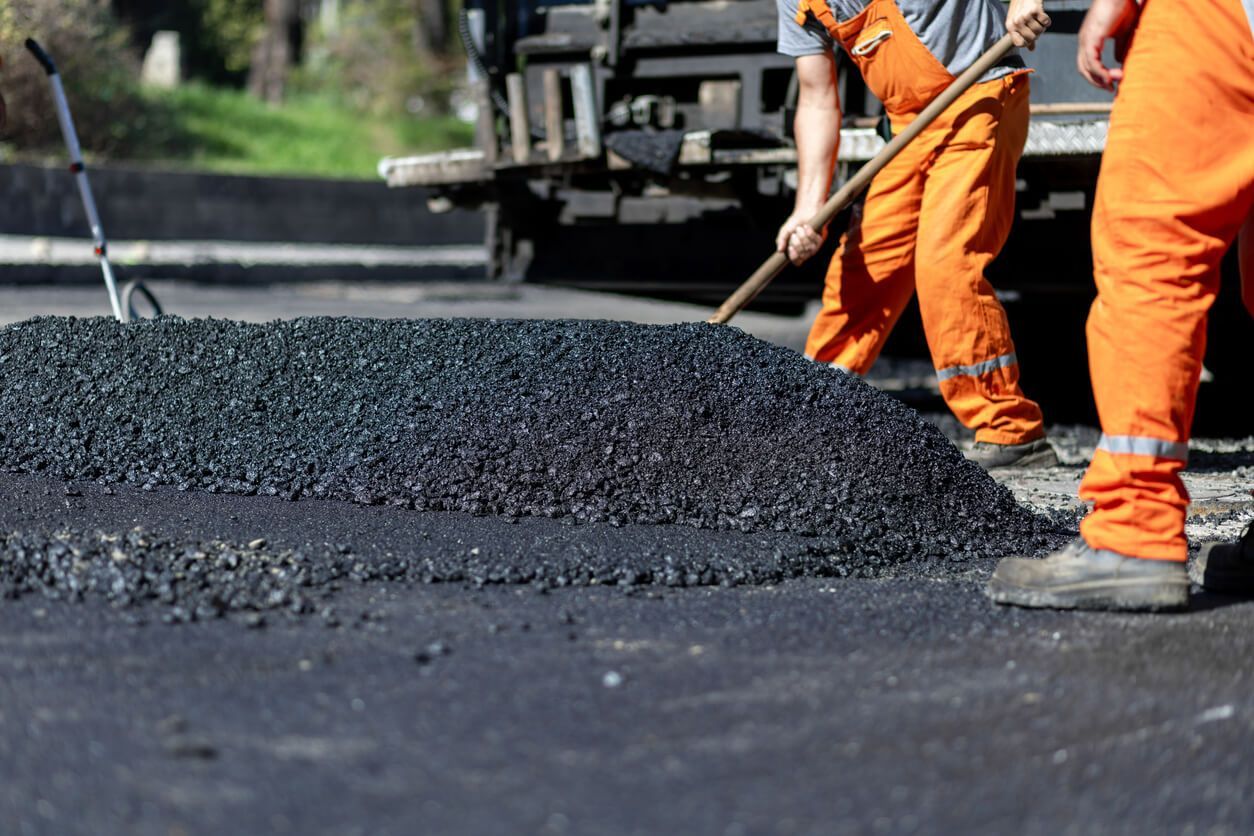
Discover where commercial asphalt paving services are most needed, from parking lots to industrial sites, and why proper paving matters for safety and durability.

Boost your home's curb appeal with easy, effective tips. Simple upgrades can make your property more attractive and welcoming instantly.
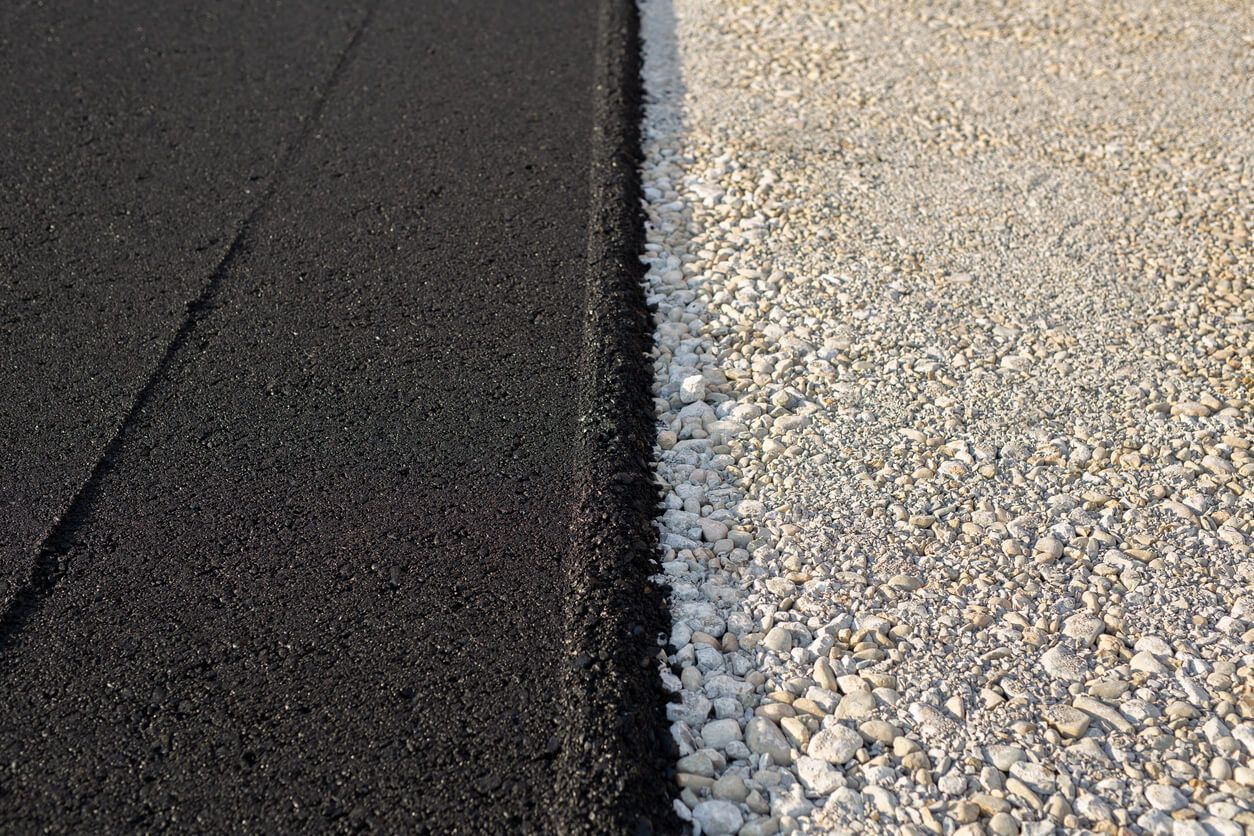
Gravel vs. asphalt: Compare costs, durability, and maintenance to choose the best surface for your driveway or project. Get expert insights today!
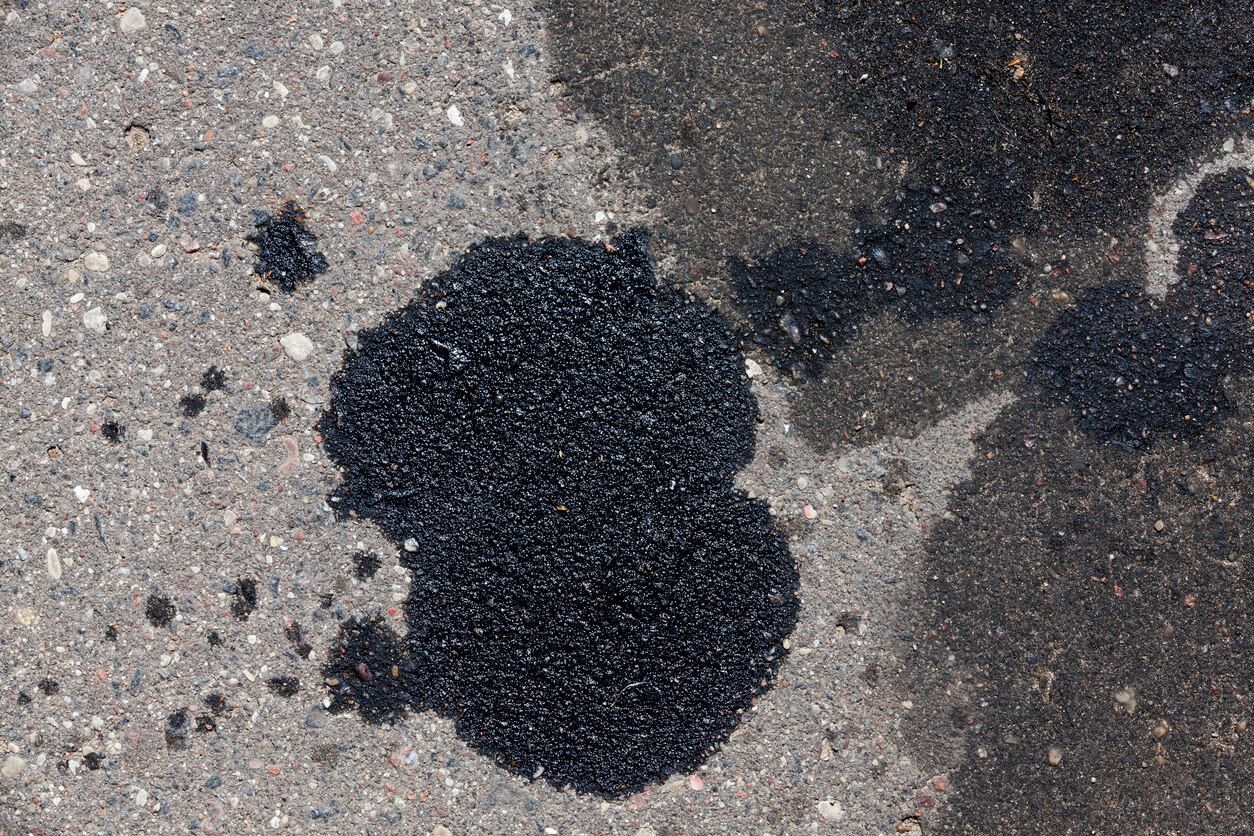
Learn how to remove oil stains from asphalt using proven DIY and professional methods. Restore your driveway’s look with simple, effective steps.
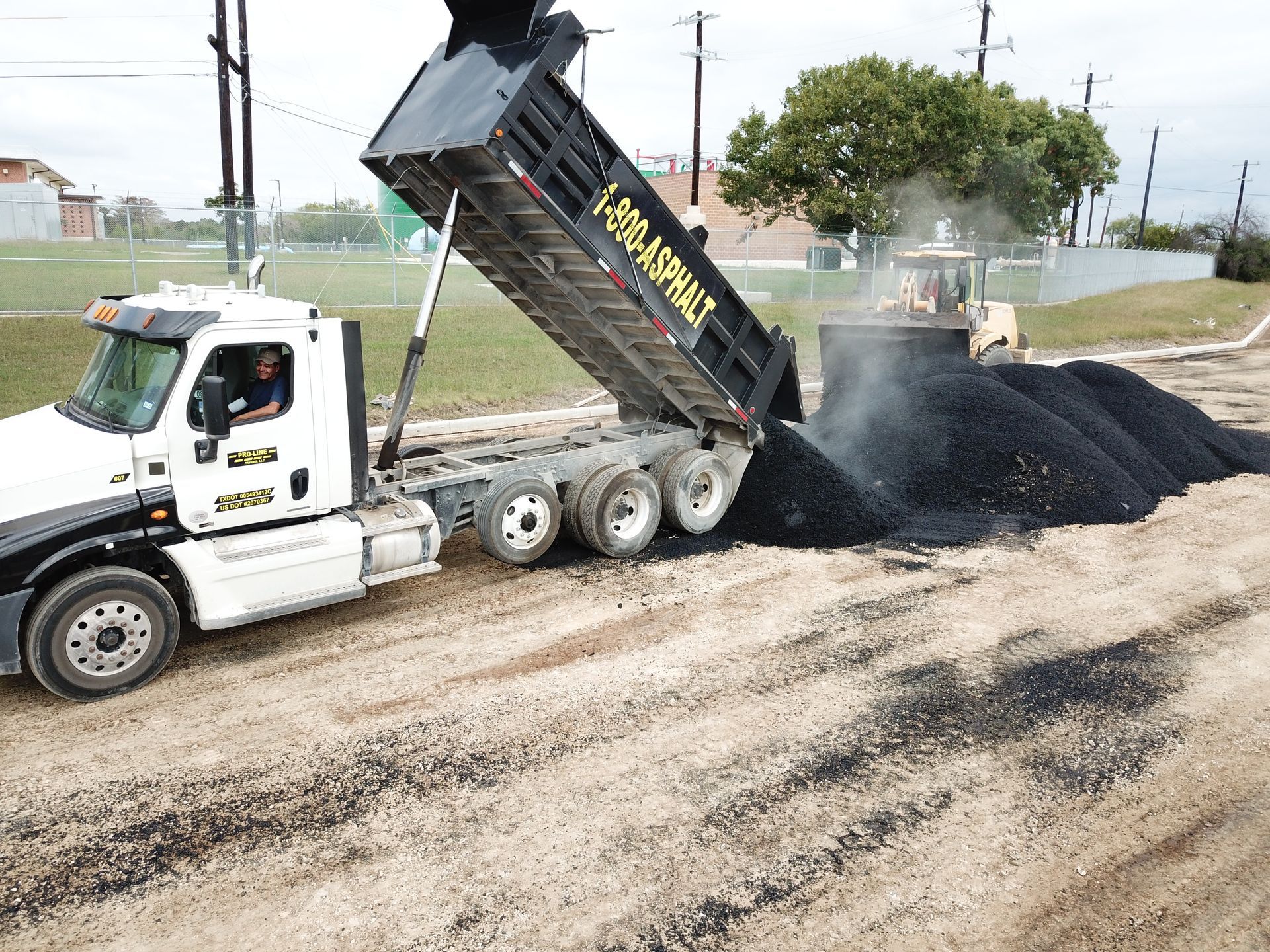
Learn how asphalt is made with Pro-Line Paving. Discover the materials, production process, and what makes quality asphalt durable for roads and driveways.
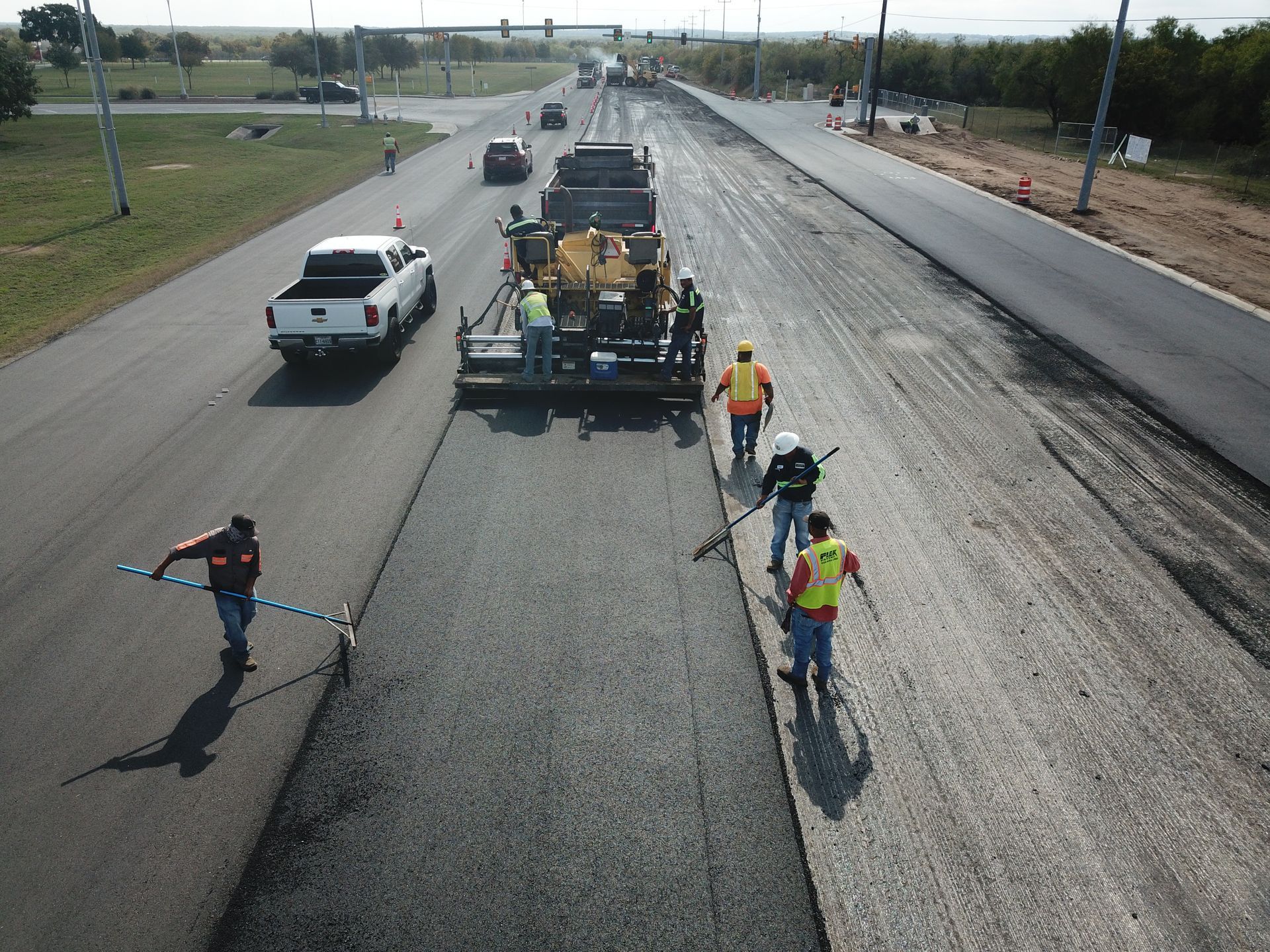
Compare asphalt vs. chip seal with Pro-Line Paving. Learn the differences in cost, durability, and maintenance to choose the best paving option for your property.